
WhatsApp

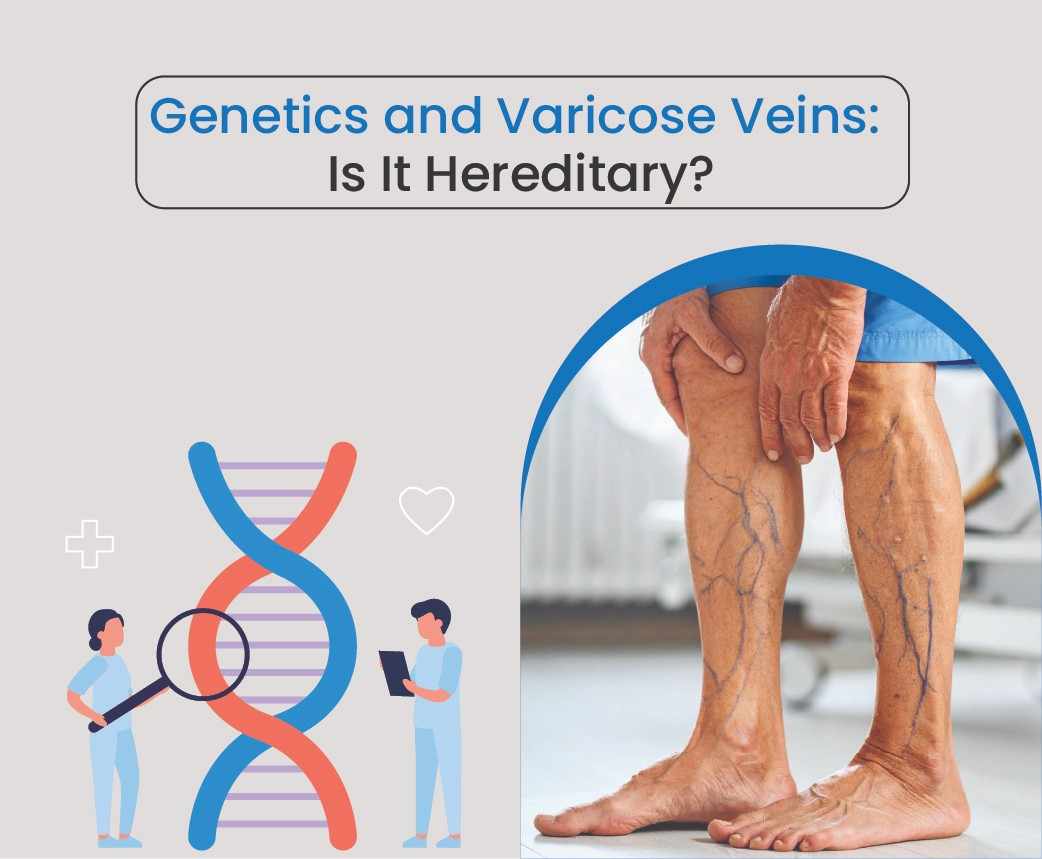
Genetics and Varicose Veins: Is It Hereditary?

If one or both of your parents had varicose veins, you might wonder whether you’re destined to develop them too. Genetics often influence eye colour, height, or hair texture—but what about vein health? The truth is that heredity plays a significant role in varicose veins, but it’s not the whole story. Let’s explore how family history increases your risk, and what you can do to stay one step ahead.

The Genetic Link Explained

Varicose veins occur when the tiny valves inside veins weaken, allowing blood to flow backward and pool in the legs. This increases pressure, stretching the vein walls and causing them to bulge.

Research shows that genetics are one of the strongest risk factors. If one parent has varicose veins, your risk rises by about 40%. If both parents are affected, that risk can climb as high as 70–80%. The inherited tendency usually involves weaker vein walls or defective valves that make you more vulnerable over time.

Risks and Misconceptions

A common misconception is that if varicose veins “run in the family,” they are inevitable. While genetics increase susceptibility, lifestyle and environmental factors play a huge role. Long hours of sitting or standing, obesity, pregnancy, and lack of exercise can all trigger or worsen varicose veins—even in people without a family history.

Another myth is that only older adults develop hereditary varicose veins. In reality, symptoms can appear as early as your 20s or 30s, especially if you combine genetic risk with poor lifestyle habits. Early warning signs include heaviness, swelling, and aching in the legs after long periods of activity.

Preventive Steps if You Have a Family History

If varicose veins run in your family, proactive care can delay or even prevent their onset. Here are some practical measures:

  • Stay active: Walking, cycling, and swimming strengthen calf muscles that support healthy blood flow.
  • Maintain a healthy weight: Excess weight puts extra pressure on your veins.
  • Avoid prolonged immobility: Take breaks from sitting or standing every 30–60 minutes.
  • Elevate your legs whenever possible to encourage circulation.
  • Use compression stockings if recommended by a vascular specialist.

Adopting these habits can significantly reduce the burden on your veins, even if you are genetically predisposed.

When to See a Specialist

If you notice visible veins, persistent leg pain, or swelling that doesn’t go away, it’s time to see a vascular surgeon. A duplex ultrasound scan can confirm whether faulty valves are the cause. Today, hereditary varicose veins can be treated effectively with minimally invasive procedures such as endovenous laser treatment (EVLT), radiofrequency ablation (RFA), or foam sclerotherapy. These options target the damaged veins directly, offering quick recovery and long-term relief.

Conclusion

So, is varicose veins hereditary? Yes—genetics increase your risk significantly, but lifestyle factors determine whether and how quickly they develop. The good news is that with preventive care and timely medical treatment, you can manage hereditary risk and protect your vein health.

At Avis Vascular Centre, our team, led by Dr. Rajah V. Koppala, specialises in personalised varicose vein treatments. Whether your condition is hereditary or lifestyle-driven, we provide advanced, minimally invasive solutions for safe and lasting relief. Book a consultation today and take control of your leg health.
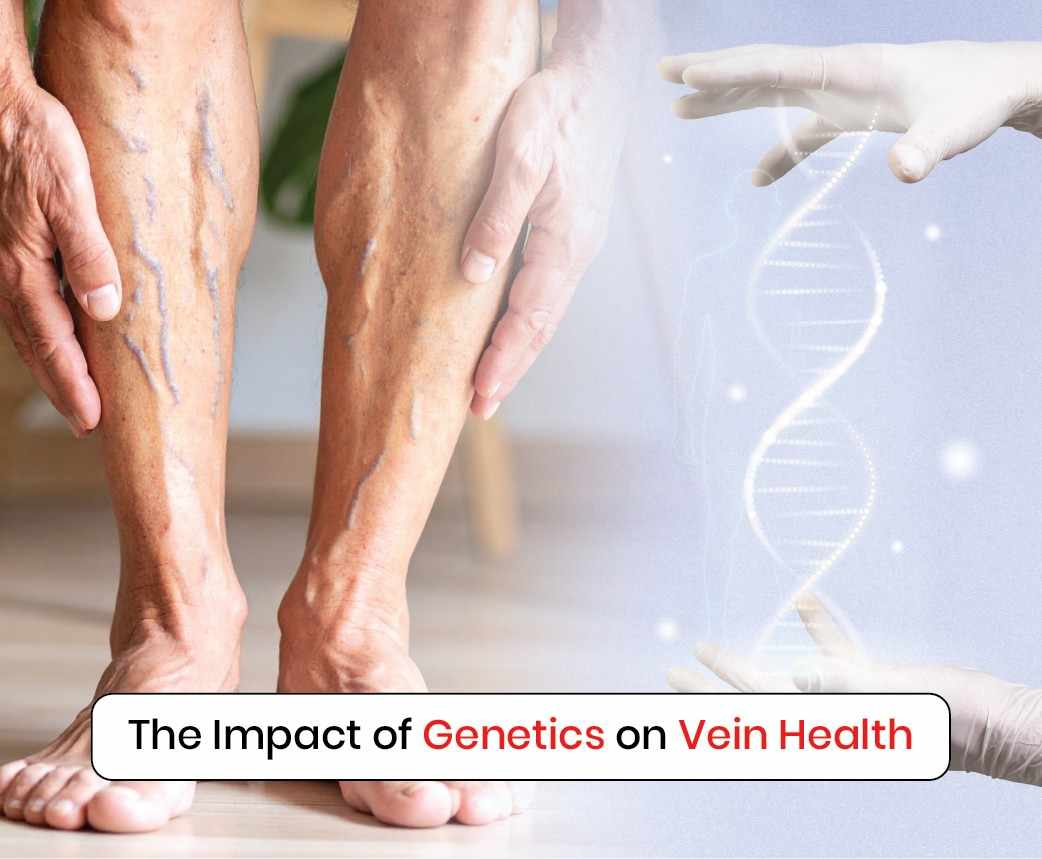
The Impact of Genetics on Vein Health

Vein health is a critical component of overall cardiovascular wellness, yet it’s often overlooked until problems arise. One significant factor influencing vein health is genetics. Understanding how hereditary factors contribute to vein conditions can help in managing and preventing issues like varicose veins and chronic venous insufficiency (CVI). This blog explores the hereditary aspects of vein health and highlights minimally invasive treatments like sclerotherapy, ClariVein® (mechanochemical ablation), and glue therapy as effective, non-surgical options.

Genetics and Vein Health

  1. Hereditary Risk Factors

Genetics play a crucial role in determining vein health. If you have a family history of vein conditions, you are more likely to develop similar issues. Studies suggest that up to 90% of individuals with varicose veins have a family member who also has them. Genetic factors can affect the strength and structure of vein walls and valves, making them more susceptible to malfunction.

  1. Gender and Hormones

Gender also intersects with genetic predispositions. Women are more prone to vein problems than men, partly due to hormonal influences. Hormones such as estrogen and progesterone, which fluctuate during pregnancy, menstrual cycles, and menopause, can weaken vein walls. This hereditary sensitivity to hormonal changes increases the risk for conditions like varicose veins.

  1. Lifestyle and Environment

While genetics play a significant role, lifestyle factors influenced by family habits also impact vein health. Sedentary lifestyles, prolonged standing or sitting, and obesity can exacerbate hereditary predispositions. Therefore, a combination of genetic and environmental factors often determines the extent of vein issues.

Minimally Invasive Treatment Options

Fortunately, advancements in medical technology have provided several minimally invasive treatment options that offer effective relief without the need for traditional surgery.

  1. Sclerotherapy

Sclerotherapy involves injecting a sclerosant solution directly into the affected veins, causing them to collapse and eventually be reabsorbed by the body. This treatment is highly effective for small to medium-sized varicose veins and spider veins. The procedure is quick, typically performed in an outpatient setting, and requires minimal downtime, making it an excellent option for those with busy lifestyles.

  1. Glue Therapy 

Medical Glue therapy, involves the injection of a medical adhesive into the vein. This adhesive seals the vein shut, rerouting blood flow to healthier veins. Glue therapy is particularly advantageous because it eliminates the need for multiple injections and compression stockings post-treatment. The procedure is quick, virtually painless, and allows for immediate return to daily activities.

  1. Cryo-Laser and Cryo-Sclerotherapy (CLaCS)

Cryo-Laser and Cryo-Sclerotherapy, known as CLaCS, is an innovative treatment combining laser therapy and sclerotherapy with the application of intense cold. During CLaCS, a laser targets and treats the veins, followed by sclerotherapy injections. The simultaneous use of a cooling device minimizes discomfort and enhances results. This approach is particularly effective for treating spider veins and small varicose veins, offering the benefits of both laser therapy and sclerotherapy with improved patient comfort and faster recovery

Benefits of Minimally Invasive Treatments

Reduced Recovery Time: Minimally invasive treatments require little to no downtime, allowing patients to resume their normal activities quickly.

Minimal Pain and Discomfort: These procedures are generally less painful than traditional surgery, with local anesthesia typically being sufficient.

Lower Risk of Complications: Non-surgical treatments carry fewer risks of complications such as infection and scarring.

Effective Outcomes: Many patients experience significant relief from symptoms and improved vein appearance after these treatments.

While hereditary factors play a significant role, lifestyle choices and minimally invasive treatments like sclerotherapy, and glue therapy offer effective solutions. These treatments provide excellent outcomes with minimal disruption to daily life, making them ideal choices for those seeking to manage vein health without surgery. If you have a family history of vein issues or are experiencing symptoms, consult a vein specialist to discuss the best treatment options for you.