WhatsApp

Full Patient Journey of Glue-Based Vein Treatment

For many people, varicose veins start as a cosmetic concern — visible, bulging veins on the legs. But over time, they can lead to symptoms such as heaviness, swelling, cramps, skin darkening, and even ulcers. Modern vascular medicine now offers a comfortable, minimally invasive solution: glue-based vein closure (such as VenaSeal®).

Here’s what a typical patient journey looks like, from first diagnosis to complete recovery.

Step 1: Initial Consultation and Evaluation

The journey begins with a visit to a vascular specialist. During this appointment, you’ll discuss your symptoms, medical history, and lifestyle. Your doctor will examine your legs to check for visible varicose veins, skin changes, and signs of advanced disease.

If glue-based treatment might be suitable, your specialist will explain how the procedure works, its benefits, and possible alternatives such as Endovenous Laser Ablation (EVLA) or Radiofrequency Ablation (RFA).

Step 2: Diagnostic Ultrasound Mapping

A duplex ultrasound scan is the gold standard for diagnosing varicose veins. It provides a detailed map of your vein structure, showing which veins are functioning poorly and where blood is pooling.

This step ensures your treatment plan is precise, targeting only the diseased veins and preserving healthy ones.

Step 3: Pre-Procedure Preparation

Once glue closure is chosen, your doctor will give you instructions to follow before the procedure. These may include:

  • Wearing loose, comfortable clothing
  • Staying well-hydrated
  • Avoiding certain medications if advised
  • Arranging for a short rest period after the procedure if needed

Unlike some vein treatments, there’s usually no need for fasting or general anaesthesia.

Step 4: The Glue-Based Procedure

On the day of treatment, you’ll be positioned comfortably, and your leg will be cleaned and prepared under sterile conditions.

Here’s how it unfolds:

  1. A small numbing injection is given at the catheter entry point.
  2. Using ultrasound guidance, a thin catheter is inserted into the affected vein.
  3. The medical adhesive is delivered in precise amounts, sealing the vein section by section.
  4. Once the vein is closed, the catheter is removed, and a small dressing is applied.

The entire process usually takes 20–30 minutes per vein and is virtually painless for most patients.

Step 5: Immediate Post-Treatment Phase

You can stand up and walk right after the procedure. There’s usually no need for compression stockings and no major activity restrictions — meaning you can return to work or household tasks the same day.

Mild tightness or tenderness in the treated area is normal and generally resolves within a few days.

Step 6: Recovery and Follow-Up

Over the next few weeks, your treated vein will gradually shrink and fade. Most patients notice a reduction in symptoms such as heaviness, swelling, and discomfort within days.

Your doctor will schedule a follow-up ultrasound to confirm that the treated vein is fully closed and to check the overall health of your leg veins.

Step 7: Long-Term Results

Glue-based vein closure has a success rate of over 90–95%, with durable results and minimal recurrence when combined with healthy lifestyle habits. Regular walking, maintaining a healthy weight, and avoiding prolonged standing or sitting will help protect your vein health.

The Takeaway

From diagnosis to recovery, glue-based treatment offers a smooth, patient-friendly journey. With no heat, minimal injections, and an almost immediate return to daily life, it’s redefining how varicose veins are treated in India. At Avis Vascular Centre, each step of your journey is guided by experienced specialists using the latest technology — ensuring safe, effective, and lasting results.
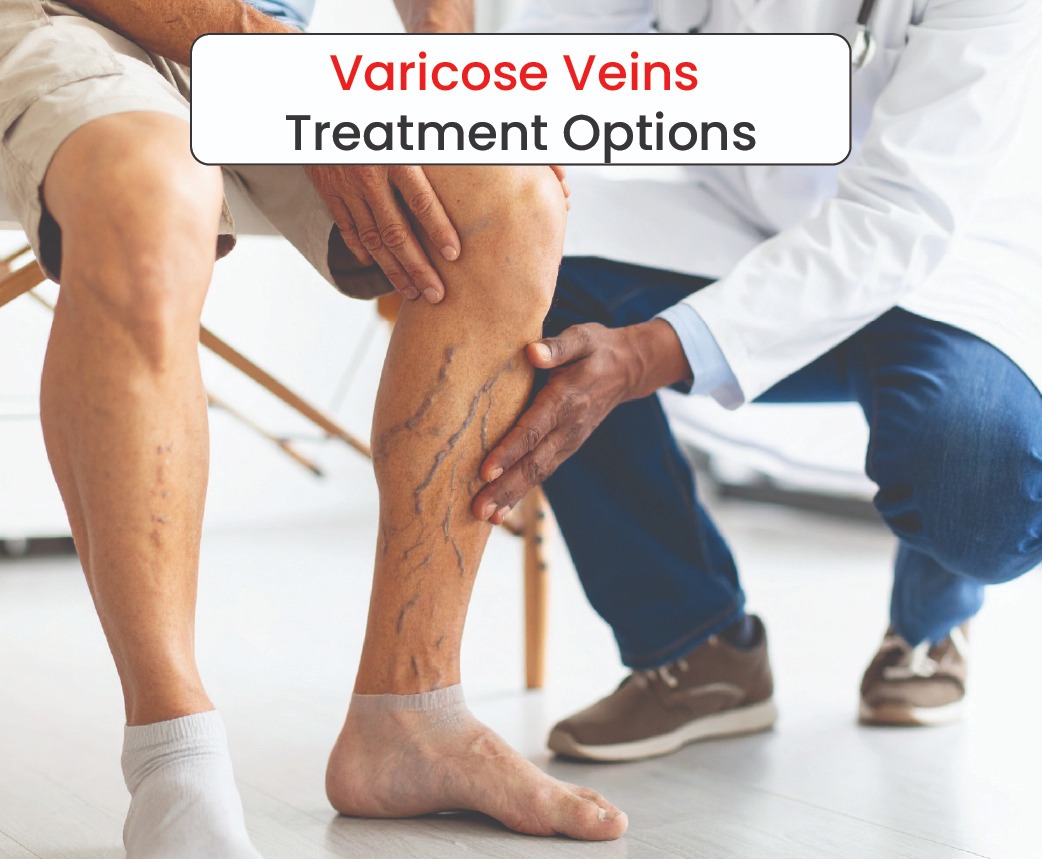
Varicose vein treatment options

Varicose veins are a common vascular issue affecting millions worldwide. These swollen, twisted veins are often more than just a cosmetic concern—they can cause discomfort, pain, and severe health complications if left untreated. Thankfully, advancements in medical science have made varicose veins treatment more effective and accessible than ever before.

What Are Varicose Veins?

Varicose veins occur when the valves in the veins fail to function properly, leading to blood pooling and vein enlargement. Common symptoms include aching legs, swelling, and visible blue or purple veins. Factors such as genetics, obesity, and prolonged standing increase the likelihood of developing varicose veins. While they may seem harmless initially, untreated varicose veins can result in complications such as ulcers, bleeding, or even blood clots.

Treatment Options for Varicose Veins

Modern medicine offers several options for treating varicose veins, ranging from minimally invasive procedures to advanced surgical interventions. Common treatments include:

  • Laser Treatment: A non-invasive option that uses focused light to seal affected veins.
  • Sclerotherapy: This involves injecting a solution that collapses the damaged vein, causing it to fade over time.
  • Radiofrequency Ablation: A heat-based procedure that closes off varicose veins efficiently.

These procedures are widely available at specialized hospitals, which focus on treating varicose veins and related vascular conditions.

Avis Vascular Hospital: The Leading Choice in Hyderabad

For individuals seeking varicose veins treatment in Hyderabad, Avis Vascular Hospital is the top choice. With its advanced medical technology and experienced specialists, Avis offers comprehensive care for varicose veins and associated vascular conditions.

The hospital’s expertise in minimally invasive procedures, such as laser treatment and sclerotherapy, ensures effective results with minimal downtime. Patients at Avis benefit from personalized treatment plans, state-of-the-art equipment, and a focus on patient comfort. For those facing complications like deep vein thrombosis, Avis also provides exceptional care, making it the preferred hospital in Hyderabad.

Managing Related Conditions: Deep Vein Thrombosis

DVT is a serious condition often associated with varicose veins. It occurs when blood clots form in the deeper veins, leading to swelling, redness, and pain. Left untreated, DVT can lead to life-threatening complications such as pulmonary embolism.

Prompt treatment is crucial for managing this condition. Specialists at vascular hospitals use advanced diagnostic tools and treatment methods, including anticoagulant medications and clot removal procedures, to provide effective care. Combining DVT management with varicose vein treatment ensures holistic vascular health.

Why Early Treatment Matters

Early diagnosis and treatment of varicose veins can prevent complications and improve overall vascular health. Choosing a specialized hospital is essential for receiving the right care. Whether it’s laser treatment for varicose veins or advanced therapies for deep vein thrombosis, timely intervention can make all the difference.

Varicose veins are not just a cosmetic concern—they are a medical condition that requires expert care. From advanced varicose vein treatment to specialized treatments, comprehensive solutions are available to restore your vascular health. If you’re in Hyderabad, Avis Vascular Center is your trusted partner for effective and patient-centric care.

Take the first step toward healthier, pain-free legs by consulting a vascular specialist today. Don’t let varicose veins affect your quality of life—seek expert care and live with confidence.

Types of Venous Disorders

Veins are an integral part of the circulatory system as they carry deoxgenated blood from all different parts of the body back to the heart. Thus, vascular health is of prime importance for the overall wellbeing of an individual.

In this blog today, we will explain about the different medical disorders of the veins and associated health complications of the venous system.

  1. Spider Veins – These are the red, blue or purple-coloured tiny veins that are visible right below the skin surface of the legs, chest, face, etc in the shape of a spiderweb-like formation.

    Spider veins are usually painless and do not cause any swelling. Although these do not pose an immediate threat to life, spider veins must not be ignored as they are caused due to pooling of blood and indicate a blood circulation issue in the veins.

  2. Varicose Veins – Varicose veins are larger than spider veins. These are caused when the valves of the leg veins restrict the blood flow back to the heart and lead to swelling accompanied by pain and irritation in the affected area.

    Varicose veins are clearly visible to the naked eye. Varicose veins patients also often complain of a feeling of heaviness in the legs. If painless, varicose veins may not be treated immediately. But delay in treatment can worsen the symptoms and lead to other complications as detailed below.

  3. Venous Ulcers – Blood pooling leads to excessive additional pressure as a result of which the walls of the varicose veins stretch and cause the protein from the blood cells to reach the subcutaneous tissues. The subcutaneous tissues eventually break-down and lead to ulceration.

    Venous ulcers are open sores visible on the skin surface of the legs and feet. The skin around the ulcer usually turns hard and brown in colour. Patients may also complain of a tingling sensation. These are extremely slow to heal and must be treated on time.

  4. Blood Clots – Blood clots are clumps of blood that restrict the righteous blood flow. These can occur anywhere in the body such as arms, legs, lungs, abdomen, etc and either stay at one place (Thrombosis) or travel to other parts of the body (Embolism).

    In the presence of blood clots, the affected area feels warmer and the skin surface looks visibly red. There may be numbness along with swelling and pain. Some patients may even find it difficult to walk.

  5. Deep Vein Thrombosis – DVT refers to the medical condition where a blood clot develops in the deep veins. This is a life-threatening disorder as the blood clot can travel to other parts of the body and affect the heart, brain, and even the lungs.

    DVT is triggered due to chronic blood pooling in the leg veins. DVT patients may complain of unexplained pain in the ankle and feet accompanied by swelling. The affected area feels warmer and turns pale red in colour.

  6. Chronic Venous Insufficiency – When a vascular impairment such as varicose veins is left untreated for a long period of time, the condition becomes chronic and the symptoms become worse, thus leading to Chronic Venous Insufficiency (CVI).

    CVI is characterized by changes in the skin colour of the lower legs, constant itching on the legs, and swelling around the ankle. In this medical complication, the patients experience unusually high blood pressure levels in the legs.

If you have signs or symptoms of a venous disorder, do not worry as the best medical aid is available at Avis Vascular Centre, the leading medical institute for the painless and minimally invasive laser treatment of varicose veins.

Avis Vascular Centre is trusted by 12000+ happy patients who are completely satisfied with its healthcare services. All treatment procedures performed at Avis Vascular Centre are USFDA approved and performed in strict accordance with the protocols from the American College of Phlebology.

We always ensure that you have a pleasant medical experience at Avis Vascular Centre. For more details about our treatment procedures, medical check-up, diagnosis, treatment, Mediclaim assistance or outpatient registration, get in touch with Avis Vascular Centre today!

Rare Caudex Succulents Shop - Cereus Garden shop