
WhatsApp

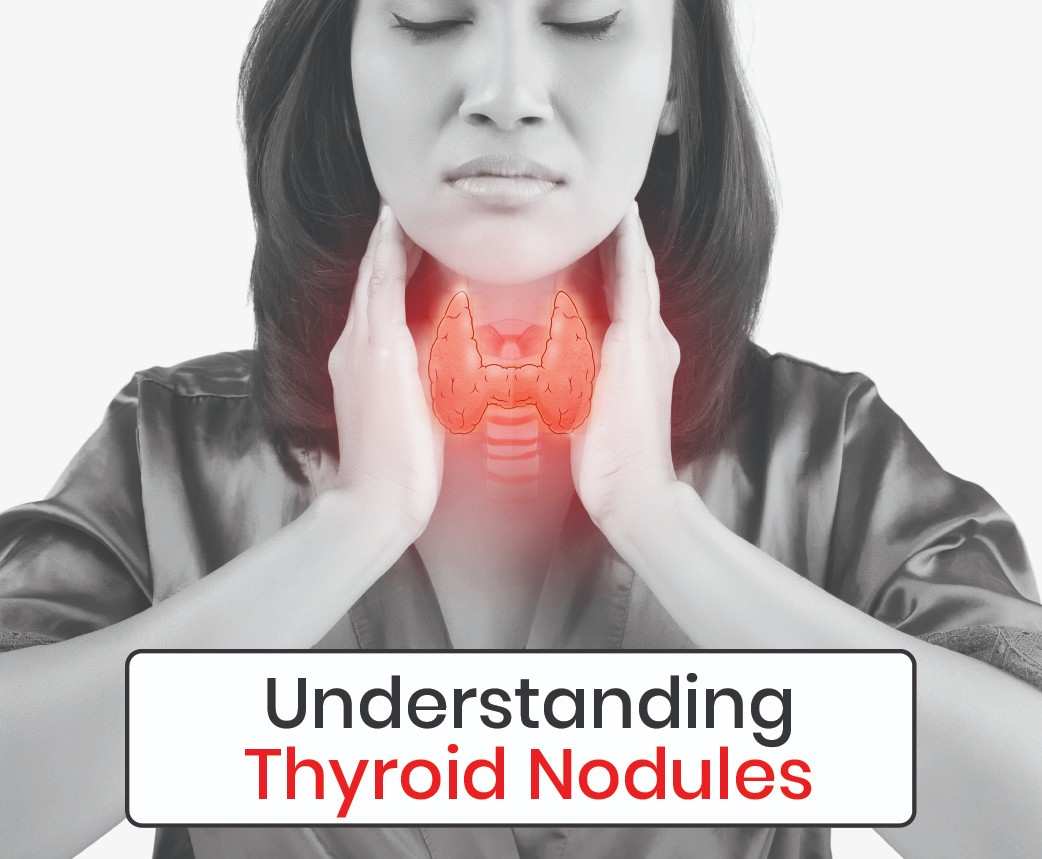
Understanding Thyroid Nodules

Thyroid nodules are lumps that commonly form within the thyroid gland, located at the base of the neck. While many thyroid nodules are benign and asymptomatic, their presence can sometimes lead to significant health concerns. Understanding the nature of these nodules, their potential consequences, and the benefits of treatment options like ablation is crucial for managing thyroid health effectively.

What are Thyroid Nodules?

Thyroid nodules are abnormal growths of thyroid cells that form lumps in the thyroid gland. These nodules can vary in size, ranging from tiny, barely detectable lumps to large masses that can be felt or seen as a swelling in the neck. They can be solid, filled with fluid, or a combination of both.

Causes and Risk Factors

Several factors can contribute to the development of thyroid nodules, including:

  1. Iodine Deficiency: A lack of iodine in the diet is a known risk factor.
  2. Genetic Predisposition: A family history of thyroid nodules or thyroid cancer increases the likelihood.
  3. Radiation Exposure: Previous exposure to radiation, particularly to the head and neck area, can increase risk.
  4. Age and Gender: Thyroid nodules are more common in women and older adults.

Symptoms and Potential Consequences

Many thyroid nodules are asymptomatic and are often discovered during routine physical exams or imaging studies conducted for other reasons. However, when symptoms do occur, they can include:

  1. Visible Swelling: A noticeable lump or swelling in the neck.
  2. Difficulty Swallowing or Breathing: Large nodules can press on the esophagus or windpipe.
  3. Voice Changes: Hoarseness or voice changes may occur if a nodule compresses the vocal cords.
  4. Hyperthyroidism or Hypothyroidism: Some nodules produce thyroid hormones, leading to hyperthyroidism, while others can cause hypothyroidism by interfering with normal thyroid function.

While most thyroid nodules are benign, a small percentage can be malignant. Thus, it is essential to evaluate and monitor any thyroid nodules to rule out thyroid cancer.

Diagnosis and Evaluation

To assess thyroid nodules, healthcare providers typically perform:

  1. Physical Examination: Checking for lumps and evaluating symptoms.
  2. Ultrasound: Imaging to determine the size, composition, and characteristics of the nodules.
  3. Fine-Needle Aspiration Biopsy: Collecting cells from the nodule to check for cancerous changes.
  4. Blood Tests: Evaluating thyroid function and hormone levels.

Ablation of Thyroid Nodules

Ablation therapy has emerged as an effective treatment option for managing certain types of thyroid nodules, particularly those that are benign but symptomatic or cosmetically concerning. There are different types of ablation techniques, including:

  1. Radiofrequency Ablation (RFA): Uses heat generated by radiofrequency energy to destroy the nodule tissue.
  2. Ethanol Ablation: Involves injecting ethanol directly into the nodule to induce shrinkage.
  3. Laser Ablation: Uses laser energy to heat and reduce the size of the nodule.

Benefits of Ablation

Ablation offers several advantages over traditional surgical approaches:

  1. Minimally Invasive: Ablation procedures are typically less invasive than surgery, resulting in smaller or no incisions.
  2. Reduced Recovery Time: Patients often experience quicker recovery times and fewer complications.
  3. Preservation of Thyroid Function: Unlike thyroidectomy (surgical removal of the thyroid), ablation preserves the thyroid gland, maintaining its hormone-producing function.
  4. Cosmetic Benefits: Ablation can reduce the size of visible nodules, improving cosmetic concerns without the need for a larger surgical scar.

Thyroid nodules are a common thyroid disorder that can lead to significant health issues if not appropriately managed. While many nodules are benign and asymptomatic, others can cause symptoms and require intervention. Ablation therapy offers a minimally invasive, effective treatment option, preserving thyroid function and improving patient outcomes. If you suspect you have a thyroid nodule, consult a healthcare provider for appropriate evaluation and management. With advancements in treatment options like ablation, patients can achieve better health and quality of life while addressing their thyroid concerns.

Ablation Therapy for Thyroid Nodules: Women’s Health

Thyroid nodules are a common occurrence, affecting millions of individuals worldwide, with women being disproportionately affected. These abnormal growths in the thyroid gland can cause a range of symptoms, from mild discomfort to significant health concerns. For many women, the impact of thyroid nodules extends beyond physical symptoms, affecting their confidence and overall well-being. However, there’s hope on the horizon in the form of ablation therapy, a minimally invasive treatment that offers effective relief and restores confidence.

Ablation therapy, also known as thermal ablation, utilizes heat to destroy thyroid nodules, shrinking them and alleviating associated symptoms. This procedure involves inserting a thin needle directly into the nodule under the guidance of ultrasound imaging. Once in position, heat is applied to the nodule, causing it to shrink and eventually disappear.

One remarkable success story is that of Jaya, a 42-year-old woman who had been living with thyroid nodules for several years. Despite medication and monitoring, her nodules continued to grow, causing discomfort and anxiety. Faced with the prospect of surgery, Jaya opted for ablation therapy at the recommendation of her healthcare provider.

The results were transformative. Following the ablation procedure, Jaya experienced a significant reduction in the size of her nodules and a resolution of her symptoms. Moreover, subsequent imaging studies confirmed that her thyroid nodules had disappeared completely. Jaya’s journey serves as a testament to the effectiveness of ablation therapy in treating thyroid nodules and restoring quality of life.

But why choose ablation therapy over surgery?

For many women like Jaya, the answer lies in the minimally invasive nature of ablation and its associated benefits. Unlike surgery, which involves significant risks, prolonged recovery times, and potential complications such as scarring or damage to surrounding tissues, ablation therapy offers a safer and more convenient alternative.

Moreover, ablation therapy preserves the function of the thyroid gland, minimizing the risk of hypothyroidism or other hormonal imbalances that can occur post-surgery. This is particularly important for women, as thyroid function plays a crucial role in regulating metabolism, energy levels, and overall health.

Beyond its physical benefits, ablation therapy can have a profound impact on a woman’s confidence and emotional well-being. Living with thyroid nodules can take a toll on self-esteem, leading to feelings of insecurity and body image concerns. By effectively treating nodules and restoring thyroid function, ablation therapy empowers women to reclaim their confidence and embrace life with renewed vitality.

In conclusion, ablation therapy offers a promising solution for women struggling with thyroid nodules, providing effective relief from symptoms and restoring confidence. Its minimally invasive nature, along with its ability to preserve thyroid function and improve overall well-being, makes it a compelling option for those seeking a safer, more convenient alternative to surgery. If you or someone you know is living with thyroid nodules, consider exploring the possibilities of ablation therapy and take the first step towards a brighter, healthier future.

Thyroid Nodules & Ablation: Why Treatment Matters

Thyroid nodules are common thyroid gland abnormalities that can present a variety of challenges, especially for women. While not all nodules require immediate treatment, understanding why treatment may be necessary, particularly for women, is crucial for managing thyroid health effectively. In this blog, we’ll explore the reasons why thyroid nodules should be treated, the potential problems they can pose for women, and the benefits of ablation as an alternative to surgery.

Thyroid nodules are abnormal growths or lumps that form within the thyroid gland, which is located in the neck and regulates metabolism through the production of thyroid hormones. While most nodules are benign, some can be cancerous or become problematic due to their size or location. Here are several reasons why thyroid nodules should be treated:

  1. Risk of Malignancy: Although the majority of thyroid nodules are benign, there is always a risk of malignancy, especially in certain demographic groups such as women. Thyroid cancer rates are higher in women compared to men, making early detection and treatment essential for optimal outcomes.
  2. Compression Symptoms: Large thyroid nodules or nodules located in specific areas of the thyroid gland can cause compression of nearby structures, leading to symptoms such as difficulty swallowing, breathing difficulties, or voice hoarseness. Treating these nodules can alleviate compression symptoms and improve overall quality of life.
  3. Thyroid Dysfunction: Thyroid nodules can disrupt the normal function of the thyroid gland, resulting in either an overproduction (hyperthyroidism) or underproduction (hypothyroidism) of thyroid hormones. These hormonal imbalances can lead to a wide range of symptoms, including weight changes, fatigue, mood disturbances, and menstrual irregularities in women.
  4. Cosmetic Concerns: Thyroid nodules that are visible or palpable in the neck area can cause cosmetic concerns for women, impacting self-esteem and body image. Treating these nodules can help restore confidence and improve psychological well-being.

Now, let’s discuss the benefits of ablation as a minimally invasive alternative to surgery for treating thyroid nodules, particularly in women:

  1. Non-Surgical Approach: Ablation techniques, such as radiofrequency ablation (RFA) or laser ablation, offer a non-surgical option for treating thyroid nodules. This minimally invasive approach involves using heat or energy to destroy the nodule tissue while preserving the surrounding healthy thyroid tissue.
  2. Reduced Risk and Complications: Compared to surgery, ablation procedures carry a lower risk of complications, such as damage to surrounding structures, bleeding, or infection. This makes ablation a safer option, especially for women who may have concerns about surgical risks.
  3. Quick Recovery: Ablation procedures typically require minimal downtime, allowing patients, including women, to resume their normal activities shortly after the procedure. This quick recovery is advantageous for individuals with busy lifestyles or caregiving responsibilities.
  4. Preservation of Thyroid Function: Unlike surgery, which may involve partial or total removal of the thyroid gland (thyroidectomy), ablation procedures target only the affected nodule while preserving the function of the remaining thyroid tissue. This helps maintain thyroid hormone production and minimizes the risk of thyroid dysfunction.

Thyroid nodules can present various challenges for women, ranging from potential malignancy to compression symptoms and hormonal imbalances. Therefore, timely treatment is essential to address these issues and prevent complications. 

Ablation offers a safe, effective, and minimally invasive alternative to surgery for treating thyroid nodules, providing women with a valuable option to manage their thyroid health and improve their quality of life. Call our experts at Avis Vascular Center if you are experiencing symptoms of thyroid nodules or have concerns about your thyroid health, and discuss if ablation is an appropriate treatment approach for you.

Understanding Thyroid Nodule Ablation

Thyroid nodule ablation is a minimally invasive treatment option for patients with thyroid nodules, offering a significant advancement over traditional surgical methods. This procedure is designed to target and reduce the size of nodules within the thyroid gland, which are common and usually benign growths. However, in some cases, they can cause symptoms or represent a cancer risk. Here, we delve into the intricacies of thyroid nodule ablation, its benefits, potential negatives, and reasons for its recommendation by healthcare providers over surgery.

The Procedure

Thyroid nodule ablation is typically performed using ultrasound-guided techniques, with the most common methods being radiofrequency ablation (RFA) and ethanol ablation (EA). RFA uses high-frequency electrical currents to produce heat, while EA involves the injection of ethanol directly into the nodule to induce necrosis or cell death.

The procedure is usually done on an outpatient basis, requiring only local anesthesia. It involves inserting a thin, needle-like device into the nodule under ultrasound guidance. This precision allows for targeted treatment of the nodule while minimizing damage to surrounding thyroid tissue.

Benefits of Thyroid Nodule Ablation

  • Minimally Invasive: Compared to traditional surgery, ablation is less invasive, involving smaller incisions or needle punctures, which leads to reduced recovery times and less post-procedure discomfort.
  • Preservation of Thyroid Function: By targeting only the problematic nodule, the procedure preserves the surrounding thyroid tissue, maintaining the gland’s function and reducing the likelihood of needing lifelong thyroid hormone replacement therapy.
  • Reduced Risk of Complications: Ablation carries a lower risk of complications compared to surgery, especially regarding damage to the recurrent laryngeal nerve, which can affect voice quality, or the parathyroid glands, which regulate calcium levels.
  • Cosmetic Advantages: With no significant incision, there’s a minimal scar, making it a more cosmetically appealing option for many patients.

Few Negatives of Thyroid Nodule Ablation

  • Not Suitable for All Nodules: Ablation may not be effective for very large nodules or those suspicious for malignancy. In such cases, surgical removal for comprehensive histopathological examination may be necessary.
  • Potential for Repeat Procedures: Some nodules may not be completely resolved with a single ablation session, necessitating repeat procedures.
  • Risk of Incomplete Treatment: There’s a small risk that ablation may not treat the nodule effectively, potentially leaving behind thyroid tissue that could grow or remain symptomatic.

Why Doctors Suggest Ablation Over Surgery

Thyroid nodule ablation is often recommended for patients with benign thyroid nodules that are causing symptoms such as pressure effects, cosmetic concerns, or mild hyperthyroidism. The decision to opt for ablation over surgery is multifactorial, influenced by:

  • Patient Preference: Many patients prefer a less invasive option with a quicker recovery time and less risk of complications.
  • Clinical Guidelines: For nodules that have been biopsied and are confirmed to be benign, especially if they are causing symptoms or growing, ablation offers a balance between intervention and preservation of thyroid function.
  • Avoidance of Surgery-Related Risks: Given the lower risk profile of ablation, it is a safer option for patients who may have increased risks from general anesthesia or surgical interventions due to other medical conditions.

Hence, to conclude, Thyroid nodule ablation represents a significant step forward in the treatment of thyroid nodules, offering a safe, effective, and patient-friendly alternative to surgery. Its benefits in terms of reduced invasiveness, preservation of thyroid function, and lower complication rates make it an attractive option for many patients and clinicians alike. 

However, the decision between ablation and surgery should be made on a case-by-case basis, considering the nodule’s characteristics, patient preferences, and overall health. As with any medical procedure, a thorough discussion with a healthcare provider is essential to understand the best treatment option for each individual case.

Thyroid nodules, should you worry?

Thyroid nodules are lumps or growths within the thyroid gland, which is located at the base of the neck. While most thyroid nodules are benign (non-cancerous), they can sometimes lead to complications, depending on their size, the underlying cause, and whether they produce thyroid hormones.

The likelihood of a thyroid nodule disappearing on its own depends on several factors, including its type, size, and underlying cause. Here’s a general overview:

  • Cystic Nodules: These are filled with fluid and are more likely to resolve without treatment. Some cystic nodules may require drainage but can then resolve.
  • Inflammatory Nodules: Caused by thyroiditis (inflammation of the thyroid), these nodules may decrease in size or resolve as the inflammation subsides.
  • Small, Benign Nodules: Smaller nodules, especially those less than 1 cm in size, may not require treatment and could remain stable or decrease in size over time.

Complications of Thyroid Nodules

Goiter: Large nodules or multiple nodules can lead to the enlargement of the thyroid gland, known as goiter. This can cause cosmetic concerns and also potentially compress nearby structures in the neck, leading to symptoms like difficulty swallowing, coughing, or breathing difficulties.

Hyperthyroidism: Some nodules produce excess thyroid hormones, leading to hyperthyroidism. Symptoms of hyperthyroidism include weight loss, rapid heartbeat, sweating, nervousness, and irritability.

Hypothyroidism: In some cases, nodules can interfere with thyroid function, leading to hypothyroidism, where the gland underproduces hormones. Symptoms include fatigue, weight gain, cold intolerance, and depression.

Thyroid Cancer: A small percentage of thyroid nodules are malignant. Thyroid cancer is generally treatable, but it requires prompt diagnosis and treatment.

Bleeding and Pain: Rarely, a nodule may bleed or cause pain.

Cosmetic and Psychological Impact: Visible nodules or those causing a noticeable goiter can affect a person’s appearance and self-esteem.

New Ablation Treatment for Thyroid Nodules

In recent years, minimally invasive procedures for treating thyroid nodules have been developed, including various forms of ablation therapy. These techniques are particularly valuable for patients who are not ideal candidates for surgery or who prefer a less invasive approach.

  • Radiofrequency Ablation (RFA): This technique uses radiofrequency energy to heat and destroy abnormal thyroid tissue. A small needle electrode is inserted into the nodule under ultrasound guidance, and radiofrequency energy is then applied to heat and destroy the targeted cells. RFA is mainly used for benign nodules and nodules causing hyperthyroidism.
  • Laser Ablation: Similar to RFA, laser ablation involves using laser energy to heat and destroy nodule tissue. A laser fiber is inserted into the nodule, and the emitted laser energy causes thermal damage to the nodule cells.
  • Ethanol Ablation: This procedure involves injecting alcohol (ethanol) into the thyroid nodule under ultrasound guidance. The ethanol causes the nodule cells to dehydrate and die. Ethanol ablation is particularly effective for cystic thyroid nodules.

These ablation techniques offer several benefits:

  • Minimally Invasive: They require only local anesthesia and a small incision or needle puncture.
  • Reduced Recovery Time: Patients can usually return to normal activities shortly after the procedure.
  • Less Risk of Scarring and Voice Changes: Unlike surgery, these procedures pose a lower risk of scarring and damage to the recurrent laryngeal nerve, which could affect the voice.
  • Effectiveness: Ablation can effectively reduce nodule size and related symptoms.

To know more about Ablation treatment call Avis Vascular center and talk to our doctors.

Rare Caudex Succulents Shop - Cereus Garden shop