WhatsApp

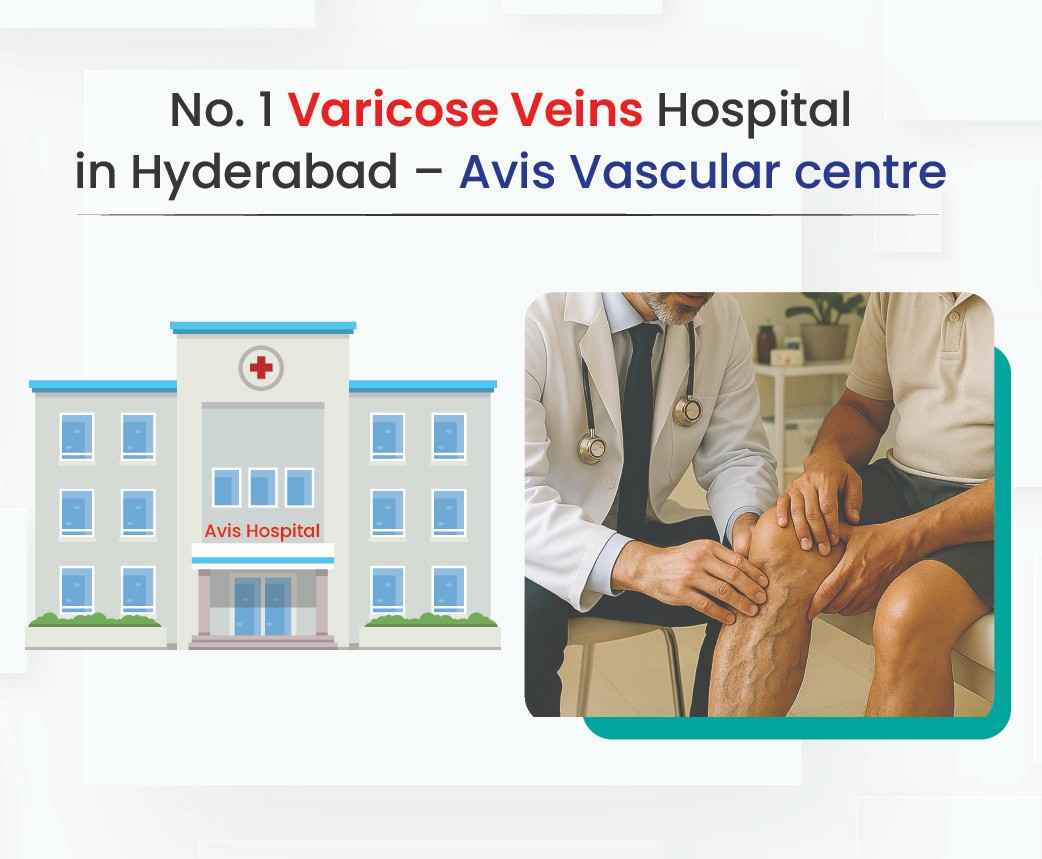
No. 1 Varicose Veins Hospital in Hyderabad – Avis Vascular Centre

Introduction

Varicose veins are not just a cosmetic problem; they are a vascular condition that can cause leg pain, swelling, heaviness, skin discoloration, and even ulcers if left untreated. In Hyderabad, where lifestyle and long working hours often worsen vein issues, patients are increasingly looking for modern, painless solutions. Avis Vascular Centre has emerged as the No. 1 varicose veins hospital in Hyderabad, known for its advanced technology, globally trained specialists, and patient-focused care.

Why Avis Vascular Centre?

At the core of Avis Hospitals’ success is Dr. Rajah V. Koppala, an internationally trained interventional radiologist. His expertise in minimally invasive vascular treatments has brought global best practices to Hyderabad. With branches in Jubilee Hills and Kukatpally, Avis is easily accessible for patients across the city.

Avis focuses exclusively on vascular and interventional radiology, which means patients get the benefit of highly specialised care that goes beyond general surgery.

Advanced Varicose Vein Treatments at Avis

One of the key reasons patients rate Avis as the best for varicose veins treatment in Hyderabad is its cutting-edge, minimally invasive procedures.

Endovenous Laser Ablation (EVLA): A laser-based treatment to seal damaged veins.
– Radiofrequency Ablation (RFA): Heat energy closes faulty veins with precision.
– Vein Glue Closure (Cyanoacrylate Adhesive): A painless, stitch-free solution.
– CLaCS (Cryo + Laser + Cryo Sclerotherapy): Highly effective for spider veins.
– Ulcer Management & Skin Grafting: For advanced venous disease and complications.

All procedures are:
– Day-care based (no hospital stay required)
– Performed under local anaesthesia
– Painless, scar-free, and with quick recovery times

Patient-Centric Care

At Avis, patients are not treated with a one-size-fits-all approach. Each case begins with a free Doppler ultrasound screening (worth ₹4,500) to map the venous system and identify the exact problem. The hospital ensures:

– Customised treatment plans
– Insurance and transparent pricing
– Regular follow-up appointments
– Guidance on lifestyle changes such as exercise, compression stockings, and diet to prevent recurrence

Why Avis is the No. 1 Choice

– Globally trained vascular experts
– USFDA-approved technologies
– Thousands of successful procedures in Hyderabad
– Patient reviews praising comfort, care, and fast results
– Convenient locations in prime areas of the city

When to See a Specialist

Visit Avis Hospitals if you notice:
– Persistent heaviness or leg pain
– Bulging or twisted veins
– Swelling, itching, or skin discoloration
– Non-healing ulcers
– Restless legs or night cramps

Early consultation ensures faster recovery and prevents complications.

For patients in Hyderabad, Avis Vascular Centre is more than just a treatment centre it is a trusted partner in restoring leg health and confidence. By combining global expertise, advanced laser-based technologies, and patient-first care, Avis truly stands as the No. 1 varicose veins hospital in Hyderabad.

If you are struggling with varicose or spider veins, Avis Vascualr Centre offers safe, effective, and lasting solutions that put your comfort and health first.
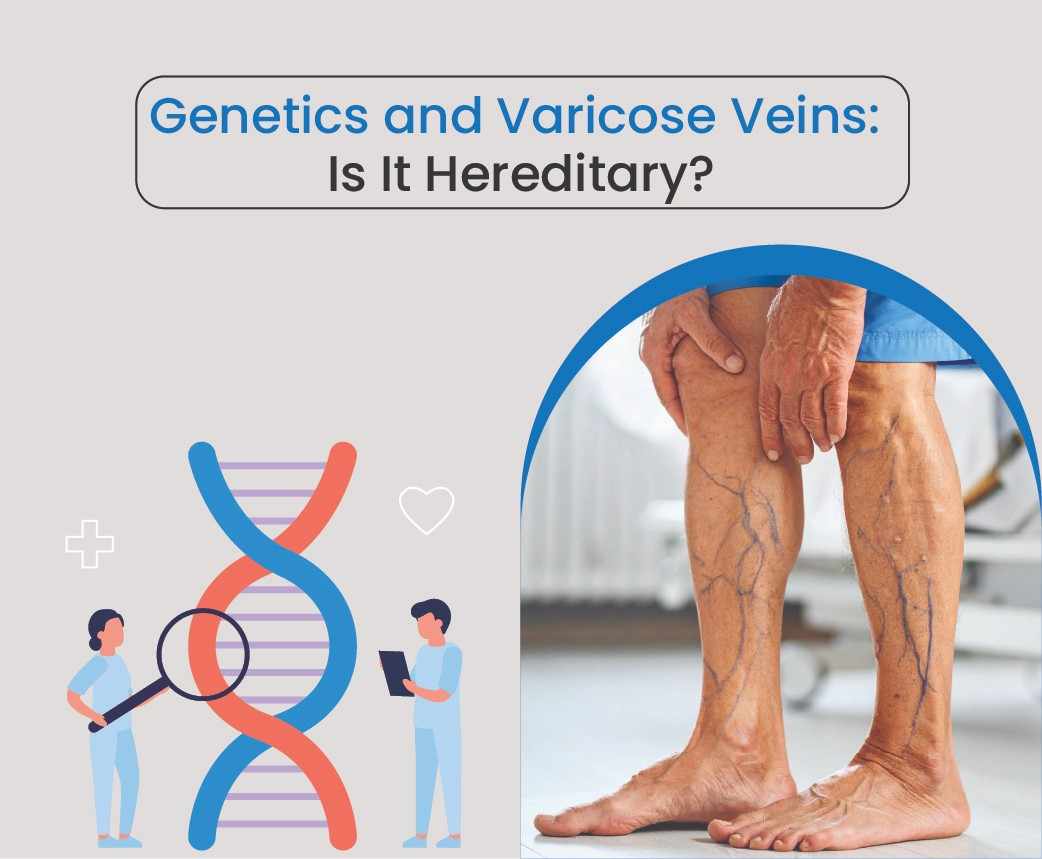
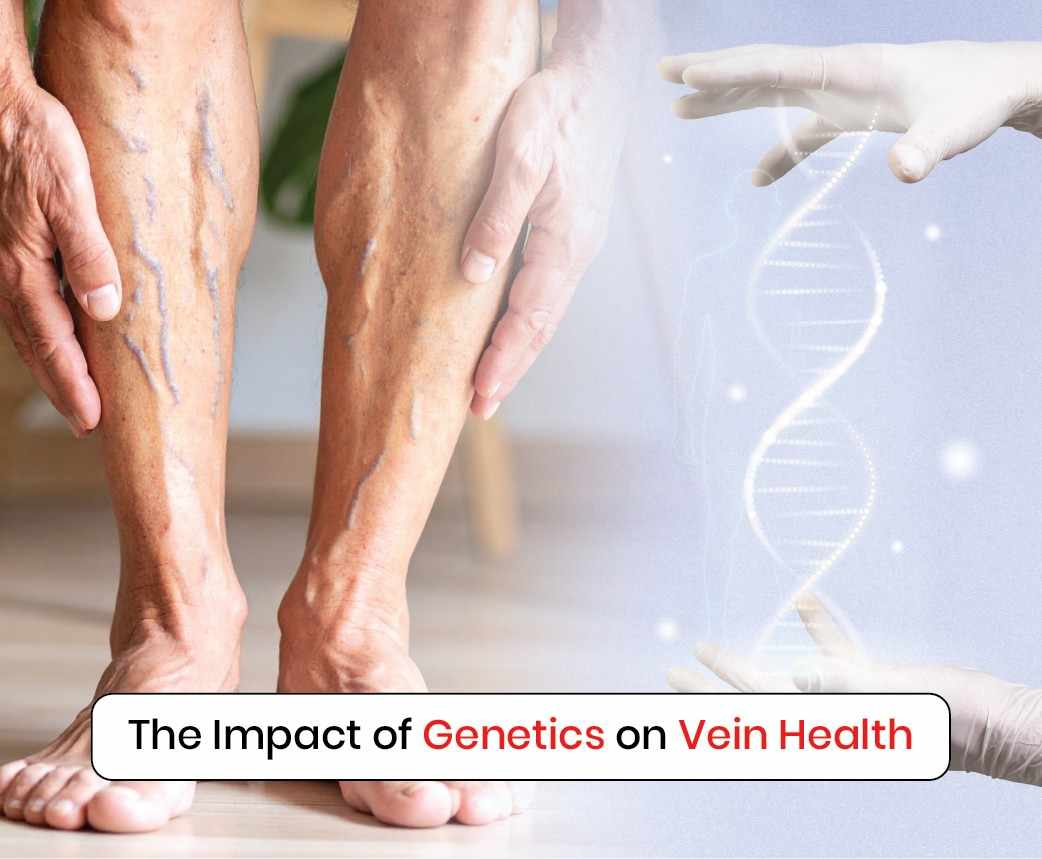
Genetics and Varicose Veins: Is It Hereditary?

If one or both of your parents had varicose veins, you might wonder whether you’re destined to develop them too. Genetics often influence eye colour, height, or hair texture—but what about vein health? The truth is that heredity plays a significant role in varicose veins, but it’s not the whole story. Let’s explore how family history increases your risk, and what you can do to stay one step ahead.

The Genetic Link Explained

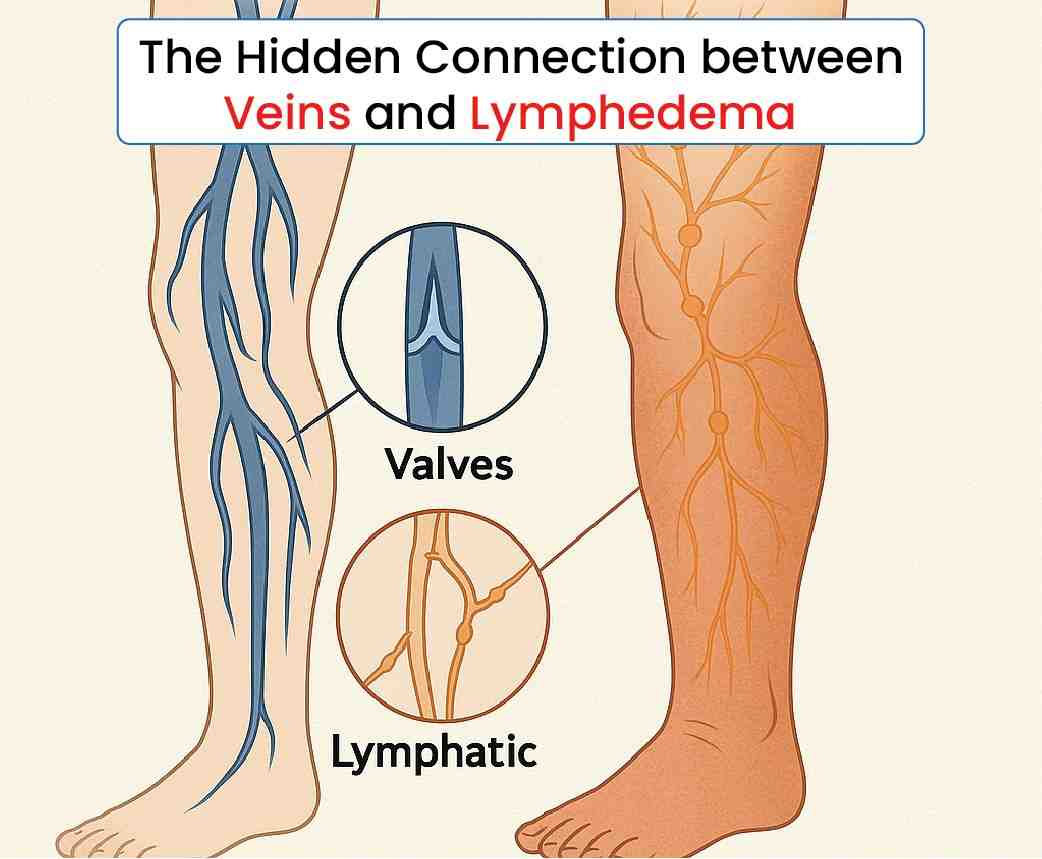
Varicose veins occur when the tiny valves inside veins weaken, allowing blood to flow backward and pool in the legs. This increases pressure, stretching the vein walls and causing them to bulge.

Research shows that genetics are one of the strongest risk factors. If one parent has varicose veins, your risk rises by about 40%. If both parents are affected, that risk can climb as high as 70–80%. The inherited tendency usually involves weaker vein walls or defective valves that make you more vulnerable over time.

Risks and Misconceptions

A common misconception is that if varicose veins “run in the family,” they are inevitable. While genetics increase susceptibility, lifestyle and environmental factors play a huge role. Long hours of sitting or standing, obesity, pregnancy, and lack of exercise can all trigger or worsen varicose veins—even in people without a family history.

Another myth is that only older adults develop hereditary varicose veins. In reality, symptoms can appear as early as your 20s or 30s, especially if you combine genetic risk with poor lifestyle habits. Early warning signs include heaviness, swelling, and aching in the legs after long periods of activity.

Preventive Steps if You Have a Family History

If varicose veins run in your family, proactive care can delay or even prevent their onset. Here are some practical measures:

  • Stay active: Walking, cycling, and swimming strengthen calf muscles that support healthy blood flow.
  • Maintain a healthy weight: Excess weight puts extra pressure on your veins.
  • Avoid prolonged immobility: Take breaks from sitting or standing every 30–60 minutes.
  • Elevate your legs whenever possible to encourage circulation.
  • Use compression stockings if recommended by a vascular specialist.

Adopting these habits can significantly reduce the burden on your veins, even if you are genetically predisposed.

When to See a Specialist

If you notice visible veins, persistent leg pain, or swelling that doesn’t go away, it’s time to see a vascular surgeon. A duplex ultrasound scan can confirm whether faulty valves are the cause. Today, hereditary varicose veins can be treated effectively with minimally invasive procedures such as endovenous laser treatment (EVLT), radiofrequency ablation (RFA), or foam sclerotherapy. These options target the damaged veins directly, offering quick recovery and long-term relief.

Conclusion

So, is varicose veins hereditary? Yes—genetics increase your risk significantly, but lifestyle factors determine whether and how quickly they develop. The good news is that with preventive care and timely medical treatment, you can manage hereditary risk and protect your vein health.

At Avis Vascular Centre, our team, led by Dr. Rajah V. Koppala, specialises in personalised varicose vein treatments. Whether your condition is hereditary or lifestyle-driven, we provide advanced, minimally invasive solutions for safe and lasting relief. Book a consultation today and take control of your leg health.

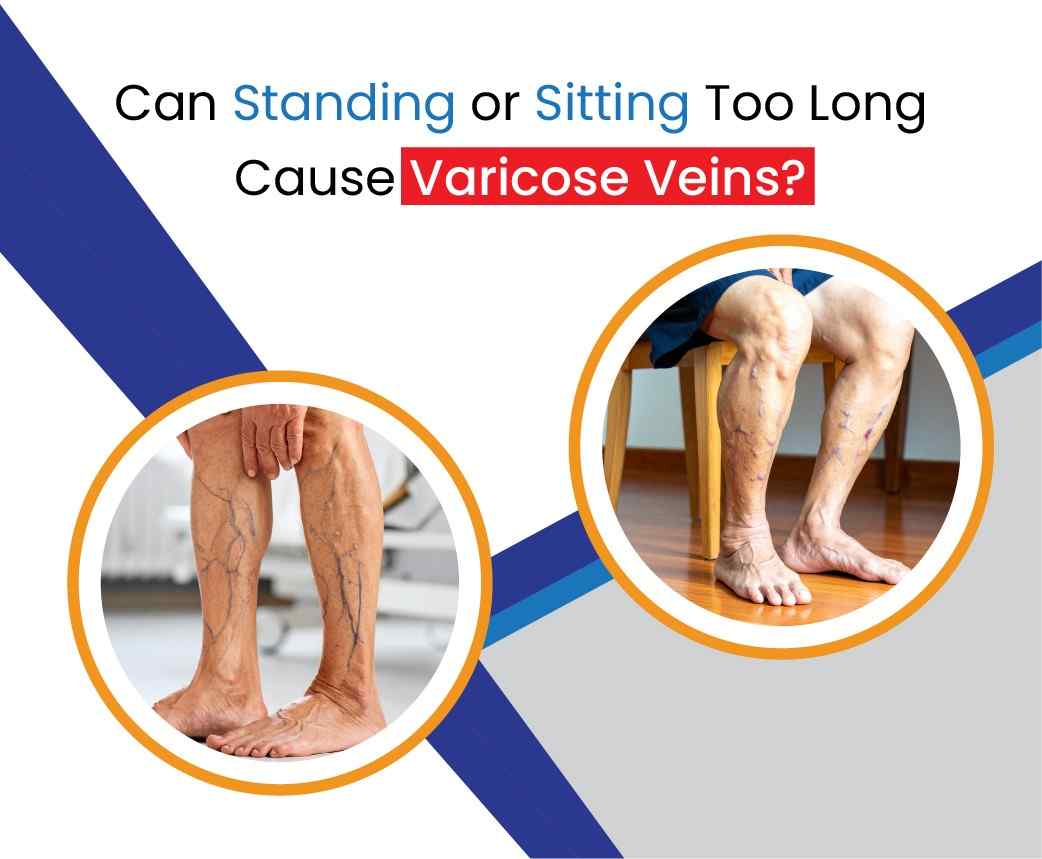
Can Standing or Sitting Too Long Cause Varicose Veins?

In today’s world, many jobs demand long hours of sitting at a desk or standing on your feet. Teachers, retail workers, drivers, and IT professionals often spend 8–10 hours in one position. But can this really lead to varicose veins? The answer is yes. Prolonged sitting or standing is a major risk factor for varicose veins, and understanding why can help you take preventive steps before the condition worsens.

The Medical Explanation

Veins in the legs play a crucial role in carrying blood back to the heart. To fight gravity, they rely on tiny one-way valves and the pumping action of leg muscles. When you sit or stand for long periods, your calf muscles stay inactive. Blood starts to pool in the lower legs, increasing pressure inside the veins. Over time, this extra pressure weakens vein walls and damages the valves, causing varicose veins.

This is why varicose veins are more common in people with sedentary desk jobs or professions that involve constant standing. If untreated, they can progress to swelling, skin discolouration, or even venous ulcers.

Risks and Misconceptions

A common misconception is that only older adults or people with a family history of vein disease develop varicose veins. While genetics play a role, lifestyle is equally important. Even young professionals in their 20s and 30s who spend long hours at a computer or counter are at risk.

Another myth is that exercise can completely cancel out the effects of prolonged sitting. While regular movement helps, it does not eliminate the risk if you spend most of your day immobile. Ignoring early signs like heaviness, aching, or swelling may lead to complications such as deep vein thrombosis (DVT) or skin ulcers.

Practical Tips and Lifestyle Support

If your work requires long hours of standing or sitting, these tips can make a difference:

  • Take short breaks every 30–60 minutes to walk, stretch, or do calf raises.
  • Elevate your legs when resting to improve circulation.
  • Avoid crossing legs for long periods, as it increases venous pressure.
  • Stay hydrated and maintain a healthy weight to reduce strain on veins.
  • Wear compression stockings for varicose veins if recommended by your doctor.

Simple daily habits can help reduce your risk and delay the progression of vein problems.

When to See a Specialist

Seek medical attention if you notice persistent swelling, throbbing, itching, or skin darkening around your ankles. These are warning signs that varicose veins may be progressing. A vascular surgeon can perform a duplex ultrasound scan to diagnose the condition and suggest treatments like laser therapy, radiofrequency ablation, or foam sclerotherapy. These minimally invasive options provide lasting relief and quick recovery.

Conclusion

Yes, standing or sitting too long can cause varicose veins, and it’s a growing concern in today’s sedentary lifestyle. The good news is that early intervention, lifestyle adjustments, and modern treatments can effectively manage the condition.

At Avis Vascular Centre, Dr. Rajah V. Koppala and his team specialise in advanced, minimally invasive treatments for varicose veins. Don’t let your job affect your health book a consultation today and take the first step toward stronger, healthier legs.

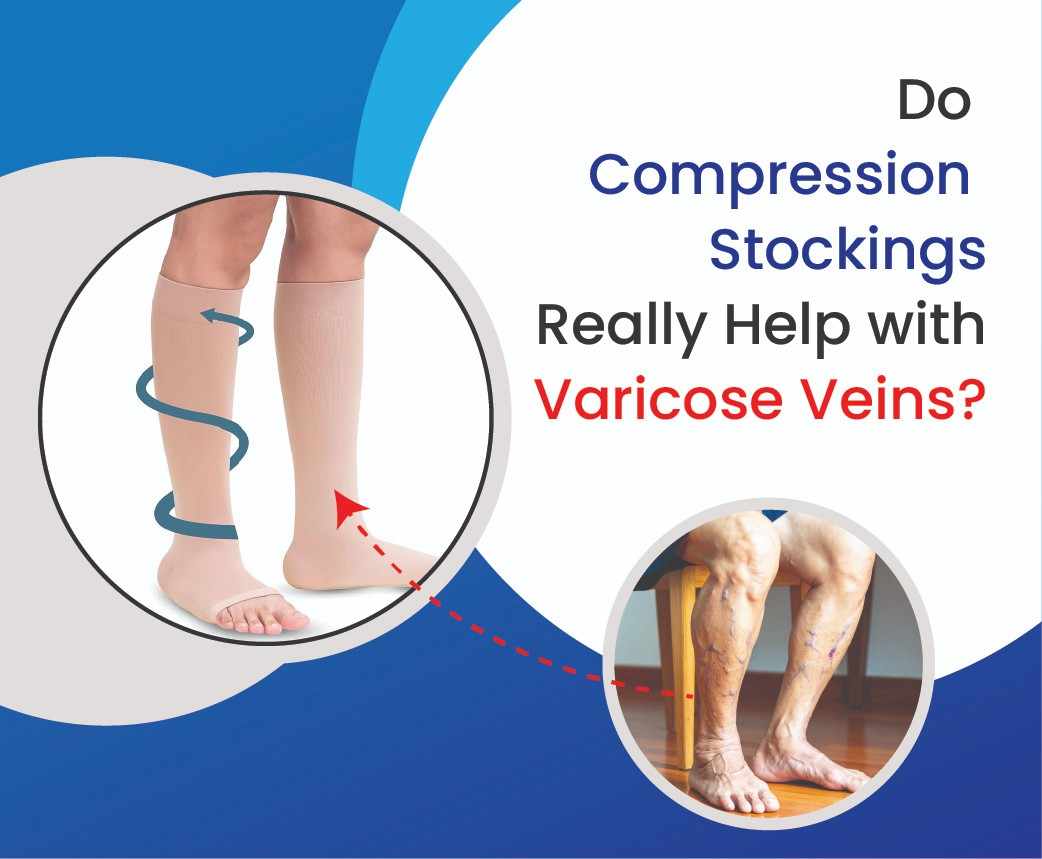
Do Compression Stockings Really Help with Varicose Veins?

Varicose veins affect millions of people worldwide, causing discomfort, swelling, and heaviness in the legs. One of the most common recommendations patients receive is to wear compression stockings. But the question remains—do they actually help with varicose veins, or are they just a temporary fix? Let’s explore the science, the benefits, the misconceptions, and when it’s time to consider advanced treatments.

How Compression Stockings Work

Compression stockings are specially designed medical garments that apply gentle, graduated pressure on your legs. This pressure is tightest at the ankle and gradually decreases upwards, encouraging blood to flow back towards the heart. By preventing blood from pooling in the lower legs, stockings help reduce swelling, heaviness, and pain.

Doctors often recommend compression stockings for:

  • Early-stage varicose veins
  • Pregnant women with leg swelling
  • People with jobs that require long hours of standing or sitting
  • Patients recovering from vein procedures

While they don’t repair damaged vein valves—the root cause of varicose veins—they can significantly relieve day-to-day symptoms.

Myths and Misconceptions

One of the biggest misconceptions is that compression stockings can cure varicose veins. In reality, they are a supportive therapy. The faulty valves in varicose veins remain damaged, and stockings only manage symptoms. Without medical treatment, varicose veins often worsen over time, potentially leading to skin changes, ulcers, or even blood clots.

Another common mistake is using stockings without proper medical guidance. Wearing the wrong size or compression level can cause discomfort, numbness, or even worsen circulation. That’s why it’s essential to have stockings prescribed and fitted by a vascular specialist.

Practical Tips for Using Compression Stockings

If your doctor recommends compression stockings, here are some best practices:

  • Wear them during the day, especially when standing or sitting for long periods.
  • Remove them before bedtime, unless advised otherwise.
  • Put them on first thing in the morning, when swelling is minimal.
  • Replace them every 3–6 months, as elasticity decreases over time.
  • Combine their use with regular walking, weight management, and leg elevation.

These habits make stockings more effective and help improve overall circulation.

When Stockings Aren’t Enough

Compression stockings are an excellent first-line measure, but they are not a long-term solution for moderate or advanced varicose veins. If you notice persistent pain, swelling, skin discolouration, or non-healing wounds, it’s time to consult a vascular surgeon. Modern minimally invasive treatments such as endovenous laser treatment (EVLT), radiofrequency ablation (RFA), or foam sclerotherapy directly treat the faulty veins, providing lasting relief.

Conclusion

So, do compression stockings really help with varicose veins? Yes, they are highly effective in managing symptoms and improving circulation, especially for early-stage cases and preventive care. But they are not a cure. To truly address varicose veins, especially when symptoms worsen, medical treatment is necessary.

At Avis Vascular Centre, our expert team led by Dr. Rajah V. Koppala combines modern vein treatments with lifestyle guidance, including the correct use of compression stockings. Schedule your consultation today and take the first step toward healthier, pain-free legs.

How to Choose the Best Varicose Veins Hospital

Varicose veins are not just a cosmetic concern. These twisted, bulging veins often cause leg pain, swelling, heaviness, and in some cases, serious complications like ulcers or blood clots. With so many treatment centres and hospitals available, patients often ask: “How do I choose the best varicose veins hospital?” The answer lies in understanding what matters most—specialist expertise, advanced technology, patient care, and long-term results. This guide will help you make an informed choice.

Look for Specialist Expertise

The first step in choosing the right hospital is checking whether it has vascular surgeons or interventional radiologists who specialise in vein care. General hospitals may still rely on outdated surgical stripping methods that involve more pain and longer recovery. In contrast, vein specialists are trained in modern, minimally invasive techniques such as endovenous laser treatment (EVLT) and radiofrequency ablation (RFA). Always review a doctor’s credentials, years of practice, and patient outcomes before deciding.

Evaluate Advanced Treatment Options

The best varicose veins hospital will not push a single “one-size-fits-all” solution. Instead, it should offer a range of treatments, including:

  • EVLT (Endovenous Laser Treatment)
  • RFA (Radiofrequency Ablation)
  • Foam Sclerotherapy
  • Venaseal (vein glue closure)

Each patient’s condition is different, and having multiple options ensures a customised approach. Hospitals that provide all these procedures are more likely to deliver safe, lasting results.

Check Technology and Infrastructure

Successful vein treatment starts with accurate diagnosis. Make sure the hospital has doppler color scanning and modern catheter-based systems for precision. Facilities with dedicated vascular labs can map veins in detail, helping specialists choose the right treatment pathway. This reduces the chances of recurrence and ensures quicker recovery.

Focus on Patient-Centred Care

Technology alone is not enough—compassionate care matters. Read patient testimonials to see whether the hospital provides:

  • Thorough consultations and clear explanations of the treatment plan
  • Post-procedure advice, including compression stockings for varicose veins
  • Lifestyle counselling on mobility, diet, and weight management
  • Follow-up checkups to prevent recurrence

A hospital that treats patients as partners in their health journey is more likely to give a positive experience.

Consider Safety, Accreditation, and Transparency

Safety should always come first. Choose a hospital accredited by recognised medical boards that follow strict protocols for infection control and anaesthesia. Transparent pricing is another key factor. Reliable hospitals clearly explain costs upfront—consultation fees, procedure charges, stockings, and follow-up visits—so there are no surprises later.
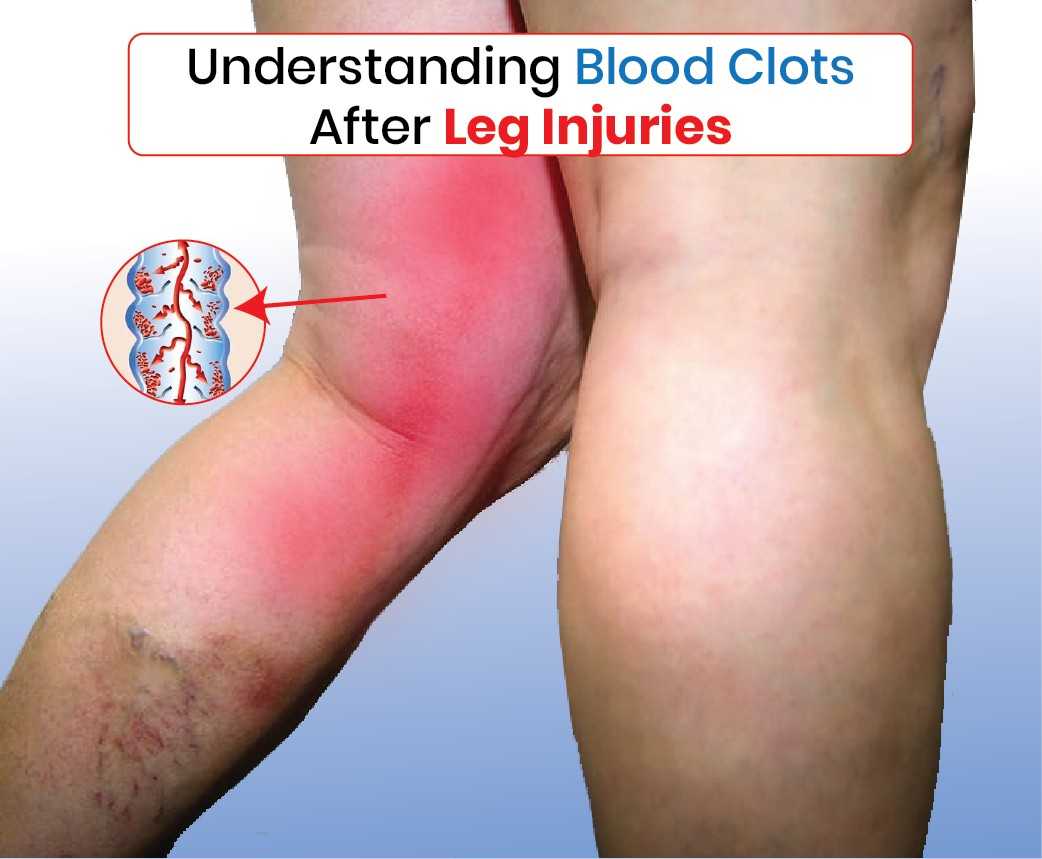
When to See a Specialist

You should not delay medical attention if you notice:

  • Persistent leg pain or heaviness
  • Swelling and skin discolouration
  • Itching, eczema, or skin thickening around the ankles
  • Non-healing wounds or ulcers

Early consultation ensures that treatments are simpler, less invasive, and more effective. Remember, varicose veins do not go away on their own—they worsen over time without proper care.

Conclusion

Selecting the right varicose veins hospital can feel overwhelming, but it doesn’t have to be. Focus on expertise, advanced treatments, patient care, safety, and transparency, and you will make the right choice.

At Avis Vascular Centre, our team, led by Dr. Rajah V. Koppala, offers world-class, minimally invasive varicose vein treatments with a focus on safety and long-term relief. Book your consultation today and take the first step toward healthier, pain-free legs.

Why Glue Treatment Is Becoming Popular for Varicose Veins

Varicose veins are a common condition in India, affecting people across age groups and lifestyles. They occur when vein valves weaken, causing blood to pool and veins to enlarge. Symptoms may include heaviness, swelling, aching, night cramps, and skin changes. If left untreated, complications like ulcers or clot formation can occur.

Modern vascular medicine offers several highly effective, minimally invasive treatments — including Endovenous Laser Ablation (EVLA), Radiofrequency Ablation (RFA), and the newer medical glue-based closure. While each option has distinct advantages, glue-based treatment is drawing growing interest among Indian patients for its unique features.

What Is Glue-Based Treatment?

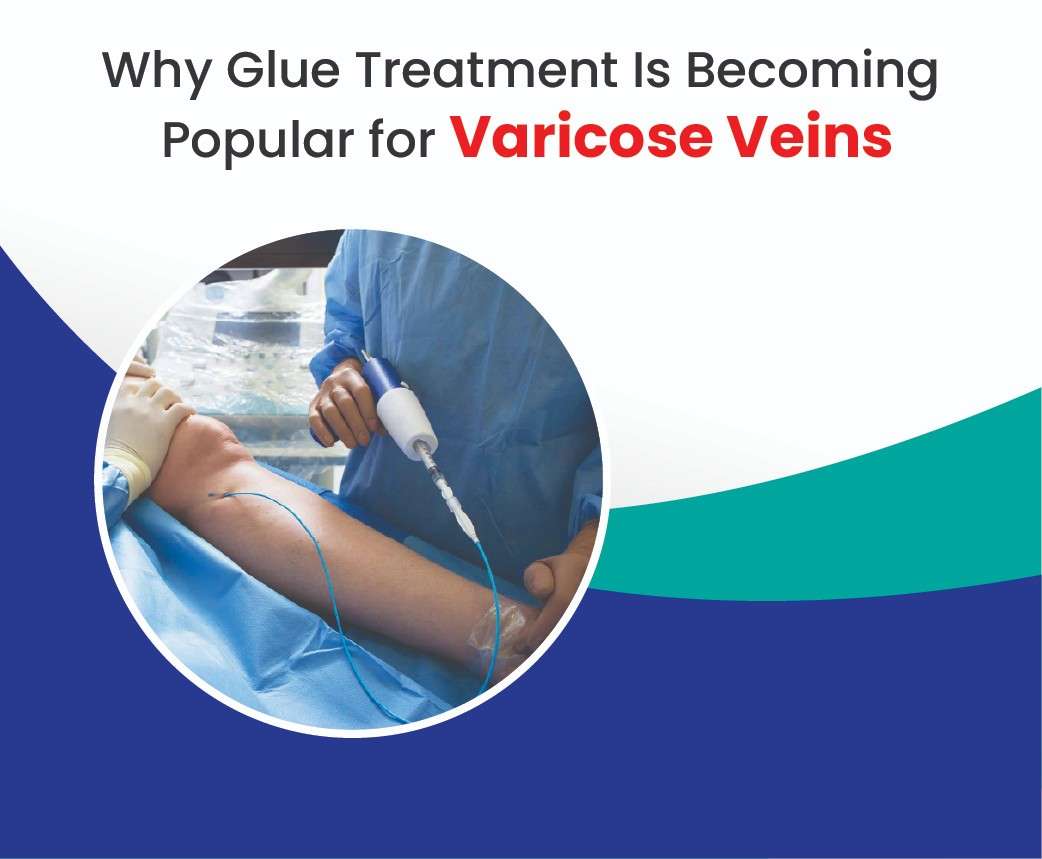
Also known as cyanoacrylate vein closure, this method uses a specially formulated medical adhesive delivered through a thin catheter into the affected vein. Guided by ultrasound, the glue seals the vein instantly. Blood is then naturally rerouted to healthy veins.

The procedure is quick, requires only a small numbing injection at the entry site, and allows most patients to walk out of the clinic within an hour.

Why It’s Gaining Popularity in India

  1. Comfort in a Warm Climate

In India’s warm and humid weather, wearing medical compression stockings after treatment can be challenging. Many glue procedures do not require extended stocking use, which appeals to patients who want a simpler recovery.

  1. Convenience for Busy Lifestyles

Whether it’s a corporate professional in Mumbai or a homemaker in Hyderabad, many patients prefer procedures with minimal disruption. Glue closure allows a quick return to daily routines — often on the same day — making it well-suited to fast-paced urban life.

  1. Minimal Injections

While all modern treatments are performed under local anaesthesia for comfort, glue closure usually needs only one numbing shot at the catheter entry point. Patients who are sensitive to multiple injections appreciate this streamlined approach.

  1. Suitability for a Broad Range of Patients

Glue closure is an excellent option for many patient profiles, including those with certain health conditions or anatomical considerations where a no-heat technique may be preferred. It complements other treatments, ensuring a wider choice for individual needs.

  1. Rising Awareness

Specialised vascular centres and patient education campaigns are helping more people learn about glue-based treatment. Social media, patient testimonials, and doctor-led awareness drives are boosting its visibility, especially in metropolitan and tier-2 cities.

How the Procedure Works

  1. Ultrasound Mapping – The affected vein is identified and assessed.
  2. Catheter Placement – A small puncture is made to introduce a thin catheter.
  3. Glue Delivery – The adhesive is placed in controlled amounts under ultrasound guidance.
  4. Vein Sealing – The vein closes instantly.
  5. Completion – The catheter is removed and a small dressing is applied.

The procedure typically takes 20–30 minutes per vein, and patients can walk immediately afterwards.

The Avis Vascular Centre Advantage

At Avis Vascular Centre, we offer the full range of advanced vein treatments, including glue closure, EVLA, and RFA. Our vascular specialists perform detailed ultrasound vein mapping to recommend the option best suited to each patient’s anatomy, lifestyle, and preferences. With state-of-the-art technology and a patient-first approach, we ensure safe, effective, and lasting results.

Whether you’re looking for a treatment that fits into your busy schedule, avoids prolonged use of compression stockings, or offers minimal injections, glue-based closure is proving to be a comfortable and effective solution for many patients in India. As awareness grows and access expands, its role in modern vein care is only set to increase.

Advanced Vascular Care at Avis Vascular Center in Rajahmundry

Varicose veins and other vascular conditions can cause discomfort, affect mobility, and, in severe cases, lead to life-threatening complications. Avis Vascular Center in Rajahmundry is a trusted name for advanced treatment of varicose veins and related conditions. With a focus on minimally invasive techniques, the center ensures effective care and faster recovery for patients.

Modern Solutions for Varicose Veins

Varicose veins occur when the valves in the veins weaken, leading to pooling blood and vein enlargement. If untreated, this condition can worsen, causing pain, swelling, and complications like skin ulcers. Patients in Rajahmundry can access state-of-the-art treatment options at Avis Vascular Center, including:

  • Endovenous Laser Treatment (EVLT): A minimally invasive procedure where laser energy is used to close the damaged veins, redirecting blood flow to healthier ones.
  • Sclerotherapy: A solution is injected into smaller varicose veins or spider veins, causing them to collapse and gradually fade.
  • Radiofrequency Ablation (RFA): This advanced treatment uses heat energy to seal problematic veins, reducing symptoms effectively with minimal downtime.
  • Ambulatory Phlebectomy: For larger veins, this outpatient procedure removes the veins through tiny incisions, ensuring minimal scarring and discomfort.

These modern techniques provide relief and long-term results while prioritizing patient comfort.

Comprehensive Care Beyond Varicose Veins

In addition to varicose veins treatment, Avis Vascular Center offers care for other vascular conditions, including deep vein thrombosis (DVT). DVT involves the formation of blood clots in deeper veins, which can lead to severe complications like pulmonary embolism. Treatments available include:

  • Anticoagulant Therapy: Medications to prevent clot growth and formation.
  • Thrombolytic Therapy: Clot-dissolving drugs are administered to restore normal blood flow in severe cases.
  • Catheter-Based Interventions: Minimally invasive procedures to physically remove clots or deliver targeted medications.
  • Compression Therapy: Helps improve circulation and reduce swelling in affected areas.

By addressing both varicose veins and DVT, Avis Vascular Center ensures holistic vascular health management for its patients.

Patient-Focused Care with Advanced Technology

Avis Vascular Center in Rajahmundry is equipped with state-of-the-art technology, allowing for accurate diagnostics and effective treatment. The expert team of vascular specialists provides personalized care, educating patients about their condition and tailoring treatment plans to their unique needs.

With minimally invasive techniques, patients experience shorter recovery times and fewer complications, enabling them to return to their daily activities quickly.

Why Choose Avis Vascular Center?

Patients trust Avis Vascular Center for its:

  • Expertise in Vascular Conditions: Skilled specialists deliver comprehensive care for varicose veins and related conditions.
  • Cutting-Edge Treatments: Advanced, minimally invasive techniques ensure effective outcomes with minimal discomfort.
  • Patient-Centered Approach: The team prioritizes patient education and comfort at every step of the treatment process.

Take Control of Your Vascular Health

Living with varicose veins or conditions like DVT doesn’t have to impact your quality of life. With the advanced treatments offered at Avis Vascular Center, you can experience relief and regain your mobility. Schedule a consultation today and take the first step toward better vascular health.

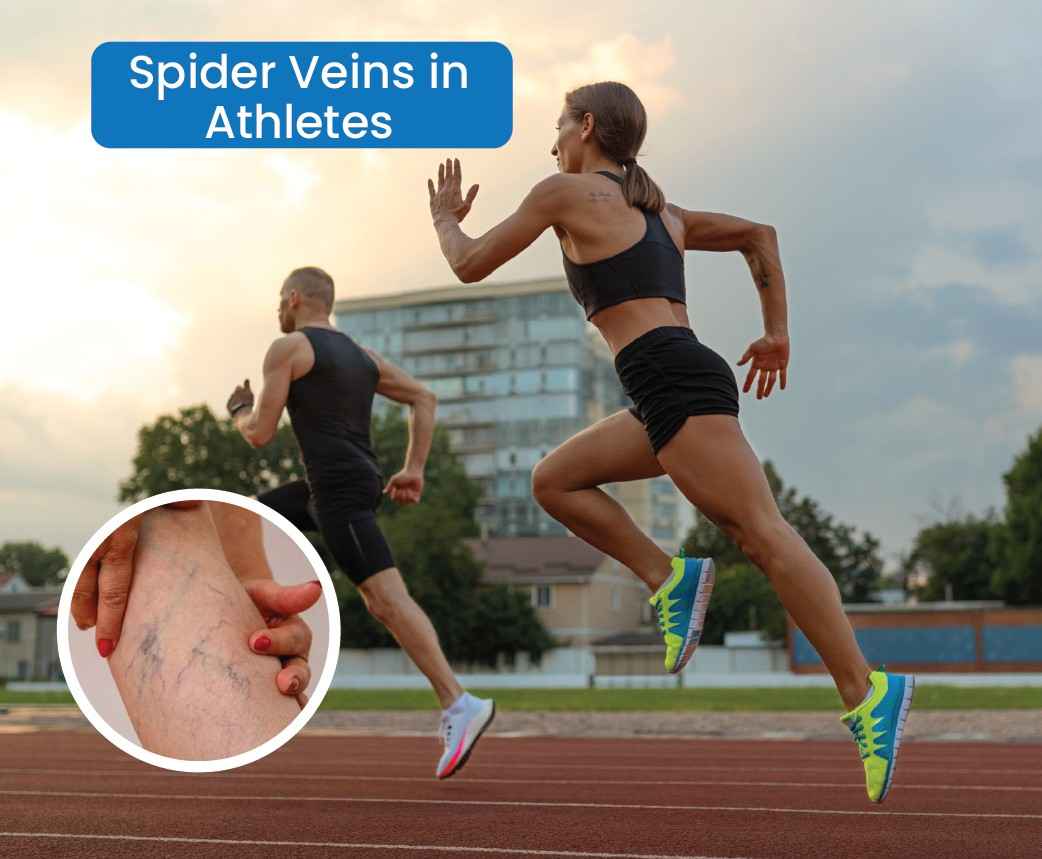
Spider Veins in Athletes

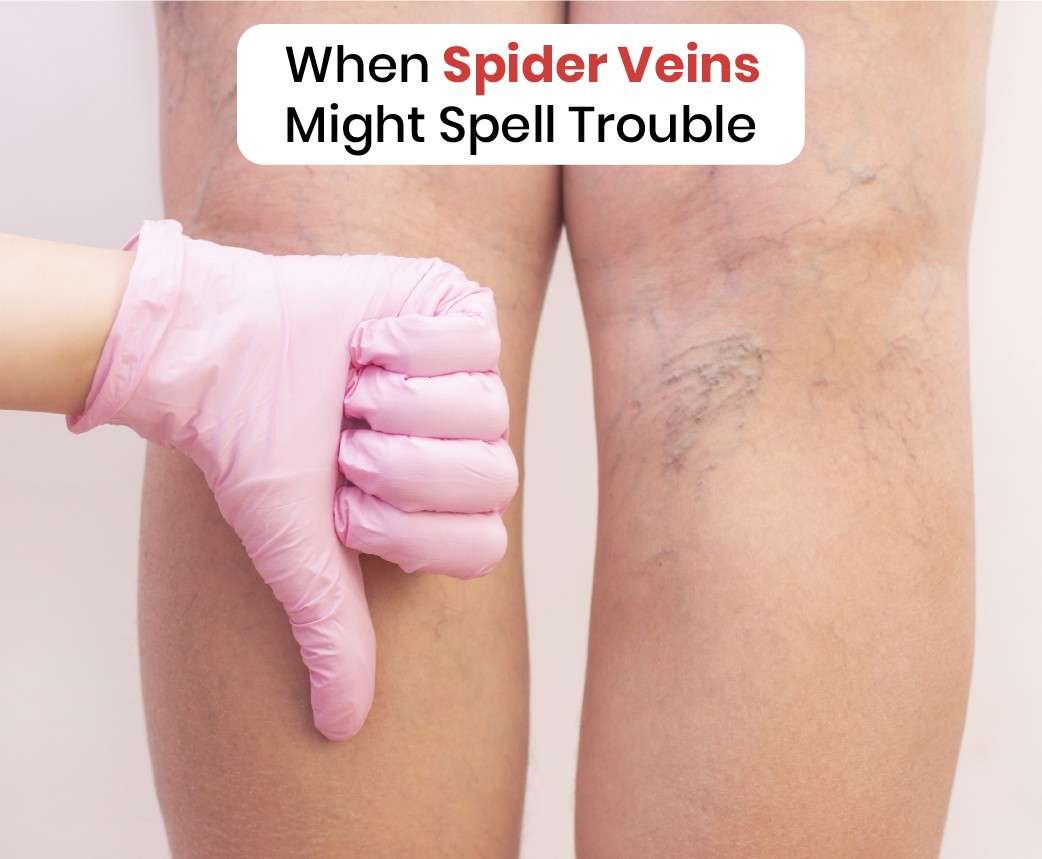
Athletes are often associated with peak physical health, but even those with rigorous training routines can face unexpected conditions like spider veins. Spider veins, or telangiectasias, are small, dilated blood vessels that appear as thin red, blue, or purple lines close to the skin’s surface. Though generally harmless, they can impact performance and comfort if ignored. Understanding why athletes are susceptible and how to manage spider veins is crucial for maintaining optimal performance and vascular health.

Why Athletes Develop Spider Veins

Despite their active lifestyles, athletes often face unique physical challenges that increase their risk of developing spider veins:

  1. Intense Physical Strain
    Activities like running, weightlifting, and competitive sports create repeated pressure on the lower extremities. Over time, this strain can weaken vein walls and valves, causing blood to pool and spider veins to form.
  2. Prolonged Postures
    Athletes in endurance sports, such as marathon runners or cyclists, maintain specific postures for extended periods. This prolonged activity can reduce venous return, especially in the legs, increasing the likelihood of spider veins.
  3. Trauma or Impact Injuries
    Contact sports or activities involving frequent jumps, such as basketball or gymnastics, can cause minor trauma to the skin and veins, leading to visible vein clusters over time.
  4. Hormonal Influences
    Female athletes, especially those undergoing hormonal shifts related to their menstrual cycle or contraceptive use, are more prone to spider veins.
  5. Genetic Predisposition
    A family history of venous insufficiency can predispose even the fittest athletes to spider veins, regardless of their activity levels.

Symptoms Athletes Should Watch For

  • Thin, visible veins, especially in the legs, face, or arms.
  • Leg fatigue, heaviness, or swelling post-exercise.
  • Localized discomfort in the areas affected by spider veins.

Athletes often dismiss these symptoms as post-exercise fatigue, but persistent signs should prompt consultation with a specialist.

Prevention Tips for Athletes

To minimize the risk of spider veins without compromising performance, athletes can adopt the following strategies:

  1. Incorporate Active Recovery
    Activities like yoga, swimming, or light walking enhance blood flow and reduce strain on the veins.
  2. Use Compression Gear
    Compression socks or leggings are vital tools for athletes, as they improve circulation and prevent blood pooling during and after workouts.
  3. Vary Workout Routines
    Balancing high-impact exercises with low-impact alternatives such as cycling or Pilates reduces repetitive strain on the veins.
  4. Leg Elevation Post-Training
    Elevating the legs above heart level for 10–15 minutes post-workout can aid venous return and reduce swelling.
  5. Stay Hydrated and Monitor Nutrition
    Proper hydration and a diet rich in vein-supporting nutrients, such as Vitamin C, help maintain healthy blood vessels.
  6. Invest in Footwear and Form
    Well-fitted shoes and proper exercise techniques reduce undue stress on the legs, supporting overall vascular health.

Treatment Options for Athletes

If spider veins develop, athletes can consider minimally invasive treatments that require little downtime:

  • Sclerotherapy: An injection-based treatment to collapse and fade spider veins, effective for small clusters.
  • Laser Therapy: Uses targeted light to diminish superficial veins without affecting performance long-term.
  • Vein Ablation: For more severe cases, this procedure treats deeper venous issues causing spider veins.

Athletes should work with a specialist to time treatments during off-seasons or recovery phases to ensure minimal disruption to training schedules.

Special Considerations for Athletes

Athletes must be vigilant about their body’s signs. While spider veins might seem like a minor cosmetic issue, they can hint at venous insufficiency, which could impact endurance and mobility. Adapting post-treatment recovery routines and preventing recurrence are essential for long-term vascular health.

Spider veins can affect even the most active individuals, including athletes. The constant strain and unique demands of athletic activities make prevention and management particularly important. By staying informed and proactive, athletes can address spider veins early, maintain peak performance, and continue excelling in their sport without compromising their vascular health.

Understanding Prostate Artery Embolization

An enlarged prostate, medically known as benign prostatic hyperplasia (BPH), is a common condition affecting aging men. While BPH is non-cancerous, it can significantly disrupt daily life with symptoms like frequent urination, difficulty urinating, and interrupted sleep. Fortunately, advances in interventional radiology have made treatments like Prostate Artery Embolization (PAE) a game-changer for managing BPH.

What Is Prostate Artery Embolization (PAE)?

Prostate Artery Embolization is a minimally invasive procedure designed to shrink the prostate by reducing its blood supply. During the procedure, a catheter is inserted through an artery in the groin or wrist and guided to the arteries that supply blood to the prostate. Tiny biocompatible particles are then injected to block these arteries, starving the prostate tissue of nutrients and causing it to shrink over time.

Why Consider PAE?

PAE offers a host of benefits compared to traditional surgical options like Transurethral Resection of the Prostate (TURP):

  1. Minimally Invasive: Performed through a small puncture in the skin, PAE requires no major incisions.
  2. Fewer Side Effects: The risk of complications like urinary incontinence and sexual dysfunction is significantly lower than with TURP.
  3. Shorter Recovery: Most patients can resume normal activities within a few days.
  4. Outpatient Procedure: In many cases, PAE does not require hospitalization.

Procedure Efficacy and Long-Term Benefits

Clinical studies and patient outcomes highlight the high efficacy of PAE:

  • Symptom Improvement: Around 75%–90% of patients experience significant symptom relief within the first few weeks post-procedure.
  • Reduction in Prostate Volume: PAE can reduce prostate size by an average of 30%–50%, alleviating pressure on the bladder and urethra.
  • Sustained Relief: Follow-up studies indicate that many patients continue to experience improved symptoms for up to five years or more after the procedure.
  • Patient Satisfaction: Surveys show that most patients are highly satisfied with their outcomes, citing improved urinary flow and reduced nocturia as key benefits.

PAE is a viable option even for patients with very large prostates, where traditional surgical methods may not be feasible or carry higher risks. Moreover, the minimal invasiveness of PAE ensures that the procedure has a lower complication rate compared to TURP or other surgical interventions.

What to Expect During PAE

  1. Consultation and Imaging: Before the procedure, a detailed medical evaluation, including imaging studies like MRI or CT scans, identifies the arteries supplying the prostate.
  2. Procedure: Conducted under local anesthesia, the interventional radiologist accesses the targeted arteries through a small puncture, guiding the catheter with precision using advanced imaging technology.
  3. Post-Procedure Care: Most patients experience mild discomfort, which resolves within a few days. Medications to manage pain and inflammation may be prescribed.

Is PAE the Future of BPH Treatment?

The demand for non-surgical solutions like PAE continues to rise as patients seek safer, faster, and less invasive treatment options. With its excellent safety profile and proven efficacy, PAE is reshaping the landscape of BPH management.

If you or a loved one are struggling with symptoms of an enlarged prostate, consider consulting a specialist to explore PAE as a treatment option. At Avis Vascular Center, we provide expert care tailored to your needs, ensuring a seamless experience from diagnosis to recovery.

Embrace the possibility of symptom-free living with cutting-edge solutions like Prostate Artery Embolization. Reach out today to learn more about how we can help you regain control and enhance your quality of life.

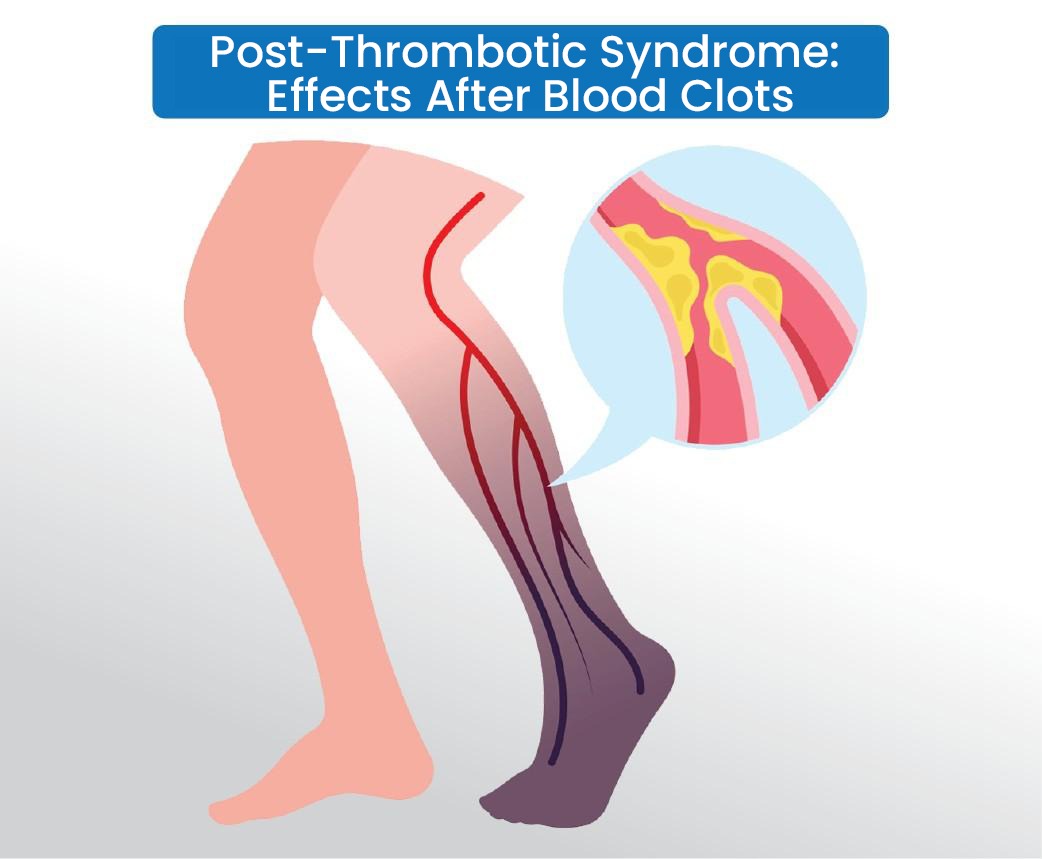
Post-Thrombotic Syndrome: Effects After Blood Clots

Post-thrombotic syndrome (PTS) stands as a silent threat in the aftermath of deep vein thrombosis (DVT), affecting up to 50% of patients who experience a blood clot in their deep veins. This chronic, potentially debilitating condition serves as a stark reminder of the importance of early intervention and proper management of DVT. Understanding its complexities and implementing preventive strategies has become crucial in modern vascular medicine.

The Hidden Cascade

When a blood clot forms in the deep veins, typically in the legs, it can damage the delicate valve system within these vessels. These valves normally ensure proper blood flow back to the heart, working against gravity like tiny gatekeepers. When damaged, they fail to function properly, leading to blood pooling and increased pressure in the legs. This seemingly simple mechanical failure sets off a complex cascade of events that characterizes PTS. The persistent venous hypertension triggers inflammation, leading to changes in the surrounding tissues and blood vessel walls.

Understanding the Warning Signs

The manifestation of PTS often begins subtly, appearing weeks to months after a DVT episode. Patients typically experience a constellation of symptoms that worsen as the day progresses. The leg affected by the previous DVT may become heavy and painful, particularly after long periods of standing or walking. 

Swelling, often more pronounced by evening, can make simple activities increasingly challenging. The skin may undergo changes, becoming darker, thicker, and more sensitive. In severe cases, persistent ulcers may develop, particularly around the ankle area, creating chronic wounds that resist healing. These symptoms can vary significantly among patients, making early recognition crucial for proper management.

The Ripple Effect on Daily Life

The impact of PTS extends far beyond physical symptoms. Patients often find themselves caught in a cycle of discomfort and limitation. Simple activities like climbing stairs or taking evening walks become daunting challenges. The chronic nature of the condition can lead to reduced mobility, affecting both work and social life. 

Many patients report decreased productivity at work, and some may need to modify their occupational responsibilities. The psychological burden of managing chronic symptoms, combined with the anxiety of potential complications, can significantly diminish quality of life. The constant need for compression therapy and lifestyle modifications can also affect personal relationships and social interactions.

Breaking the Chain: Prevention Strategies

Prevention remains the cornerstone of managing PTS. For patients diagnosed with DVT, proper anticoagulation therapy serves as the first line of defense. The timing and duration of anticoagulation are crucial factors in preventing PTS development. 

Compression therapy, through properly fitted stockings, plays a vital role in reducing the risk of PTS development. These stockings, while sometimes uncomfortable, help maintain proper blood flow and reduce swelling. The key lies in consistent use and proper fitting of compression garments.

Regular physical activity, when approved by healthcare providers, helps maintain healthy circulation and prevents blood stasis. A structured exercise program, focusing on ankle movements and calf muscle exercises, can significantly improve venous return. Weight management becomes crucial, as excess weight puts additional pressure on already compromised veins. Elevation of legs during rest periods and avoiding prolonged sitting or standing can significantly impact outcomes.

The Path Forward

Understanding and preventing post-thrombotic syndrome requires a delicate balance of vigilance and proactive management. Healthcare providers must remain alert to early signs of DVT and implement appropriate preventive measures promptly. Regular follow-up assessments using standardized PTS scoring systems help monitor progression and guide treatment adjustments.

Patient education plays a pivotal role in successful management. Understanding risk factors, recognizing early symptoms, and maintaining compliance with prescribed treatments significantly improve outcomes. Support groups and patient resources can provide valuable assistance in managing the chronic aspects of PTS.

The future holds promise for PTS management, with ongoing research into novel therapeutic approaches and improved understanding of the condition’s pathophysiology. By combining current best practices with emerging treatments, we continue to enhance our ability to prevent and manage this challenging complication of DVT.

Early recognition, proper management, and ongoing vigilance remain our strongest allies in preventing PTS. Through comprehensive care approaches and patient engagement, we can significantly reduce the burden of this condition and improve quality of life for those affected.

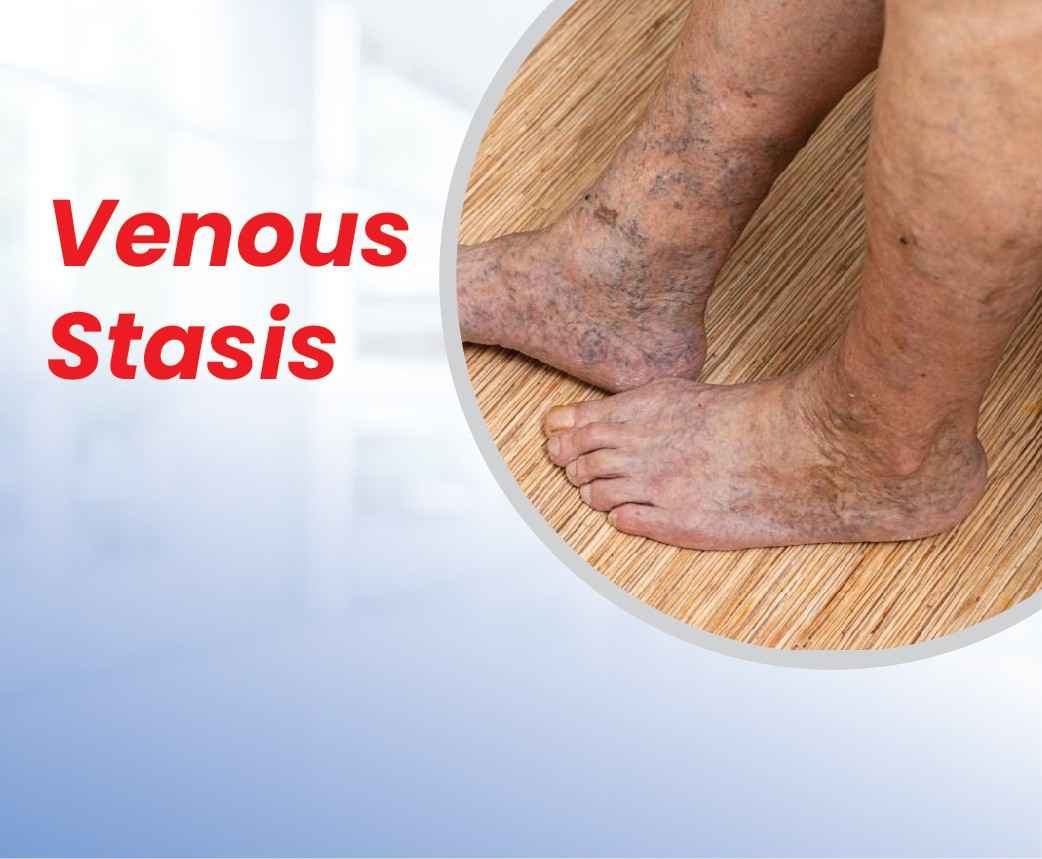
Venous Stasis

Venous stasis, also known as venous insufficiency, is a common circulatory condition affecting millions worldwide. This condition occurs when the veins in your legs struggle to efficiently pump blood back to your heart, leading to blood pooling in the lower extremities. While traditionally managed through surgical interventions, modern medicine now offers less invasive yet highly effective treatment options that have revolutionized patient care.

Understanding the Mechanism

The human circulatory system relies on one-way valves within veins to prevent blood from flowing backward as it travels upward against gravity. When these valves become damaged or weakened, blood can flow backward and pool in the legs, leading to venous stasis. This condition is particularly common in the deep veins of the legs, affecting people of various ages and backgrounds. Several factors contribute to developing venous stasis, including age (over 50), obesity, prolonged sitting or standing, pregnancy, family history, previous blood clots, and smoking.

Warning Signs

The initial manifestations of venous stasis often begin subtly but progressively worsen if left unaddressed. Patients typically first notice a persistent heaviness or aching in their legs, particularly after long periods of standing. This discomfort often intensifies as the day progresses. Swelling, known as edema, usually starts around the ankles and may gradually extend upward. 

Many individuals experience an uncomfortable itching or tingling sensation in their legs, which can become particularly bothersome during evening hours. Leg cramps, especially during night time, are another common complaint that can significantly disturb sleep patterns. The skin may begin to show changes, starting with a subtle darkening or reddish discoloration. Some patients report a feeling of restlessness in their legs, compelling them to move frequently for relief. These symptoms typically worsen in warm weather or after prolonged periods of inactivity.

Complications

When venous stasis progresses without proper intervention, it can lead to several serious complications that significantly impact a patient’s quality of life. The most concerning is the development of venous ulcers, which typically appear near the ankles where blood pooling is most severe. 

These ulcers are notoriously painful and resistant to healing, often requiring specialized wound care and prolonged treatment. The compromised circulation also makes the affected areas highly susceptible to cellulitis, a potentially serious bacterial skin infection that can spread rapidly if not treated promptly. 

Deep Vein Thrombosis (DVT) becomes a significant risk as the sluggish blood flow creates ideal conditions for clot formation. These clots can be life-threatening if they break loose and travel to the lungs. Over time, patients may develop lipodermatosclerosis, where the skin and underlying fat become hardened and inflamed, leading to further discomfort and complications. The chronic pain associated with these complications can be debilitating, affecting mobility, sleep, and overall quality of life.

Prevention and Management

Successful management of venous stasis requires a comprehensive approach that combines lifestyle modifications with medical interventions. Regular physical activity, particularly walking and leg-strengthening exercises, plays a crucial role in improving circulation and preventing blood pooling. It’s essential to maintain a healthy weight, as excess pounds put additional pressure on the venous system. Patients should avoid prolonged periods of sitting or standing and take frequent breaks to move around or elevate their legs.

Compression therapy, through properly fitted stockings, remains a cornerstone of management, helping to prevent swelling and improve blood flow. Adequate hydration is vital, as it helps maintain proper blood viscosity and circulation. Elevating the legs above heart level whenever possible, especially during rest periods, can significantly reduce swelling and discomfort. Regular follow-up with healthcare providers is essential to monitor the condition’s progression and adjust treatment plans as needed. Patients should also be vigilant about skin care to prevent complications, using moisturizers to prevent dryness and watching for any signs of skin breakdown or infection.

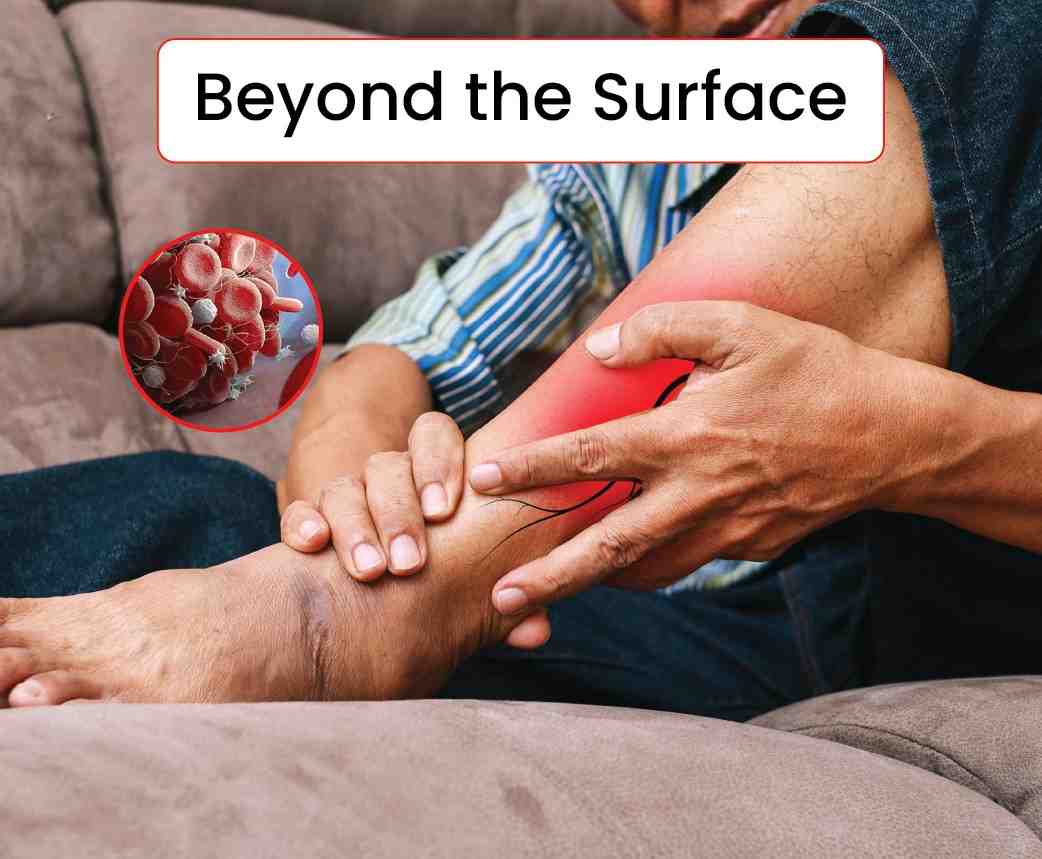
Beyond the Surface

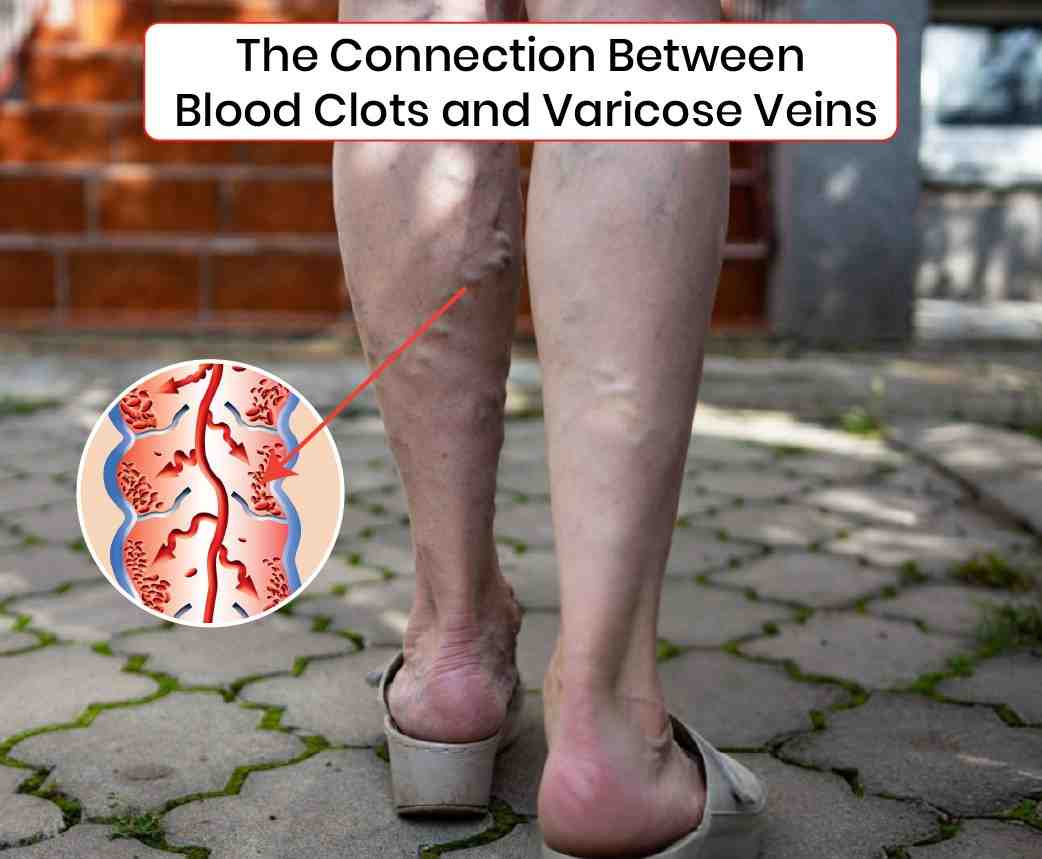
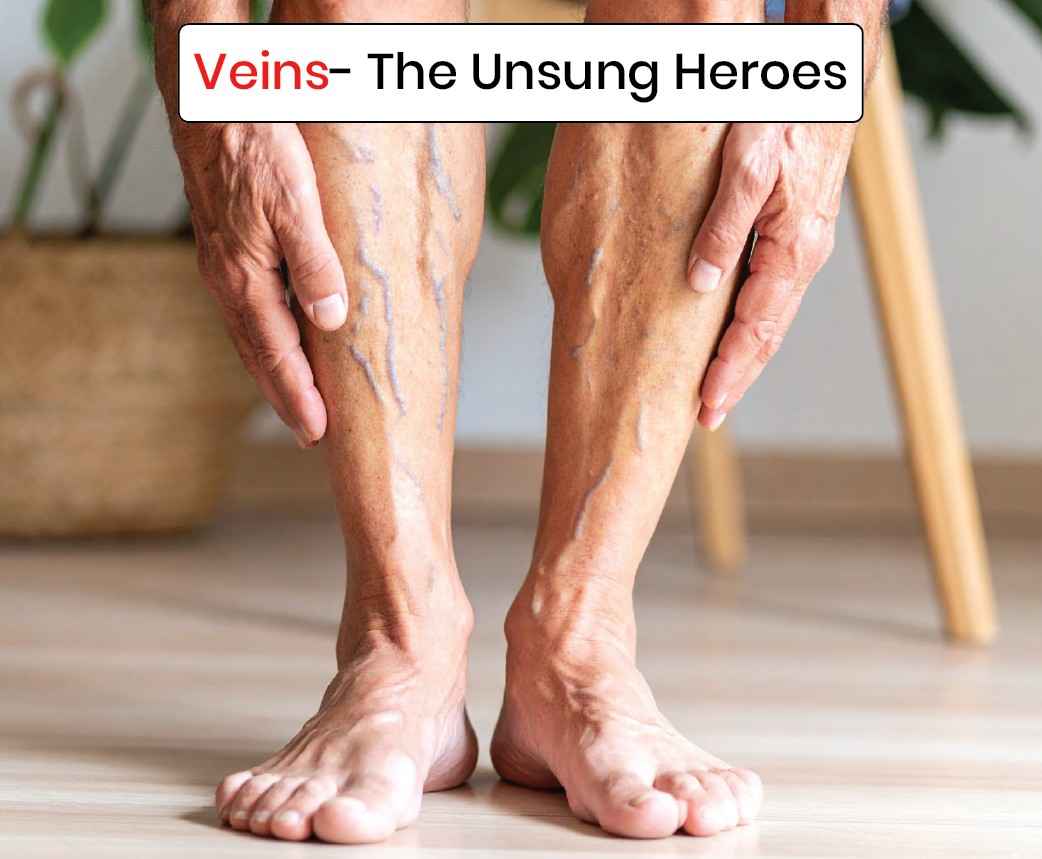
Varicose veins are more than just a cosmetic concern. While they may seem like harmless bulging, twisted veins commonly found in the legs, varicose veins can actually be an indicator of a more severe health risk: blood clots. Understanding the connection between varicose veins and the potential for blood clots, such as deep vein thrombosis (DVT), is crucial for those looking to protect their vascular health. Here, we explore why varicose veins should not be ignored and how they relate to the risk of blood clots.

What Are Varicose Veins?

Varicose veins are swollen, enlarged veins that usually appear just under the surface of the skin, particularly in the legs and feet. They develop when the valves inside veins—responsible for ensuring one-way blood flow toward the heart—become weak or damaged. When these valves fail, blood starts to pool in the vein, causing it to stretch and twist, resulting in the visible bulging appearance of varicose veins.

While varicose veins often cause discomfort, aching, or heaviness, they are generally not considered life-threatening on their own. However, they can serve as a warning sign for more severe underlying conditions, particularly related to blood flow issues and blood clots.

How Blood Clots Form in Varicose Veins

The formation of blood clots, or thrombosis, is closely related to blood flow and vein health. Blood clots can form when blood flow is slow or stagnant, when blood vessels are damaged, or when certain conditions increase blood clotting tendencies. With varicose veins, all these risk factors can come into play. The twisted structure of varicose veins can disrupt normal blood flow, making it harder for blood to circulate back to the heart. This pooling and stagnation create an environment where blood clots are more likely to form.

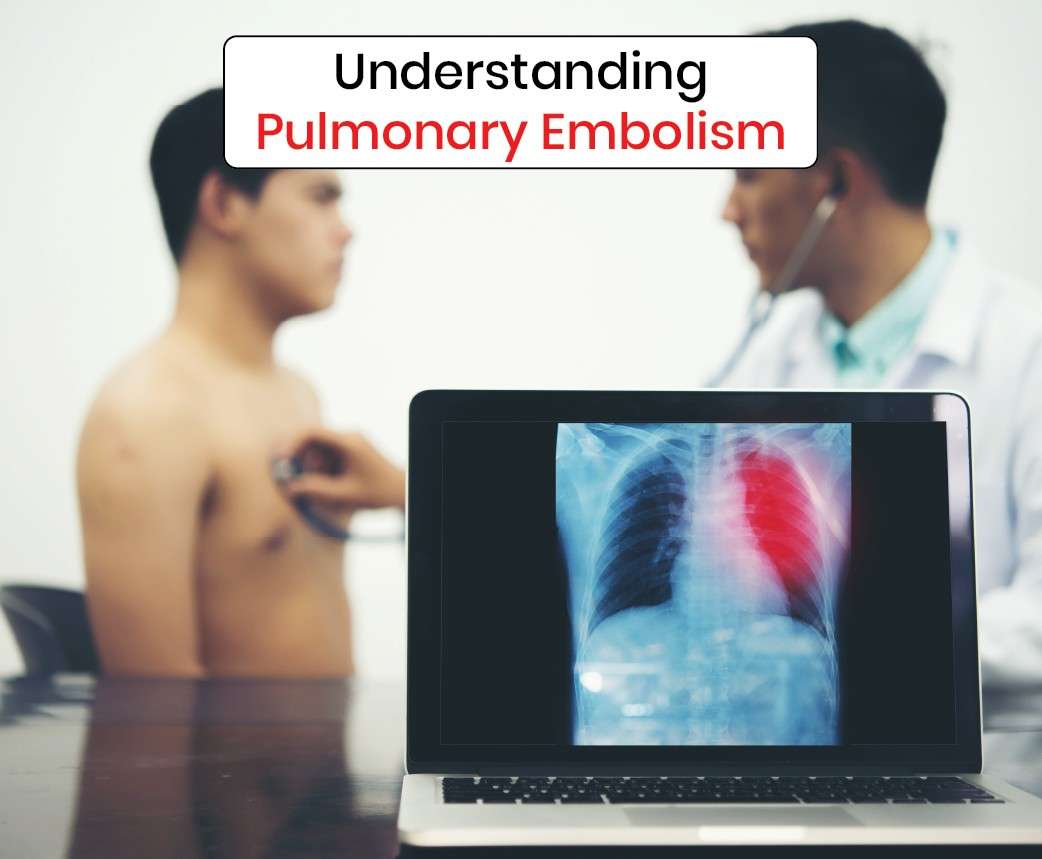
In the case of varicose veins, blood clots can occur both in superficial veins—known as superficial vein thrombosis (SVT)—and in deeper veins, leading to the more serious deep vein thrombosis (DVT). While SVT is less likely to lead to severe complications, DVT poses a significant health risk. If a DVT clot dislodges, it can travel through the bloodstream and reach the lungs, causing a pulmonary embolism, which can be life-threatening.

Understanding the Link Between Varicose Veins and DVT

Research suggests that people with varicose veins are at a higher risk of developing DVT. A study published in the Journal of the American Medical Association indicated that individuals with varicose veins are five times more likely to develop DVT than those without varicose veins. This risk is especially concerning for older adults, those who have a sedentary lifestyle, or individuals with certain predisposing factors, such as obesity, smoking, or a family history of clotting disorders.

Recognizing Symptoms and Seeking Treatment

or individuals with varicose veins, it’s essential to recognize the symptoms of blood clots early. Common symptoms of DVT include swelling, pain, and redness in the affected leg, as well as a feeling of warmth over the vein. In some cases, however, blood clots may not produce noticeable symptoms until they cause more severe complications, like a pulmonary embolism. Therefore, it’s advisable to seek medical advice if you have varicose veins and experience any sudden leg pain or swelling.

Preventive measures, such as regular exercise, maintaining a healthy weight, and avoiding prolonged periods of sitting or standing, can help reduce the risk of developing blood clots. Compression stockings are often recommended to improve blood flow and reduce discomfort associated with varicose veins. In some cases, medical or surgical treatments like sclerotherapy, laser treatments, or vein stripping may be necessary to alleviate varicose veins and reduce the risk of blood clots.

Final Thoughts: Varicose Veins as a Warning Sign

While not every case of varicose veins will lead to a blood clot, the connection between varicose veins and potentially life-threatening clots is well-documented. Treating varicose veins and improving vascular health may help mitigate the risk of DVT, especially for those with other risk factors. Early detection, preventive care, and, if necessary, medical intervention can significantly reduce the chances of complications, making it essential to take varicose veins seriously as a potential warning sign of deeper circulatory issues.

In conclusion, varicose veins are more than a cosmetic issue—they can signal the possibility of deadly blood clots. Understanding this connection empowers individuals to take proactive steps in maintaining their vein health and preventing potentially life-threatening conditions.

Post thrombotic Syndrome

Postthrombotic Syndrome (PTS) is a chronic condition that develops in some individuals after experiencing deep vein thrombosis (DVT), where a blood clot forms in the deep veins, most commonly in the legs. When a DVT damages the valves inside the veins, it disrupts normal blood flow, leading to long-term complications such as chronic venous insufficiency. This results in swelling, pain, and even skin ulcers, severely affecting the patient’s quality of life. Understanding PTS, its potential complications, and the advanced interventional treatments available is crucial for managing the condition effectively.

What is Post thrombotic Syndrome?

PTS occurs when the veins’ one-way valves are damaged or destroyed by a DVT, causing blood to pool in the legs. The backflow of blood increases pressure in the veins, leading to swelling and discomfort. Over time, the impaired circulation causes further complications, such as varicose veins and ulcers. Symptoms typically manifest within 6 months to 2 years after a DVT episode, and they can vary from mild to severe.

Symptoms of Post thrombotic Syndrome

Patients with PTS may experience:

  • Chronic pain and heaviness in the affected leg, especially after prolonged standing or walking.
  • Swelling (edema) of the leg or ankle.
  • Skin discoloration or darkening, particularly around the ankles.
  • Development of varicose veins due to increased pressure in the superficial veins.
  • Slow-healing or non-healing venous ulcers, which may occur in severe cases.

These symptoms can have a profound effect on mobility and daily life, particularly if left untreated.

Complications of Post thrombotic Syndrome

One of the most serious complications of PTS is the development of venous ulcers. These are slow-healing wounds typically found around the ankles and are prone to infections. Venous ulcers can be painful, and treating them requires dedicated medical care. PTS also increases the risk of recurrent DVT, which could further damage veins and lead to more complications like pulmonary embolism (PE).

The chronic nature of PTS can lead to reduced mobility, pain, and emotional stress, as patients struggle to cope with persistent symptoms. This makes early and effective treatment essential.

Interventional Treatments for Post thrombotic Syndrome

Several minimally invasive treatments are available for PTS, focusing on improving circulation, reducing symptoms, and preventing complications such as venous ulcers. These advanced therapies offer significant relief without the need for extensive surgery.

  1. Endovenous Laser Therapy (EVLT)
  • EVLT is a highly effective, minimally invasive procedure used to treat varicose veins and venous insufficiency in PTS patients. During this procedure, a laser fiber is inserted into the affected vein, and heat energy is used to seal off the damaged vein, rerouting blood flow through healthier veins. This treatment significantly reduces pain and swelling, and also prevents the progression of PTS-related venous insufficiency.
  1. Sclerotherapy
  • Sclerotherapy is a common and effective treatment for varicose veins associated with PTS. A chemical solution is injected into the damaged vein, causing it to close and eventually be absorbed by the body. Blood is naturally redirected to healthy veins, improving circulation. Sclerotherapy is especially effective in treating smaller veins that have become damaged due to PTS, reducing discomfort and the appearance of varicose veins.
  1. Angioplasty and Stenting
  • When a vein is narrowed or blocked due to scarring from a previous DVT, angioplasty may be used to widen the vein. A small balloon is inserted into the affected vein and inflated to improve blood flow. In some cases, a stent (a tiny mesh tube) is placed to keep the vein open. This treatment is highly effective for improving circulation in veins that have been significantly narrowed by DVT damage.
  1. Venous Ablation
  • In some cases, venous ablation may be used to treat chronic venous insufficiency in PTS patients. This procedure uses heat from either radiofrequency or laser to close the damaged vein. Venous ablation is minimally invasive and helps in reducing the symptoms of PTS, such as swelling, pain, and leg heaviness.
  1. Compression Therapy
  • Compression stockings are a non-invasive but vital part of managing PTS. By applying pressure to the legs, they help improve blood flow, reduce swelling, and alleviate discomfort. While compression therapy isn’t interventional in the surgical sense, it’s a key part of preventing further complications in PTS patients, especially following other treatments like EVLT or sclerotherapy.

Post thrombotic Syndrome can be a debilitating condition if left untreated, but with the right interventional treatments, patients can achieve significant relief from symptoms like pain, swelling, and venous ulcers. Early diagnosis and intervention are essential to preventing long-term complications and improving the quality of life for patients suffering from this chronic condition.

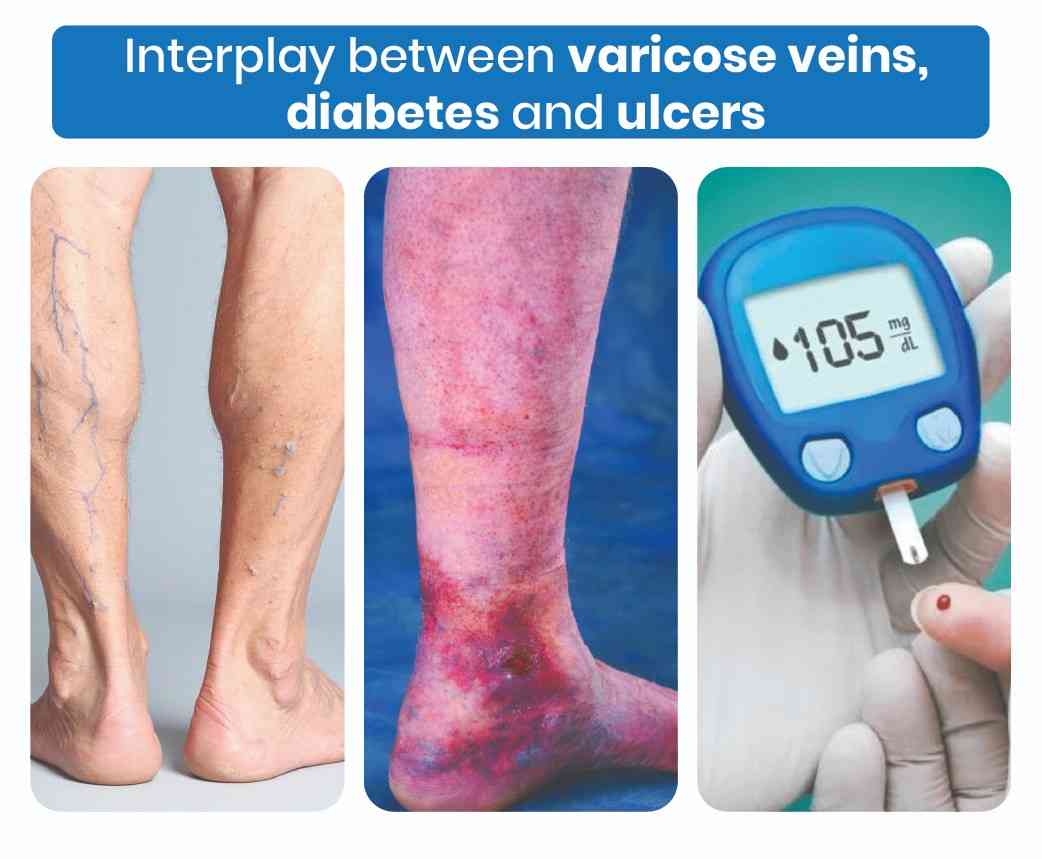
How Diabetes Affects the Vascular System

Diabetes is more than a condition of elevated blood sugar—it has widespread effects on the body, especially the vascular system. Over time, high blood sugar damages blood vessels, contributing to a range of serious vascular complications. Understanding how diabetes affects the vascular system is crucial for preventing and managing these complications, as damage to blood vessels can lead to conditions like Peripheral Artery Disease (PAD), Deep Vein Thrombosis (DVT), and other circulation-related issues that impact quality of life and long-term health.

The Link Between Diabetes and Vascular Health

Blood vessels play a critical role in delivering oxygen and nutrients to tissues, and any damage to these vessels can restrict circulation and compromise tissue health. Diabetes causes high blood sugar levels that damage the blood vessels by making the blood more acidic, which harms the inner lining of veins and arteries. This weakens the vessels over time, making them less flexible and prone to blockages, especially in smaller blood vessels in the eyes, kidneys, and extremities.

Two primary mechanisms contribute to vascular complications in diabetics:

  1. Atherosclerosis (Hardening of the Arteries): Chronic high blood sugar accelerates plaque buildup in the arteries, causing them to narrow and harden, a condition called atherosclerosis.
  2. Increased Blood Viscosity: Higher blood sugar can make blood more viscous, or thicker, increasing the risk of blood clots and slowing blood flow through already narrowed vessels.

Major Vascular Conditions Linked to Diabetes

Peripheral Artery Disease (PAD)

PAD is common in people with diabetes, especially in the legs and feet. High blood sugar damages the large arteries supplying these areas, leading to poor blood flow and oxygen deprivation. PAD can cause pain, cramping, and even open sores or ulcers that do not heal easily.

Symptoms of PAD include:

  • Claudication (leg pain when walking): Pain that starts during movement and eases with rest, due to reduced blood flow.
  • Cold or numb feet and toes: Reduced circulation in the extremities makes them feel cold and reduces sensation.
  • Slow-healing sores or wounds: Poor circulation limits the healing ability, increasing the risk of infections and gangrene in severe cases.

Diabetics with PAD are more likely to face severe complications, such as foot ulcers, which, if left untreated, can lead to amputation.

Deep Vein Thrombosis (DVT)

DVT, or the formation of blood clots in deep veins, typically in the legs, is a risk for diabetics, especially those who are sedentary or have a compromised vascular system. Diabetes can contribute to clot formation due to increased blood viscosity and slowed circulation.

Symptoms of DVT include:

  • Leg swelling: Sudden, noticeable swelling in one leg can be a sign of a blood clot.
  • Pain or tenderness: Often felt in the calf, resembling a cramp or ache.
  • Discoloration and warmth: The area around the clot may appear red or feel warm to the touch.

If left untreated, a DVT can break off and travel to the lungs, causing a pulmonary embolism (PE), which is life-threatening. Managing blood sugar is essential to reducing DVT risk, along with regular movement and a healthy diet.

Chronic Venous Insufficiency (CVI)

In chronic venous insufficiency (CVI), veins in the legs have difficulty returning blood to the heart. Diabetes weakens vein walls and valves, leading to blood pooling in the legs. Symptoms of CVI include swelling, leg cramps, skin changes, and in severe cases, open sores or ulcers on the legs.

Protecting Vascular Health in Diabetes

Prevention is key to minimizing vascular complications in diabetes. Key measures include:

  • Strict blood sugar management: Consistently monitoring and managing blood glucose levels helps reduce the risk of vascular damage.
  • Healthy diet and exercise: A diet rich in fruits, vegetables, and whole grains, combined with regular exercise, supports heart and vein health, improving circulation.
  • Regular vascular check-ups: Routine check-ups, especially for the feet and legs, help detect issues early.
  • Quit smoking: Smoking accelerates vascular damage, so quitting is essential for protecting vein and artery health.

At Avis Vascular Center, specialized treatments for diabetes-related vascular issues like PAD, DVT, and CVI help patients manage complications effectively. Various Interventional procedures offer minimally invasive solutions to restore blood flow and improve circulation, reducing the risk of severe outcomes. To know more, call out experts at Avis Vascular center. 

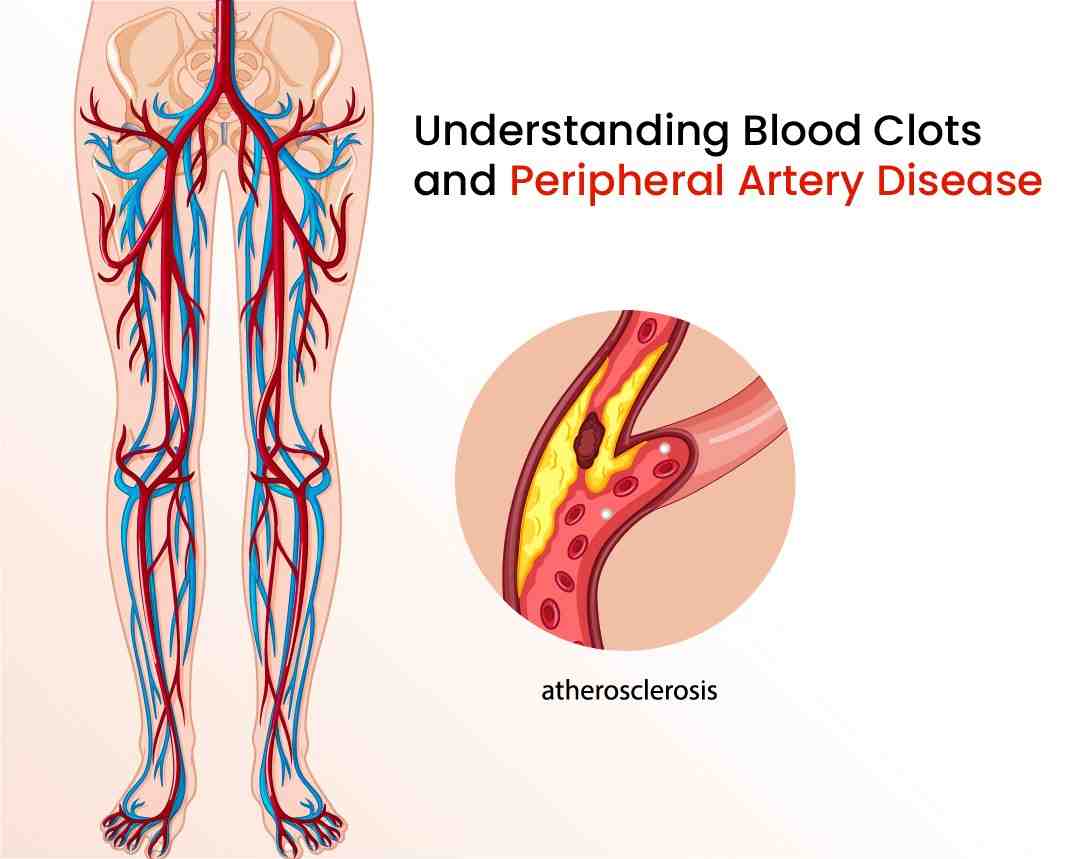
Understanding Blood Clots and Peripheral Artery Disease

Blood clots and Peripheral Artery Disease (PAD) are serious conditions that affect the circulatory system, often leading to life-threatening complications if untreated. Both conditions can impede blood flow, causing pain, discomfort, and more severe health problems. Understanding their symptoms, risks, and treatment options is key to managing these conditions.

What are Blood Clots

A blood clot forms when blood changes from a liquid to a gel-like state, often as a response to injury. However, when clots form inside veins or arteries without injury, they can cause significant problems. These clots can block blood flow, leading to conditions like deep vein thrombosis (DVT) or pulmonary embolism (PE).

DVT occurs when a clot forms in the deep veins, typically in the legs, causing swelling, pain, and redness.

PE happens if a DVT travels to the lungs, blocking blood flow and causing chest pain, difficulty breathing, or even death.

Common risk factors for blood clots include prolonged immobility, surgery, smoking, obesity, and underlying health issues like heart disease.

Peripheral Artery Disease (PAD)

PAD occurs when narrowed arteries reduce blood flow to the limbs, typically the legs. This condition is caused by atherosclerosis, where fatty deposits block arteries. PAD often leads to symptoms such as:

Claudication (leg pain while walking): Pain or cramping in the calf, thigh, or hip.

Cold or numb feet and toes: Poor blood circulation makes the extremities feel unusually cold.

Ulcers or sores on the legs or feet that heal slowly or not at all.

PAD is more common in people with diabetes, high blood pressure, and high cholesterol. Early symptoms may be mild, making the condition hard to detect, but untreated PAD can lead to heart attacks, strokes, and amputations.

Connection Between Blood Clots and PAD

While PAD and blood clots are different conditions, they are linked through poor circulation. People with PAD have a higher risk of developing blood clots because narrowed arteries slow blood flow, increasing the likelihood of clotting. Both conditions share risk factors like smoking, obesity, and high cholesterol.

Treatment Options at Avis Vascular Center

At Avis Vascular Center, a leading healthcare facility specializing in vascular care, patients receive expert diagnosis and treatment for blood clots and PAD. The center offers interventional treatments that are less invasive and highly effective.

For blood clots, anticoagulants (blood thinners) are commonly prescribed to prevent clot formation, while severe cases may require thrombolytics to dissolve clots. Avis Vascular Center also offers catheter-directed thrombolysis, a cutting-edge procedure that directly delivers medication to the clot.

Preventing blood clots and PAD involves managing risk factors through a healthy lifestyle—regular exercise, a balanced diet, and avoiding smoking are critical. Early detection and expert care at facilities like Avis Vascular Center can prevent complications and ensure better outcomes.

Blood clots and PAD are serious, but manageable with the right treatment. Early diagnosis and the latest interventional therapies offered by Avis Vascular Center can significantly improve patients’ quality of life and prevent severe complications.

Advanced Vein Care Why choose Avis Vascular Centre

Dealing with vein conditions such as varicose veins, spider veins, and deep vein thrombosis requires careful consideration when choosing the right hospital for treatment. Not all hospitals are equipped with the specialized tools or expertise needed to offer the latest, most effective treatments. Many hospitals still rely on outdated methods that can involve invasive surgeries and lengthy recovery periods. However, specialized facilities like Avis Vascular Center are revolutionizing vein care through minimally invasive interventional treatments that are faster, safer, and more effective. Here’s why Avis Vascular Center is the top choice for anyone seeking advanced vein treatment solutions.

Understanding the Importance of Interventional Treatments

Interventional treatments have transformed the way vein issues are treated. Rather than using traditional surgical techniques that involve large incisions and long recovery times, interventional treatments utilize small punctures or catheters guided by advanced imaging technologies. These procedures allow doctors to treat vein problems with precision, targeting only the affected areas, which results in less pain and quicker recovery for the patient.

By opting for these modern treatments, patients can avoid the risks associated with more invasive methods and return to their normal activities much sooner. This is one of the main reasons why interventional treatments have become the gold standard in vein care.

Why Choose Avis Vascular Center?

While many hospitals offer some form of vein care, they often lack the specialized equipment and expertise needed for the most advanced interventional treatments. Avis Vascular Center is fully dedicated to providing cutting-edge vascular care, with a focus on minimally invasive procedures that ensure patients experience the best outcomes possible.

Specialized Procedures at Avis Vascular Center

Avis Vascular Center offers a range of interventional treatments designed to treat various vein conditions, including:

  • Endovenous Laser Ablation (EVLA): A highly effective procedure for treating varicose veins, EVLA uses laser energy to close off damaged veins, allowing blood to reroute through healthier veins. The minimally invasive nature of this treatment means patients experience less discomfort and quicker recovery times compared to traditional surgeries.
  • Cryo Laser and Cryo Sclerotherapy (CLaCS): CLaCS combines laser technology with augmented reality to precisely treat spider veins and smaller varicose veins. This cutting-edge procedure offers patients a comfortable and effective treatment option, with minimal downtime.
  • Radiofrequency Ablation (RFA): RFA uses radiofrequency energy to treat varicose veins by heating and closing off damaged veins. This procedure is performed using ultrasound guidance, ensuring high accuracy and safety.

These procedures are performed by experienced specialists at Avis Vascular Center, trained in the latest techniques to deliver exceptional results.

Expert Team Led by Dr. Rajah Koppala

At the heart of Avis Vascular Center’s success is its highly skilled medical team, led by Dr. Rajah Koppala. With over 26 years of experience in vascular treatments and over 40,000 successful procedures, Dr. Koppala is an internationally recognized expert in interventional radiology. His leadership and expertise have made Avis Vascular Center one of the most trusted names in vein care.

Dr. Koppala’s commitment to using the latest technology and his dedication to patient care ensure that every patient receives personalized, high-quality treatment. Under his leadership, Avis Vascular Center has consistently maintained a success rate of over 98%, providing patients with the best possible outcomes.

State-of-the-Art Facilities

Many hospitals lack the necessary equipment for advanced vein treatments, leaving patients with limited options. Avis Vascular Center is fully equipped with state-of-the-art technology that allows for precise diagnoses and advanced treatments. With more than 20 branches across India, each center is designed to deliver the highest standard of care.

From diagnostic imaging to minimally invasive procedures, Avis Vascular Center’s advanced facilities provide a comprehensive range of services. This ensures that patients receive world-class care without the need to visit multiple facilities for their treatment.

Personalized Patient Care

Avis Vascular Center is committed to offering patient-centered care. Each treatment plan is tailored to the individual needs of the patient, ensuring the best possible results. The staff takes the time to explain each procedure, answer any questions, and ensure patients are comfortable and informed throughout their treatment.

This compassionate approach has earned Avis Vascular Center numerous positive reviews from satisfied patients, who appreciate the care and attention they receive. By prioritizing patient comfort and individual care, Avis ensures a positive treatment experience from start to finish.

When it comes to vein care, choosing the right hospital is critical for effective treatment and fast recovery. Avis Vascular Center’s focus on interventional treatments, state-of-the-art technology, and patient-centered care makes it the ideal choice for anyone seeking advanced vein care. With a proven track record of success and an expert team led by Dr. Rajah Koppala, Avis Vascular Center continues to lead the way in innovative vein treatments. For more information, visit avisvascularcenter.com and take the next step toward better vein health.

Why Choosing the Right Vein Hospital Matters

When it comes to treating vein conditions such as varicose veins or deep vein thrombosis, selecting the right hospital is essential for ensuring proper care and successful outcomes. However, not all hospitals are equipped to offer the specialized care required to effectively treat vascular issues. Many hospitals, even well-known ones, lack the advanced technology and expertise necessary for treating complex vein conditions with modern, minimally invasive techniques. This is where Avis Vascular Center stands out, providing top-tier care specifically designed for vein-related issues.

1. Specialization in Vein Treatments

One of the most important considerations when selecting a hospital for vein care is specialization. Many hospitals offer some vascular treatments, but they often rely on outdated surgical methods that involve longer recovery times and higher risks. Specialized vein hospitals, on the other hand, focus entirely on vein and vascular conditions, providing more advanced care.

Avis Vascular Center is a hospital entirely dedicated to vascular health, particularly vein-related conditions. The specialization of the center allows it to offer a focused approach, with every doctor, nurse, and staff member trained in handling the most complex vein conditions. This level of expertise ensures that patients receive the most appropriate and effective care for their specific health needs.

2. Advanced, Minimally Invasive Treatments

Many hospitals still perform traditional surgeries to treat conditions like varicose veins, which can be invasive and require extended recovery times. The latest advancements in vein care, however, focus on minimally invasive procedures that provide faster recovery and less discomfort. Unfortunately, most hospitals do not have the equipment or expertise to offer these modern treatments.

Avis Vascular Center, led by the highly experienced Dr. Rajah Koppala, specializes in minimally invasive treatments such as Endovenous Laser Ablation (EVLA) and Cryo Laser and Cryo Sclerotherapy (CLaCS). These procedures are performed using the latest USFDA-approved technology, ensuring safety, effectiveness, and faster recovery times. Dr. Koppala has performed over 40,000 vein procedures, and Avis Vascular Center boasts a success rate of over 98%, making it a leader in advanced vein care. These procedures are designed to treat the underlying cause of venous insufficiencies with minimal patient discomfort.

3. State-of-the-Art Facilities

A hospital’s ability to deliver high-quality care depends largely on its facilities. Many general hospitals do not invest in the latest vascular treatment technologies, leaving patients with fewer options for effective care. 

Avis Vascular Center is equipped with state-of-the-art medical technology, allowing for precise diagnosis and advanced treatments that aren’t available in many other hospitals. With over 20 branches across major Indian cities, including Bangalore, Chennai, and Mysore, Avis offers patients access to world-class facilities regardless of their location. These advanced facilities are essential for performing minimally invasive procedures that are both highly effective and safe.

4. Expert Medical Team

The quality of doctors and medical staff is another crucial factor when choosing a vein hospital. At many hospitals, the doctors may not have specific expertise in vein treatment, which can impact the quality of care. However, at specialized vein hospitals like Avis Vascular Center, the doctors are experts in their field, ensuring the highest standard of treatment.

Dr. Rajah Koppala, the founder of Avis Vascular Center, is an internationally recognized Interventional Radiologist with over 26 years of experience. He has been honored with numerous awards, including the Excellence in Varicose Veins Treatment Award at the Times Network India Health Awards in 2024. His leadership and expertise have helped Avis Vascular Center become a leader in vein care, making it the best hospital for patients seeking advanced and specialized vein treatments. Under his guidance, the medical team at Avis provides compassionate and expert care, consistently receiving high praise from patients.

5. Patient-Centered Care

Finally, when choosing a vein hospital, it’s important to consider the patient experience. Many hospitals, particularly larger ones, can feel impersonal, with patients often treated like just another case. A specialized hospital, however, focuses on providing a patient-centered approach that prioritizes comfort and individualized care.

Avis Vascular Center is known for its patient-centric approach. Patients at Avis consistently express satisfaction with the personalized and compassionate care they receive. The staff and doctors take the time to understand each patient’s unique condition and create tailored treatment plans that address their specific needs. This level of personalized care ensures not only successful treatment outcomes but also a positive and comfortable patient experience.

Choosing the right vein hospital can make all the difference in the quality of your treatment and recovery. While many hospitals may not be equipped with the necessary expertise or technology, Avis Vascular Center excels in every aspect of vein care. If you are looking for a hospital that prioritizes expertise, technology, and personalized care, Avis Vascular Center is the clear choice for your vein treatment.

Choose your Vein doctor

When dealing with vein-related health issues such as varicose veins, spider veins, or deep vein thrombosis, finding the right doctor is crucial. The quality of care you receive can impact not only your recovery but also your overall well-being.

There are several key factors to consider when choosing a vein doctor, and understanding these factors can help you make the best decision. Dr. Rajah Koppala of Avis Vascular Center is a shining example of what makes a great vein doctor. Here’s why he stands out. 

1. Qualifications and Expertise

The first factor to consider when choosing a vein doctor is their qualifications. A doctor specializing in vascular treatments or interventional radiology will have the necessary training to handle complex vein issues. It’s important to look for certifications and specialized education that reflect their expertise in treating venous conditions.

Dr. Rajah Koppala brings top-tier qualifications to his practice. With an MD in Vascular Interventional Radiology from England and an MBBS and Residency in Diagnostic Radiology from Osmania University in Hyderabad, Dr. Koppala’s credentials place him among the leading experts in vascular care. His advanced training gives him the skills needed to accurately diagnose and treat a wide range of vein issues, making him a trusted expert in the field.

2. Experience Matters

A doctor’s experience is crucial in ensuring successful treatment outcomes. A doctor with years of hands-on experience will have a deeper understanding of various vein conditions and the best methods to treat them. Experience also allows doctors to manage complications more effectively, ensuring that patients receive the safest care possible.

With over 24 years of experience in vascular care, Dr. Koppala has treated thousands of patients with various vein conditions. His extensive experience enables him to provide highly effective treatments and personalized care. Since establishing Avis Vascular Center, he has built a reputation for excellence, helping countless patients across India achieve better health outcomes.

3. Innovative Treatment Options

The best vein doctors stay on the cutting edge of medical advancements, offering minimally invasive treatments that reduce recovery time and discomfort. These treatments, such as Endovenous Laser Ablation (EVLA) and Cryo Laser and Cryo Sclerotherapy (CLaCS), have revolutionized how vein conditions are treated by offering faster recovery times and fewer complications than traditional surgery.

Dr. Koppala is committed to using the latest technologies in vascular care. At Avis Vascular Center, he offers advanced, minimally invasive procedures like EVLA and CLaCS, ensuring patients receive effective treatment with minimal downtime. These innovative procedures are not only safer but also provide quicker relief from vein-related symptoms, making Dr. Koppala a leader in cutting-edge vein care.

4. State-of-the-Art Facilities

The clinic’s facilities play an essential role in the treatment process. A well-equipped clinic ensures that patients receive the most accurate diagnoses and effective treatments. A commitment to investing in the latest technology reflects the doctor’s dedication to providing top-quality care.

Avis Vascular Center, under Dr. Koppala’s leadership, is a network of over 20 branches across India, all equipped with state-of-the-art medical technology. These clinics offer advanced treatments in comfortable, well-maintained settings, ensuring that patients have access to world-class care regardless of their location. The investments made in top-tier facilities guarantees a superior level of care.

5. Patient-Centered Care

A doctor’s approach to patient care is just as important as their skills. The best doctors prioritize a patient-centered approach, taking the time to understand individual needs and concerns. Personalized treatment plans tailored to each patient lead to better outcomes and higher patient satisfaction.

Dr. Koppala’s patient-centered approach is one of his greatest strengths. He listens to his patients, develops customized treatment plans, and ensures they feel comfortable and informed throughout the process. This commitment to personalized care has led to a 98% success rate across various procedures, solidifying his reputation as a compassionate and effective vein specialist.

Choosing the right vein doctor requires careful consideration of qualifications, experience, treatment options, facilities, and patient care. Dr. Rajah Koppala excels in all of these areas. His extensive qualifications, years of experience, use of innovative treatments, state-of-the-art facilities, and patient-centered care make him one of the top vein specialists in India. For anyone looking for expert vein care, Dr. Koppala and Avis Vascular Center offer the highest level of treatment and compassion.

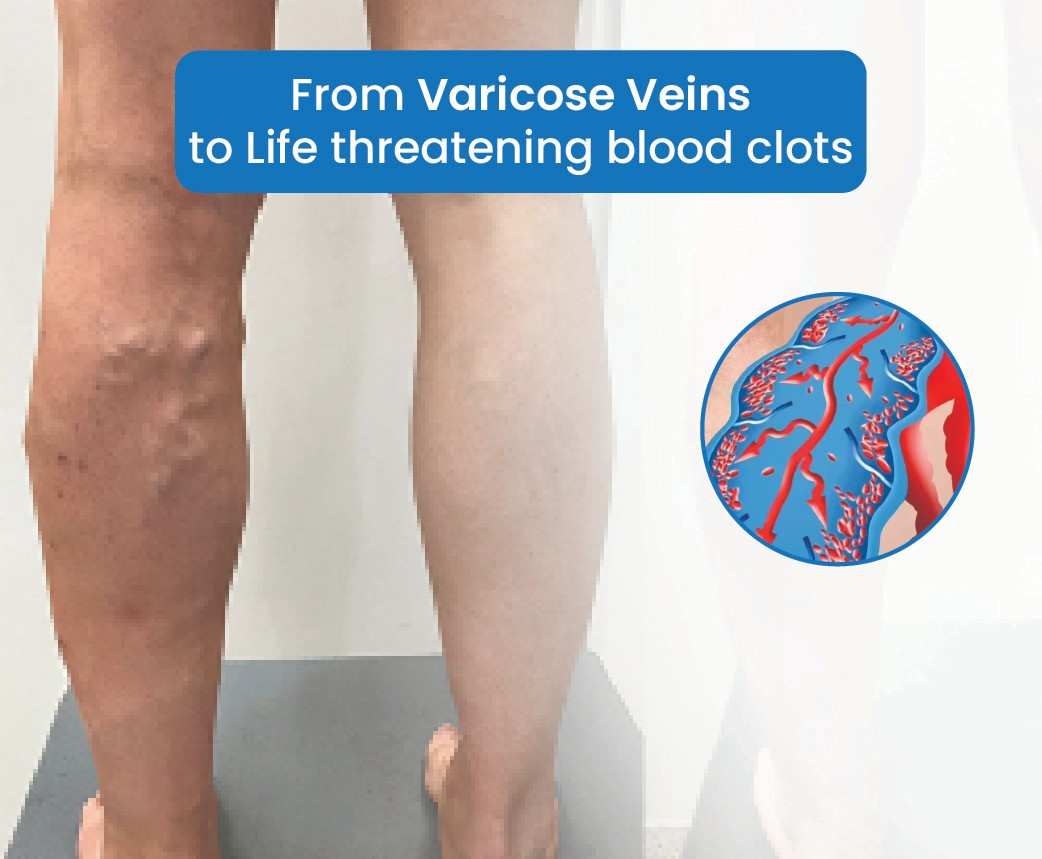
From Varicose Veins to Life threatening blood clots

Vein problems, particularly those involving the deep veins of the legs, are a significant risk factor for the development of blood clots. These clots can cause a range of serious health complications if they travel through the bloodstream or obstruct vital circulation pathways. For medical professionals, understanding the relationship between vein disorders and the complications of blood clots is crucial for preventing severe outcomes and managing patient care effectively.

Vein Problems and Their Role in Blood Clot Formation

Veins are responsible for returning deoxygenated blood back to the heart. When these veins are compromised, it can lead to poor circulation and an increased risk of blood clots. Several common vein problems are particularly associated with the formation of blood clots:

  1. Chronic Venous Insufficiency (CVI): CVI occurs when the veins in the legs do not efficiently return blood to the heart due to damaged vein valves. This causes blood to pool in the legs, leading to swelling, pain, and skin changes. The stagnant blood flow can increase the risk of clot formation, particularly in the deep veins, resulting in deep vein thrombosis (DVT).
  2. Varicose Veins: These are enlarged, twisted veins that are often visible just under the surface of the skin. While they are typically a cosmetic concern, they can also indicate underlying vein problems such as CVI. The sluggish blood flow in varicose veins creates a conducive environment for clotting. Although less common, varicose veins can contribute to superficial vein thrombosis, which, while less dangerous than DVT, can still be painful and cause further complications.
  3. Deep Vein Thrombosis (DVT): This condition involves the formation of a clot in the deep veins, usually in the legs. DVT is particularly dangerous because if part of the clot breaks free, it can travel through the bloodstream and lodge in the lungs, causing a pulmonary embolism (PE). This is a life-threatening complication that can lead to severe respiratory distress and even death.

Complications Arising from Vein-Related Blood Clots

When blood clots form due to vein problems, they can lead to a range of serious complications. Here are some of the most concerning:

  • Pulmonary Embolism (PE): When a clot formed in the deep veins (DVT) travels to the lungs, it can cause a pulmonary embolism. PE blocks blood flow in the lungs, which can lead to sudden shortness of breath, chest pain, and even death if not treated immediately. The connection between DVT and PE underscores the importance of early detection and treatment of vein problems.
  • Post-Thrombotic Syndrome (PTS): This condition can develop in up to 50% of patients who have had a DVT. PTS results from long-term damage to the vein valves caused by the clot, leading to chronic pain, swelling, and in severe cases, ulcers. PTS significantly impacts a patient’s quality of life and highlights the long-term consequences of untreated vein issues.
  • Chronic Venous Insufficiency (CVI): Following a DVT, patients are at higher risk of developing chronic venous insufficiency. The clot can damage the vein valves permanently, leading to persistent symptoms such as leg swelling, varicose veins, skin changes, and venous ulcers. This condition further increases the risk of future clot formation and requires ongoing management.

Prevention and Management of Vein-Related Blood Clot Complications

Preventing complications from blood clots due to vein problems involves several strategies:

  • Compression Therapy: Wearing compression stockings can help improve blood flow in the legs and reduce the risk of clot formation in patients with chronic venous insufficiency or varicose veins. Compression therapy is often recommended for patients post-DVT to prevent PTS.
  • Anticoagulation Therapy: Patients with a history of DVT or those at high risk of clot formation may be prescribed anticoagulants to reduce the chance of clotting. However, this requires careful monitoring to balance the risk of bleeding complications.
  • Lifestyle Modifications: Regular exercise, weight management, and elevating the legs can help improve venous circulation and reduce the risk of clots. Patients are also advised to avoid prolonged periods of immobility, which can exacerbate vein problems and increase clot risk.

Understanding the relationship between vein disorders and blood clot complications is essential for healthcare providers to prevent severe outcomes and provide effective management strategies for patients. Early diagnosis and proactive treatment are key to mitigating the risks associated with these conditions and ensuring better patient outcomes.

Understanding Leg Ulcers

Leg ulcers are a common yet often misunderstood medical condition that can significantly impact an individual’s quality of life. These open sores or wounds typically develop on the lower legs and are slow to heal due to a variety of underlying conditions. One of the most concerning factors contributing to the development of leg ulcers is diabetes. Understanding the symptoms of leg ulcers and their connection to diabetes is crucial for early detection and effective management.

What Are Leg Ulcers?

Leg ulcers are sores that develop on the skin, usually on the lower legs, and take longer to heal than regular wounds. They are often caused by poor blood circulation, which prevents the necessary nutrients and oxygen from reaching the skin to promote healing. There are different types of leg ulcers, including venous, arterial, and diabetic ulcers, each associated with different causes and risk factors.

Symptoms of Leg Ulcers

Identifying the symptoms of leg ulcers early is key to preventing complications. Here are some common signs and symptoms:

  1. Persistent Pain and Discomfort: One of the earliest signs of a leg ulcer is persistent pain, which may feel like a burning or aching sensation. This pain can be more pronounced when standing or walking and might ease when the legs are elevated.
  2. Open Wounds: Leg ulcers typically appear as open sores or wounds that do not heal within a few weeks. They may start as small cuts or abrasions and gradually become larger.
  3. Swelling and Redness: The area around the ulcer may become swollen and red due to inflammation. This swelling can be particularly noticeable around the ankles and may worsen as the day progresses.
  4. Discoloration and Hardening of Skin: Over time, the skin around a leg ulcer can become discolored, turning a dark brown or black. The skin may also become hard or leathery, indicating a condition known as lipodermatosclerosis, which is often associated with chronic venous insufficiency.
  5. Itching and Rash: Some people may experience itching around the ulcerated area. In certain cases, a red, scaly rash known as venous eczema can develop, adding to the discomfort.
  6. Foul-Smelling Discharge: If an ulcer becomes infected, it may produce a foul-smelling discharge. The presence of pus or increased pain around the ulcer could indicate a bacterial infection, requiring immediate medical attention.

The Diabetes Connection

Diabetes, a chronic condition characterized by high blood sugar levels, is a significant risk factor for the development of leg ulcers, particularly diabetic foot ulcers. Here’s why:

  1. Nerve Damage (Neuropathy): Diabetes can cause neuropathy, a condition that results in nerve damage, particularly in the feet and legs. Neuropathy can cause a loss of sensation, making it difficult for individuals to feel pain or notice injuries. As a result, minor cuts or blisters can go unnoticed and untreated, eventually developing into ulcers.
  2. Poor Circulation: High blood sugar levels can damage blood vessels, leading to poor circulation. Inadequate blood flow can prevent oxygen and essential nutrients from reaching the extremities, slowing down the healing process of wounds and increasing the risk of infection.
  3. Weakened Immune System: Diabetes can weaken the immune system, making it harder for the body to fight off infections. This compromised immune response increases the risk of infections in ulcers, which can complicate healing and lead to more severe health issues.

Prevention and Management

Managing diabetes effectively is crucial in preventing the development of leg ulcers. Here are some strategies to consider:

  • Regular Foot Care: Individuals with diabetes should perform daily foot checks to identify any cuts, blisters, or signs of infection early.
  • Control Blood Sugar Levels: Maintaining blood sugar levels within a target range can reduce the risk of complications that lead to ulcers.
  • Use Appropriate Footwear: Wearing well-fitting shoes that protect the feet can help prevent injuries that may develop into ulcers.

Recognizing the symptoms and understanding the connection between diabetes and leg ulcers is vital for early intervention and effective management. By taking proactive steps to manage diabetes and monitor foot health, individuals can reduce their risk of developing leg ulcers and maintain a better quality of life. Don’t wait! Call Avis vascular centre and discuss your concerns with our expert doctors.

The Hidden Connection between Veins and Lymphedema

Lymphedema, a chronic condition characterized by the swelling of limbs due to a compromised lymphatic system, can significantly impact a person’s quality of life. The persistent swelling, discomfort, and risk of infections make managing this condition a daily challenge. While lymphedema is primarily associated with the lymphatic system, there is a strong connection between the health of your veins and the severity of lymphedema symptoms. Understanding and addressing underlying vein issues can be a crucial step in alleviating the burden of lymphedema.

The Interplay Between Veins and the Lymphatic System

The venous and lymphatic systems are two critical components of your body’s circulatory network, working closely to maintain fluid balance. The veins are responsible for returning deoxygenated blood back to the heart, while the lymphatic system helps drain excess fluid, proteins, and waste products from the tissues, directing them into the bloodstream. When either system is compromised, the other often struggles to compensate, leading to fluid buildup and swelling.

In individuals with chronic venous insufficiency (CVI), the veins fail to efficiently return blood to the heart. This failure allows blood to pool in the lower extremities, increasing pressure in the veins and causing fluid to leak into surrounding tissues. This fluid accumulation can overwhelm the lymphatic system, which is already compromised in people with lymphedema, resulting in increased swelling and discomfort.

Treating Vein Issues to Ease Lymphedema Symptoms

Addressing vein problems can be a significant part of managing lymphedema symptoms. Here’s why:

  1. Reducing Fluid Accumulation: Treating venous insufficiency can help reduce the amount of fluid that leaks into the tissues, alleviating the burden on the lymphatic system. This reduction in fluid buildup can lead to less swelling, making lymphedema easier to manage.
  2. Improving Circulation: Better vein function improves overall circulation, ensuring that both blood and lymph fluid are more effectively transported and drained from the affected areas. This can lead to a noticeable reduction in the heaviness and discomfort associated with lymphedema.
  3. Lowering the Risk of Complications: By addressing underlying vein issues, the risk of complications like skin infections (cellulitis) and ulcers is reduced. Improved circulation helps maintain healthier skin and tissues, which are less prone to injury and infection—a common concern in lymphedema patients.
  4. Enhanced Lymphedema Therapies: When venous health is improved, other lymphedema treatments such as compression therapy, manual lymphatic drainage, and exercise can become more effective. This holistic approach can help in achieving better outcomes in managing lymphedema symptoms.

How Are Vein Issues Treated?

Treating vein issues, particularly chronic venous insufficiency, can involve several approaches. Compression therapy is often the first line of defense, using specially designed garments to help improve blood flow in the legs and reduce swelling. For more severe cases, minimally invasive procedures such as sclerotherapy, endovenous laser treatment (EVLT), or radiofrequency ablation may be recommended. These treatments work by closing off or removing damaged veins, which redirects blood flow through healthier veins, improving overall circulation and reducing symptoms.

Conclusion

Lymphedema management often requires a multifaceted approach, and addressing vein health can play a crucial role in this process. By treating underlying venous issues, you can reduce the severity of lymphedema symptoms, making the condition more manageable and improving your overall quality of life. If you or someone you know is struggling with lymphedema, it may be worthwhile to explore the connection between vein health and symptom severity with your healthcare provider. With the right treatment plan, you can take meaningful steps toward reducing the impact of lymphedema on your daily life.

Vein Treatment for Effective Pain Relief

When it comes to pain, few conditions can be as persistently uncomfortable and debilitating as venous disorders. These issues, which affect the veins in the legs, can cause significant pain, swelling, and complications if left untreated. For many patients, interventional treatment offers a minimally invasive, effective solution to not only manage the pain but also address the underlying causes of the discomfort.

The Severity of Pain and Potential Complications

Chronic venous disorders, such as varicose veins and chronic venous insufficiency (CVI), can lead to varying degrees of pain. This pain often manifests as a heavy, aching sensation in the legs, accompanied by throbbing or cramping. In more severe cases, the pain can be sharp and intense, significantly limiting mobility and reducing the quality of life.

If these conditions are left untreated, the pain tends to worsen over time. The increased pressure within the affected veins leads to further complications, including:

  • Edema: Swelling due to fluid buildup in the legs.
  • Venous Ulcers: Painful sores that form due to prolonged pressure and poor circulation.
  • Skin Changes: Discoloration, thickening, and inflammation of the skin around the affected veins.
  • Deep Vein Thrombosis (DVT): A potentially life-threatening condition where blood clots form in the deep veins, leading to severe pain, swelling, and the risk of a clot traveling to the lungs (pulmonary embolism).

Few Conditions Addressed by Interventional Treatment

Interventional treatments are designed to address several venous disorders that contribute to chronic pain. These include:

  1. Varicose Veins: Enlarged, twisted veins that often appear just under the skin, usually in the legs. They are caused by weakened valves in the veins, which allow blood to pool.
  2. Chronic Venous Insufficiency (CVI): A condition where the veins are unable to efficiently return blood to the heart, leading to blood pooling in the legs and causing pain, swelling, and skin changes.
  3. Spider Veins: Smaller, red or blue veins that appear close to the surface of the skin. While often considered a cosmetic issue, they can cause itching and discomfort.
  4. Deep Vein Thrombosis (DVT): A condition where blood clots form in the deep veins of the legs, leading to severe pain and swelling, with potential life-threatening complications if not treated.

How Interventional Treatment Works

Interventional treatment for venous disorders involves using minimally invasive techniques to improve blood flow and alleviate the pressure within the veins. These procedures are highly targeted, addressing the root cause of the pain rather than just masking the symptoms.

1. Endovenous Laser Therapy (EVLT)

EVLT is a widely used procedure to treat varicose veins. A small laser fiber is inserted into the vein through a tiny incision, and laser energy is applied to the vein walls, causing them to collapse and seal shut. This reroutes blood flow through healthier veins, reducing pain, swelling, and the risk of further complications.

2. Sclerotherapy

Sclerotherapy is particularly effective for smaller varicose veins and spider veins. A sclerosing solution is injected directly into the affected vein, causing it to scar and close off. Over time, the vein is reabsorbed by the body, and symptoms such as aching, burning, and cramping are greatly reduced.

3. Radiofrequency Ablation (RFA)

RFA uses radiofrequency energy to heat and collapse the vein walls, similar to EVLT. This procedure is particularly effective for larger varicose veins and is performed under local anaesthesia. Patients typically experience immediate relief from pain and can return to normal activities within a short period.

Why Interventional Treatment Is Effective for Pain Management

The pain associated with venous disorders is primarily due to the increased pressure in the veins and the inflammation of surrounding tissues. By sealing off the problematic veins, interventional treatments reduce this pressure, thereby alleviating pain. Additionally, these treatments prevent blood from pooling in the legs, reducing swelling and the likelihood of developing ulcers or other complications.

Moreover, interventional treatments are minimally invasive, requiring only local anaesthesia and involving minimal recovery time. This makes them an attractive option for patients looking for effective pain relief without the risks and downtime associated with traditional surgery.

For those suffering from the pain and complications of chronic venous disorders, interventional treatment offers a lifeline. These minimally invasive procedures not only address the root causes of the pain but also prevent the condition from worsening. By improving blood flow and reducing vein pressure, interventional treatments provide significant pain relief and help patients regain their quality of life. If you’re dealing with venous issues, consulting with a healthcare provider about these options could be the first step toward a pain-free future.

Innovative Technologies in Vein Care

The landscape of vein care has seen remarkable advancements over the past decade, transitioning from traditional surgical methods to innovative, minimally invasive treatments. This shift not only enhances patient outcomes but also reduces recovery times and associated risks. Two prominent treatments leading to this transformation are Cryo Laser and Cryo Sclerotherapy (CLACS) and VenaSeal. This blog delves into these cutting-edge treatments and highlights their benefits over traditional vein surgery.

Traditional Vein Surgery: A Brief Overview

Traditionally, vein diseases such as varicose veins were treated using vein stripping and ligation. This surgical procedure involves making small incisions along the vein and physically removing or tying off the affected veins. While effective, vein stripping comes with several drawbacks:

  1. Invasiveness: The procedure is surgical, requiring anesthesia and multiple incisions.
  2. Recovery Time: Patients often face lengthy recovery periods, with significant bruising and discomfort.
  3. Risks: There is a higher risk of complications, including infections, scarring, and nerve damage.

Given these challenges, the medical community has sought less invasive alternatives to enhance patient comfort and outcomes.

CLACS: A Hybrid Approach

Cryo Laser and Cryo Sclerotherapy (CLACS) is a hybrid treatment combining laser therapy and sclerotherapy with the added benefit of cooling to minimize discomfort. Developed by Brazilian dermatologist Dr. Kasuo Miyake, CLACS offers several advantages:

  1. Minimally Invasive: Unlike traditional surgery, CLACS requires no incisions. Instead, it uses laser energy to target the vein and sclerotherapy to close it off.
  2. Reduced Pain: The cooling aspect of CLACS significantly reduces pain and discomfort during the procedure.
  3. Quick Recovery: Patients can typically resume normal activities within a day or two, with minimal downtime.
  4. Cosmetic Benefits: The absence of surgical incisions means no scarring, making it an aesthetically appealing option.

VenaSeal: A Revolutionary Adhesive

VenaSeal is another groundbreaking treatment that utilizes a medical adhesive to close off varicose veins. The procedure involves the insertion of a catheter into the affected vein, through which the adhesive is delivered. VenaSeal offers several key benefits:

  1. Non-Thermal and Non-Tumescent: Unlike laser or radiofrequency treatments that require heat and anesthesia, VenaSeal is performed without the need for tumescent anesthesia, making it virtually painless.
  2. Immediate Results: The adhesive works quickly to seal the vein, providing immediate relief from symptoms.
  3. No Compression Stockings: Post-procedure care does not require wearing compression stockings, which can be uncomfortable and inconvenient for patients.
  4. Minimal Downtime: Patients can return to their daily activities almost immediately, with no significant recovery period.

Benefits of Minimally Invasive Treatments Over Traditional Surgery

  1. Lower Risk of Complications

Minimally invasive treatments like CLACS and VenaSeal significantly reduce the risk of complications compared to traditional vein surgery. The absence of large incisions minimizes the risk of infections, scarring, and nerve damage. Additionally, these procedures are often performed under local anesthesia, further lowering the risk associated with general anesthesia.

  1. Enhanced Patient Comfort

The patient experience is vastly improved with minimally invasive treatments. Procedures like CLACS incorporate cooling techniques to reduce pain, and VenaSeal’s non-thermal approach eliminates the discomfort associated with heat-based treatments. Patients often report minimal pain and a high level of satisfaction with these modern techniques.

  1. Faster Recovery Times

One of the most significant advantages of these innovative treatments is the rapid recovery time. Traditional vein surgery can require weeks of downtime, while minimally invasive options typically allow patients to resume normal activities within a day or two. This quick return to daily life is a major benefit for those with busy schedules or demanding lifestyles.

  1. Improved Cosmetic Outcomes

For many patients, the cosmetic outcome is a crucial consideration. Traditional vein surgery often leaves noticeable scars, whereas minimally invasive treatments like CLACS and VenaSeal leave little to no scarring. This aspect is particularly important for individuals concerned about the aesthetic appearance of their legs.

As technology continues to advance, patients can look forward to even more effective and less invasive options for managing venous diseases, ultimately leading to better overall health and quality of life. At Avis Vascular Center which is at the forefront of vein care, we offer advanced treatments like CLACS and VenaSeal that provide significant advantages over traditional surgical methods. Call today to book an appointment.

Diabetes and Vein Diseases

Diabetes is a chronic condition that affects millions of people worldwide. While it is well-known for its impact on blood sugar levels, diabetes also has a significant relationship with vein diseases. In this blog, we’ll explore the connection between diabetes and vein diseases, their consequences, and modern treatment options like sclerotherapy and Cryo Laser and Cryo Sclerotherapy (CLaCS) that offer substantial benefits.

The Connection Between Diabetes and Vein Diseases

Diabetes, particularly when poorly managed, can lead to various complications, including those affecting the veins. The relationship between diabetes and vein diseases is primarily due to the following factors:

  1. Poor Circulation: Diabetes can cause damage to the blood vessels, leading to poor circulation. This can result in blood pooling in the veins, especially in the legs, increasing the risk of developing vein diseases such as varicose veins and chronic venous insufficiency (CVI).
  2. High Blood Sugar Levels: Consistently high blood sugar levels can damage the walls of the veins, making them less elastic and more prone to developing problems. This damage can lead to the formation of blood clots and further complicate existing vein conditions.
  3. Peripheral Neuropathy: Diabetic neuropathy can result in loss of sensation in the legs, making it difficult for individuals to notice the early symptoms of vein diseases. This lack of awareness can delay treatment and lead to more severe complications.

Consequences of Vein Diseases in Diabetic Patients

The consequences of vein diseases can be more severe in diabetic patients due to their compromised vascular health. Some of the significant consequences include:

  1. Swelling and Pain: Poor circulation can cause fluid to build up in the legs, leading to swelling and pain.
  2. Skin Changes: Diabetic patients with vein diseases may experience skin changes, such as discoloration, dryness, and ulceration. These skin changes can increase the risk of infections and slow the healing process.
  3. Venous Ulcers: Chronic venous insufficiency can lead to the development of venous ulcers, which are open sores that take a long time to heal. In diabetic patients, these ulcers are at a higher risk of becoming infected and can lead to more severe complications if not properly managed.
  4. Increased Risk of Deep Vein Thrombosis (DVT): Diabetic patients are at a higher risk of developing blood clots in the deep veins, which can lead to serious conditions like pulmonary embolism if the clot travels to the lungs.

Modern Treatment Options

Advancements in medical technology have led to effective treatments for managing vein diseases, especially in diabetic patients. Two of the most popular and effective treatments are sclerotherapy and Cryo Laser and Cryo Sclerotherapy (CLaCS).

Sclerotherapy

Sclerotherapy is a minimally invasive procedure used to treat varicose and spider veins. During the procedure, a solution (sclerosant) is injected directly into the affected veins. This solution irritates the lining of the blood vessel, causing it to collapse and stick together. Over time, the vessel turns into scar tissue and fades away.

Benefits of Sclerotherapy:

  • Minimally Invasive: No need for surgery or anesthesia.
  • Effective: Particularly for smaller varicose and spider veins.
  • Quick Recovery: Patients can typically return to normal activities shortly after the procedure.

Cosmetic Improvement: Reduces the appearance of unsightly veins, improving skin appearance.

Cryo Laser and Cryo Sclerotherapy (CLaCS)

CLaCS combines the benefits of laser therapy and sclerotherapy to treat larger varicose veins. This innovative procedure uses a transdermal laser to target and heat the vein, followed by sclerotherapy to collapse the vein. Additionally, a cooling system is used to minimize discomfort during the procedure.

Benefits of CLaCS:

  • Enhanced Efficacy: Combines two effective treatments for better results.
  • Comfort: The cooling system reduces pain and discomfort during the procedure.
  • Minimal Downtime: Patients can quickly resume their daily activities.
  • Versatility: Effective for both cosmetic and medical vein issues.

Diabetes significantly increases the risk and severity of vein diseases, leading to serious complications if not properly managed. Recognizing the symptoms and seeking timely treatment is crucial for diabetic patients to maintain vascular health. Modern treatment options like sclerotherapy and CLaCS offer effective, minimally invasive solutions to manage and treat vein diseases in diabetic patients. By addressing the root causes and improving blood flow, these treatments can significantly enhance the quality of life for those affected by both diabetes and vein diseases.

If you or someone you know is experiencing symptoms of vein diseases, especially in the context of diabetes, consult a healthcare professional to explore the best treatment options. With advancements in medical technology, managing vein diseases in diabetic patients has never been more achievable.

Understanding Thyroid Nodules

Thyroid nodules are lumps that commonly form within the thyroid gland, located at the base of the neck. While many thyroid nodules are benign and asymptomatic, their presence can sometimes lead to significant health concerns. Understanding the nature of these nodules, their potential consequences, and the benefits of treatment options like ablation is crucial for managing thyroid health effectively.

What are Thyroid Nodules?

Thyroid nodules are abnormal growths of thyroid cells that form lumps in the thyroid gland. These nodules can vary in size, ranging from tiny, barely detectable lumps to large masses that can be felt or seen as a swelling in the neck. They can be solid, filled with fluid, or a combination of both.

Causes and Risk Factors

Several factors can contribute to the development of thyroid nodules, including:

  1. Iodine Deficiency: A lack of iodine in the diet is a known risk factor.
  2. Genetic Predisposition: A family history of thyroid nodules or thyroid cancer increases the likelihood.
  3. Radiation Exposure: Previous exposure to radiation, particularly to the head and neck area, can increase risk.
  4. Age and Gender: Thyroid nodules are more common in women and older adults.

Symptoms and Potential Consequences

Many thyroid nodules are asymptomatic and are often discovered during routine physical exams or imaging studies conducted for other reasons. However, when symptoms do occur, they can include:

  1. Visible Swelling: A noticeable lump or swelling in the neck.
  2. Difficulty Swallowing or Breathing: Large nodules can press on the esophagus or windpipe.
  3. Voice Changes: Hoarseness or voice changes may occur if a nodule compresses the vocal cords.
  4. Hyperthyroidism or Hypothyroidism: Some nodules produce thyroid hormones, leading to hyperthyroidism, while others can cause hypothyroidism by interfering with normal thyroid function.

While most thyroid nodules are benign, a small percentage can be malignant. Thus, it is essential to evaluate and monitor any thyroid nodules to rule out thyroid cancer.

Diagnosis and Evaluation

To assess thyroid nodules, healthcare providers typically perform:

  1. Physical Examination: Checking for lumps and evaluating symptoms.
  2. Ultrasound: Imaging to determine the size, composition, and characteristics of the nodules.
  3. Fine-Needle Aspiration Biopsy: Collecting cells from the nodule to check for cancerous changes.
  4. Blood Tests: Evaluating thyroid function and hormone levels.

Ablation of Thyroid Nodules

Ablation therapy has emerged as an effective treatment option for managing certain types of thyroid nodules, particularly those that are benign but symptomatic or cosmetically concerning. There are different types of ablation techniques, including:

  1. Radiofrequency Ablation (RFA): Uses heat generated by radiofrequency energy to destroy the nodule tissue.
  2. Ethanol Ablation: Involves injecting ethanol directly into the nodule to induce shrinkage.
  3. Laser Ablation: Uses laser energy to heat and reduce the size of the nodule.

Benefits of Ablation

Ablation offers several advantages over traditional surgical approaches:

  1. Minimally Invasive: Ablation procedures are typically less invasive than surgery, resulting in smaller or no incisions.
  2. Reduced Recovery Time: Patients often experience quicker recovery times and fewer complications.
  3. Preservation of Thyroid Function: Unlike thyroidectomy (surgical removal of the thyroid), ablation preserves the thyroid gland, maintaining its hormone-producing function.
  4. Cosmetic Benefits: Ablation can reduce the size of visible nodules, improving cosmetic concerns without the need for a larger surgical scar.

Thyroid nodules are a common thyroid disorder that can lead to significant health issues if not appropriately managed. While many nodules are benign and asymptomatic, others can cause symptoms and require intervention. Ablation therapy offers a minimally invasive, effective treatment option, preserving thyroid function and improving patient outcomes. If you suspect you have a thyroid nodule, consult a healthcare provider for appropriate evaluation and management. With advancements in treatment options like ablation, patients can achieve better health and quality of life while addressing their thyroid concerns.

The Connection Between Blood Clots and Varicose Veins

Varicose veins and blood clots are two venous conditions that often coexist and can significantly impact vascular health. While varicose veins are frequently regarded as a cosmetic concern, they may signal underlying venous insufficiency, predisposing individuals to thrombotic events. Understanding the relationship between varicose veins and blood clots is crucial for effective prevention, diagnosis, and treatment.

Varicose Veins: An Overview

Varicose veins are dilated, tortuous superficial veins resulting from venous insufficiency. They commonly appear blue or dark purple and are predominantly found in the lower extremities. The pathophysiology involves valvular incompetence, leading to venous hypertension and venous stasis. This condition is often associated with chronic venous insufficiency (CVI), which further exacerbates venous dysfunction.

Blood Clots: Understanding Thrombosis

Blood clots, or thrombi, form when blood coagulates within the vascular system. While clotting is essential to prevent hemorrhage, pathological thrombosis within veins can be dangerous. Deep vein thrombosis (DVT) refers to clots in deep veins, often in the legs, which can lead to life-threatening complications if embolization occurs, such as pulmonary embolism (PE).

Pathophysiological Connection Between Varicose Veins and Blood Clots

The interplay between varicose veins and thrombus formation is multifaceted:

  1. Venous Stasis

Venous insufficiency associated with varicose veins results in blood pooling, or stasis, within the venous system. This stasis is a well-known component of Virchow’s triad, which describes the three primary factors contributing to thrombosis: venous stasis, endothelial injury, and hypercoagulability.

  1. Endothelial Dysfunction and Inflammation

Varicose veins induce chronic inflammation and endothelial dysfunction within the venous wall. These inflammatory processes can activate the coagulation cascade, increasing the risk of thrombus formation.

  1. Chronic Venous Insufficiency

CVI, commonly accompanying varicose veins, involves prolonged venous hypertension, further promoting thrombotic risk by sustaining an environment conducive to clot formation.

Risk Factors

Several factors predispose individuals to both varicose veins and thrombotic events:

  • Age: Advancing age correlates with decreased venous elasticity and valvular competence.
  • Genetic Predisposition: A family history of venous disorders increases susceptibility.
  • Prolonged Immobility: Extended periods of sitting or standing enhance venous stasis.
  • Pregnancy: Hormonal changes and increased venous pressure during pregnancy contribute to venous dilation and stasis.
  • Obesity: Excessive body weight exerts additional pressure on the venous system.
  • Hormonal Therapy: Hormone replacement therapy and oral contraceptives can elevate thrombotic risk.

Clinical Manifestations

Recognizing the clinical signs of both varicose veins and thrombotic events is imperative for timely intervention:

  • Varicose Veins: Visible dilated veins, leg discomfort, heaviness, pruritus, and skin changes such as hyperpigmentation or lipodermatosclerosis.
  • Deep Vein Thrombosis: Unilateral leg swelling, erythema, pain or tenderness, and warmth in the affected limb.

Preventive Measures

  • Compression Therapy: Graduated compression stockings enhance venous return and reduce stasis.
  • Regular Physical Activity: Exercise improves overall vascular health and circulation.
  • Leg Elevation: Elevating the legs facilitates venous return and alleviates pressure.
  • Weight Management: Maintaining a healthy weight minimizes venous pressure.

Medical and Interventional Treatments

  • Sclerotherapy: Injection of a sclerosant into varicose veins induces fibrosis and vein closure.
  • Endovenous Laser Therapy (EVLT): Laser energy applied endovenously causes vein ablation.
  • Pharmacotherapy: Anticoagulants are prescribed for the prevention and treatment of DVT.
  • Surgical Interventions: Vein stripping or ligation may be necessary for severe varicosities.

The connection between varicose veins and blood clots underscores the importance of comprehensive venous health management. Individuals with varicose veins should be vigilant for thrombotic symptoms and seek medical consultation for appropriate evaluation and treatment. Through a combination of lifestyle modifications, pharmacologic interventions, and potentially surgical procedures, the risks associated with varicose veins and blood clots can be effectively managed, ensuring better vascular health and overall well-being.

Interplay between varicose veins, diabetes, and ulcers

Varicose veins, often regarded as a cosmetic issue, can profoundly impact individuals, particularly those with concurrent medical conditions like diabetes. The presence of leg ulcers that resist healing, coupled with leg swelling and discomfort, may signify complications stemming from varicose veins. This intricate relationship warrants a deeper exploration into the mechanisms by which varicose veins exacerbate ulcers and how diabetes intertwines with these vascular concerns.

Varicose Veins and Leg Ulcers: Mechanisms of Aggravation

Varicose veins arise from weakened or damaged valves within the veins, leading to venous insufficiency and impaired blood flow. Over time, this venous dysfunction culminates in elevated pressure within the veins, resulting in various manifestations, including:

Chronic Venous Insufficiency (CVI): The compromised venous circulation associated with varicose veins contributes to CVI, characterized by inadequate blood return to the heart. CVI fosters a hostile environment conducive to ulcer formation, particularly in the lower extremities.

Circulatory Disturbances: Varicose veins disrupt the circulation within the skin, compromising wound healing mechanisms. Prolonged venous hypertension and capillary leakage aggravate tissue damage, rendering ulcers refractory to conventional treatment approaches.

Inflammatory Cascade: Venous stasis induced by varicose veins triggers an inflammatory response, perpetuating tissue damage and impeding the reparative processes crucial for ulcer resolution. Chronic inflammation fosters a protracted ulcerative state, further complicating management strategies.

The Diabetic Factor: Unraveling the Connection

Individuals with diabetes face an augmented risk of vascular complications due to microvascular and macrovascular pathology inherent to the disease. The interplay between diabetes and varicose veins underscores several key points:

  • Vascular Problems Get Worse with Diabetes: Diabetes makes the issues caused by varicose veins worse. It increases the chances of having ulcers on your legs and makes it harder for wounds to heal. Diabetes damages the tiny blood vessels and nerves in your legs, making the problem even worse.
  • Immune System Doesn’t Work Right: Diabetes messes up your immune system, which affects how your body fights off infections. This makes it harder for wounds to heal properly. When combined with varicose veins, it creates more inflammation and makes healing even more difficult.
  • Nerve Damage Makes Things Tough: Diabetes can damage the nerves in your legs, leading to problems with feeling and moving your legs properly. This makes it harder to get blood flowing well in your legs, which can worsen the issues caused by varicose veins. Managing these nerve problems alongside varicose veins can be challenging and may require different specialists to help.

Strategic Interventions: Addressing Varicose Veins and Diabetes Complications

Effective management of varicose veins and associated ulcers in diabetic individuals necessitates a comprehensive therapeutic approach tailored to address the intricate interplay between vascular dysfunction and metabolic derangements. Key interventions include:

  • Compression Therapy: Utilizing graduated compression stockings to mitigate venous hypertension and facilitate blood return, thereby ameliorating ulceration and enhancing wound healing.
  • Endovascular Interventions: Employing minimally invasive procedures like sclerotherapy and endovenous ablation to target varicose veins and mitigate venous insufficiency, alleviating ulcerative burden and fostering ulcer resolution.
  • Diabetes Optimization: Rigorous glycemic control and meticulous foot care are paramount in mitigating diabetic complications and fostering ulcer healing. Close collaboration between vascular specialists and endocrinologists is imperative to optimize diabetes management and mitigate vascular sequelae.

Varicose veins represent more than just a cosmetic concern, posing a significant risk for the development and exacerbation of leg ulcers, particularly in individuals with diabetes. Understanding the intricate mechanisms by which varicose veins potentiate ulcerative burden and intertwine with diabetic complications is paramount in formulating effective therapeutic strategies. 

By addressing varicose veins and optimizing diabetes management through a multidisciplinary approach, healthcare providers can mitigate ulcerative morbidity and foster optimal vascular health in affected individuals.

When Spider Veins Might Spell Trouble

Spider veins, medically known as telangiectasias, are small, twisted blood vessels that appear close to the surface of the skin. They often manifest as red, blue, or purple lines or webs, resembling spider legs or tree branches. While spider veins are typically considered a cosmetic concern, they can sometimes indicate underlying vascular issues that require attention. Exploring treatment options can help individuals effectively address these issues and achieve smoother, clearer skin.

Understanding Spider Veins

Spider veins, despite their harmless nature in most cases, can sometimes signal more serious conditions or lead to complications. These concerns may include:

Discomfort and Pain: Spider veins may cause discomfort, aching, or throbbing sensations, particularly after long periods of standing or sitting. In some cases, they can contribute to the development of restless legs syndrome or leg cramps.

Skin Changes: Spider veins can cause skin discoloration, particularly around the affected area. Over time, the skin may become discolored or take on a reddish or brownish hue, affecting the appearance of the legs.

Increased Risk of Blood Clots: While rare, spider veins may be associated with deeper venous issues such as chronic venous insufficiency (CVI) or deep vein thrombosis (DVT). These conditions can increase the risk of blood clots, which, if left untreated, can lead to serious complications like pulmonary embolism.

Cosmetic Concerns: Beyond the physical discomfort, many individuals with spider veins experience self-consciousness or dissatisfaction with their appearance. Spider veins can affect confidence and quality of life, prompting individuals to seek treatment for both medical and cosmetic reasons.

CLaCS: A Solution for Spider Veins

Cryo Laser and Cryo Sclerotherapy (CLaCS) is an advanced treatment option for spider veins that combines the use of laser energy and cryotherapy with traditional sclerotherapy techniques. During CLaCS:

Laser energy is delivered directly to the affected blood vessels, causing them to coagulate and collapse.

Cryotherapy is simultaneously applied to cool the skin and minimize discomfort during the procedure.

The combination of laser energy and cryotherapy enhances the effectiveness of sclerotherapy, leading to improved outcomes for patients.

Who Can Benefit from CLaCS?

CLaCS is suitable for most individuals with spider veins, including those who:

  • Experience discomfort or pain associated with spider veins.
  • Are bothered by the appearance of spider veins and wish to improve the cosmetic appearance of their legs.
  • Have failed to see improvement with conservative measures like compression stockings or lifestyle changes.
  • Seek a safe and effective treatment with minimal downtime and discomfort.
  • Before undergoing CLaCS, individuals should consult with a qualified healthcare provider to determine if they are suitable candidates for the procedure and to discuss any potential risks or side effects.

Spider veins, while often dismissed as a cosmetic concern, can sometimes signal underlying vascular issues or lead to discomfort and cosmetic concerns if left untreated. Cryo Laser and Cryo Sclerotherapy (CLaCS) offers an advanced solution for addressing spider veins, providing precise targeting, minimal discomfort, and effective results. Consulting with a qualified healthcare provider can help individuals explore their options and determine the best course of action for achieving smoother, clearer skin while addressing any underlying vascular issues.

Embracing a Pain Free Life

Arthritis, a debilitating condition often accompanying the golden years, can turn the simplest of tasks into painful endeavors. Traditional treatments like surgery often bring their own set of challenges and discomforts, especially for older adults. Enter Genicular Artery Embolization (GAE), a minimally invasive procedure that promises relief without the ordeal of surgery. Let’s explore why GAE is a beacon of hope for elderly individuals struggling with arthritis and how it stands as a superior alternative to surgical interventions.

Understanding Arthritis and Its Impact:

Arthritis, particularly osteoarthritis, is characterized by the gradual wearing down of cartilage in the joints, leading to pain, stiffness, and reduced mobility. For many elderly individuals, this condition can significantly impair their quality of life, turning every movement into a struggle and every step into a challenge.

The Traditional Path: Surgery and Its Drawbacks:

Historically, severe arthritis has often been treated with surgery, such as knee replacement. While these procedures can be effective, they come with a host of risks and disadvantages, especially for older adults:

Extended Recovery Time: Surgery typically requires a long recovery period, which can be arduous for the elderly.

Complications: The risk of complications, such as infections, blood clots, and adverse reactions to anesthesia, is higher in older patients.

Physical and Emotional Stress: The physical and emotional toll of undergoing and recovering from surgery can be significant, impacting overall well-being.

Introducing Genicular Artery Embolization (GAE):

GAE is a minimally invasive procedure designed to alleviate pain and improve joint function in individuals with osteoarthritis. By targeting the arteries that supply blood to the inflamed areas of the knee, GAE effectively reduces inflammation and pain.

How GAE Works:

The procedure involves the following steps:

  • Imaging: Using advanced imaging techniques, the interventional radiologist identifies the genicular arteries responsible for supplying blood to the affected areas.
  • Embolization: Tiny particles are injected into these arteries to block blood flow, thereby reducing inflammation and pain.
  • Outpatient Procedure: GAE is typically performed on an outpatient basis, meaning patients can go home the same day.

Why GAE is Ideal for the Elderly:

Comparing Surgery and GAE:

While GAE is showing promising results, long-term data on its efficacy compared to surgery is still being collected. GAE may not be suitable for every patient, particularly those with extremely severe arthritis or other complicating factors. However, following factors are important while considering the two methods of treatment.

  • Minimal Invasiveness: GAE involves a small puncture rather than large incisions, minimizing trauma to the body and promoting faster recovery.
  • Reduced Recovery Time: Unlike surgery, which can require weeks or months of rehabilitation, GAE patients often experience significant pain relief within days, allowing them to return to their normal activities much sooner.
  • Lower Risk of Complications: The risk of complications is substantially lower with GAE compared to surgical interventions, making it a safer option for older adults.
  • Improved Quality of Life: By effectively managing pain without the need for extensive recovery, GAE can significantly enhance the quality of life for elderly individuals.

Comparing Efficacy:

Pain Relief:

  • Surgery: Provides substantial and long-term pain relief, but the benefit comes after a long and painful recovery period.
  • GAE: Offers significant pain relief often within days, with much less downtime. Studies have shown that many patients experience a marked reduction in pain and improvement in joint function. 

Mobility Improvement:

  • Surgery: Can significantly improve mobility and function, but requires extensive rehabilitation.
  • GAE: Improves mobility with a much shorter recovery time. Patients can often resume their normal activities shortly after the procedure.

Patient Satisfaction:

  • Surgery: While many patients are ultimately satisfied with the outcome, the lengthy and painful recovery can be a major drawback.
  • GAE: High patient satisfaction due to the minimally invasive nature of the procedure and rapid relief from symptoms.

For elderly individuals battling the relentless pain of arthritis, GAE represents a transformative approach that marries efficacy with minimal invasiveness. By reducing pain and improving mobility without the need for surgery, GAE stands as a testament to the advancements in medical science that prioritize patient comfort and well-being. Embrace the possibility of a pain-free life with GAE, and let the golden years be truly golden, unmarred by the shadows of arthritis and surgical recovery.

Liberating Women from Uterine Fibroids

Uterine fibroids, those pesky benign tumors that develop in the uterus, can wreak havoc on a woman’s life. But fear not, ladies! There’s a non-surgical route to freedom from these troublemakers. Here through this article we explore how uterine fibroids can be treated without resorting to surgery, and why it’s a game-changer.

Understanding the Early Symptoms:

Imagine your body as a finely tuned instrument, delicately attuned to any deviations from its natural rhythm. When uterine fibroids begin to form, they may initially go unnoticed, manifesting in subtle changes that are easy to dismiss. But paying attention to these early symptoms can be the key to unlocking timely intervention.

One of the first signs to watch out for is changes in your menstrual cycle. Have you noticed your periods becoming unusually heavy or lasting longer than usual? Do you experience pelvic pain or pressure, especially during menstruation? These seemingly minor disturbances could be your body’s way of signaling the presence of uterine fibroids.

First Warning Sign:

Before other symptoms become too unbearable, there’s often a subtle warning sign that shouldn’t be ignored: abnormal menstrual bleeding. Whether it’s unusually heavy periods, prolonged bleeding, or spotting between cycles, any deviation from your normal menstrual pattern warrants attention. Other early symptoms may include frequent urination, constipation, or discomfort during intercourse. While these signs may not immediately raise alarm bells, they shouldn’t be brushed aside. Instead, listen to your body’s whispers and seek medical advice if anything seems amiss.

Ignoring these signs could allow fibroids to grow unchecked, leading to more severe symptoms down the road.

Unleashing the Power of Non-Surgical Treatments:

Picture this: You’re a woman navigating through the labyrinth of life when suddenly, uterine fibroids throw you off course. Traditional treatments often involve invasive surgeries, causing discomfort, downtime, and potential complications. But fear not! Non-surgical treatments offer a beacon of hope.

One such method is uterine fibroid embolization (UFE). This minimally invasive procedure involves blocking the blood vessels that feed the fibroids, causing them to shrink and vanish into oblivion. As a woman who’s undergone UFE, let me tell you, it’s a game-changer! Minimal recovery time, no surgical scars, and best of all, bidding farewell to those pesky fibroids.

Why Surgery Isn't the Holy Grail:

Ah, surgery, the age-old solution to medical woes. Whether it’s a myomectomy (fibroid removal) or hysterectomy (uterus removal), comes with its fair share of risks and side effects.

For starters, surgical procedures entail a longer recovery period, often requiring weeks or even months of downtime. Not to mention the potential for complications such as infection, excessive bleeding, or damage to surrounding organs. And let’s not forget the psychological toll of undergoing major surgery. It’s enough to make any woman second-guess her options.

What Women Truly Fear:

Behind the clinical jargon and medical charts lies a tapestry of women’s fears and concerns when facing uterine fibroids. From the fear of infertility to the dread of chronic pain, the emotional burden can be overwhelming.

For many women, the thought of losing their fertility due to fibroids is a nightmare come to life. The uncertainty of whether they’ll be able to conceive and carry a child weighs heavily on their minds, casting a shadow over their hopes and dreams of motherhood.

Then there’s the physical discomfort that accompanies uterine fibroids – the pelvic pain, heavy menstrual bleeding, and pressure on the bladder and bowel. It’s like living with a constant reminder of your body’s betrayal, disrupting daily life and robbing you of your vitality.

Uterine fibroids may be a formidable foe, but they’re no match for the power of non-surgical treatments. By embracing alternatives like uterine fibroid embolization, women can reclaim control over their bodies without the risks and downtime associated with surgery. So, to all the women out there facing fibroid fears, remember, there’s a light at the end of the tunnel – and it doesn’t require a scalpel to reach it.

Call our expert doctors at Avis Vascular center, and know your possible treatment options including embolization.

The Impact of Genetics on Vein Health

Vein health is a critical component of overall cardiovascular wellness, yet it’s often overlooked until problems arise. One significant factor influencing vein health is genetics. Understanding how hereditary factors contribute to vein conditions can help in managing and preventing issues like varicose veins and chronic venous insufficiency (CVI). This blog explores the hereditary aspects of vein health and highlights minimally invasive treatments like sclerotherapy, ClariVein® (mechanochemical ablation), and glue therapy as effective, non-surgical options.

Genetics and Vein Health

  1. Hereditary Risk Factors

Genetics play a crucial role in determining vein health. If you have a family history of vein conditions, you are more likely to develop similar issues. Studies suggest that up to 90% of individuals with varicose veins have a family member who also has them. Genetic factors can affect the strength and structure of vein walls and valves, making them more susceptible to malfunction.

  1. Gender and Hormones

Gender also intersects with genetic predispositions. Women are more prone to vein problems than men, partly due to hormonal influences. Hormones such as estrogen and progesterone, which fluctuate during pregnancy, menstrual cycles, and menopause, can weaken vein walls. This hereditary sensitivity to hormonal changes increases the risk for conditions like varicose veins.

  1. Lifestyle and Environment

While genetics play a significant role, lifestyle factors influenced by family habits also impact vein health. Sedentary lifestyles, prolonged standing or sitting, and obesity can exacerbate hereditary predispositions. Therefore, a combination of genetic and environmental factors often determines the extent of vein issues.

Minimally Invasive Treatment Options

Fortunately, advancements in medical technology have provided several minimally invasive treatment options that offer effective relief without the need for traditional surgery.

  1. Sclerotherapy

Sclerotherapy involves injecting a sclerosant solution directly into the affected veins, causing them to collapse and eventually be reabsorbed by the body. This treatment is highly effective for small to medium-sized varicose veins and spider veins. The procedure is quick, typically performed in an outpatient setting, and requires minimal downtime, making it an excellent option for those with busy lifestyles.

  1. Glue Therapy 

Medical Glue therapy, involves the injection of a medical adhesive into the vein. This adhesive seals the vein shut, rerouting blood flow to healthier veins. Glue therapy is particularly advantageous because it eliminates the need for multiple injections and compression stockings post-treatment. The procedure is quick, virtually painless, and allows for immediate return to daily activities.

  1. Cryo-Laser and Cryo-Sclerotherapy (CLaCS)

Cryo-Laser and Cryo-Sclerotherapy, known as CLaCS, is an innovative treatment combining laser therapy and sclerotherapy with the application of intense cold. During CLaCS, a laser targets and treats the veins, followed by sclerotherapy injections. The simultaneous use of a cooling device minimizes discomfort and enhances results. This approach is particularly effective for treating spider veins and small varicose veins, offering the benefits of both laser therapy and sclerotherapy with improved patient comfort and faster recovery

Benefits of Minimally Invasive Treatments

Reduced Recovery Time: Minimally invasive treatments require little to no downtime, allowing patients to resume their normal activities quickly.

Minimal Pain and Discomfort: These procedures are generally less painful than traditional surgery, with local anesthesia typically being sufficient.

Lower Risk of Complications: Non-surgical treatments carry fewer risks of complications such as infection and scarring.

Effective Outcomes: Many patients experience significant relief from symptoms and improved vein appearance after these treatments.

While hereditary factors play a significant role, lifestyle choices and minimally invasive treatments like sclerotherapy, and glue therapy offer effective solutions. These treatments provide excellent outcomes with minimal disruption to daily life, making them ideal choices for those seeking to manage vein health without surgery. If you have a family history of vein issues or are experiencing symptoms, consult a vein specialist to discuss the best treatment options for you.

Warning Signs of an Enlarged Prostate

As men age, the likelihood of developing an enlarged prostate increases significantly. By the time a man reaches the age of 85, there’s a 90% chance he will experience this condition. Often caused by benign prostatic hyperplasia (BPH), an enlarged prostate doesn’t increase cancer risk but can significantly impact quality of life due to various complications. Understanding the warning signs, complications, and treatment options is crucial for managing this common condition effectively.

What Is BPH and How Common Is It?

Benign prostatic hyperplasia (BPH) is a non-cancerous enlargement of the prostate gland, located just below the bladder and surrounding the urethra. As men age, the prostate naturally grows larger, leading to uncomfortable and potentially serious symptoms that interfere with daily life.

BPH is extremely common among older men. About 50% of men in their 50s and up to 90% of men in their 80s experience symptoms of BPH. Given these high prevalence rates, it is essential to recognize the warning signs and seek appropriate treatment.

Complications of an Enlarged Prostate

While BPH is not cancerous, it can lead to several complications if left untreated:

Urinary Problems: Difficulty with urination, including frequent urination, trouble starting a urine stream, a weak or interrupted stream, and the inability to completely empty the bladder.

Bladder Damage: Over time, the bladder can weaken and lose the ability to empty fully, increasing the risk of urinary tract infections and bladder stones.

Kidney Damage: Severe cases of BPH can lead to kidney damage due to urine retention pressure.

Given these potential complications, it’s crucial to address the symptoms of BPH promptly and effectively.

Warning Signs of BPH

Recognizing the warning signs of BPH can help ensure timely treatment. Key symptoms include:

  • Increased Urinary Frequency: Frequent trips to the bathroom, especially at night (nocturia), due to the enlarged prostate putting pressure on the bladder.
  • Difficulty Urinating: Trouble starting a urine stream, a weak stream, or the sensation of not completely emptying the bladder.
  • Interrupted Sleep: Frequent nighttime urination can disrupt sleep, leading to fatigue and other related issues.

If you experience any of these symptoms, it’s important to consult a healthcare provider to determine the best course of action.

Why Treatment Is Important

Treating BPH is vital to prevent complications and improve quality of life. Without treatment, symptoms can worsen, leading to more severe urinary problems, bladder damage, and even kidney damage. Early intervention can help manage symptoms effectively and prevent these complications.

Interventional Treatment Options

There are several treatment options available for BPH, ranging from medications to minimally invasive procedures:

Medications:

Alpha Blockers: Relax the muscles in the prostate and bladder neck, making it easier to urinate.

5-Alpha Reductase Inhibitors: Help shrink the prostate by preventing hormonal changes that cause prostate growth.

Combination Therapy: Using both alpha blockers and 5-alpha reductase inhibitors can be more effective for some men.

Minimally Invasive and Surgical Treatments:

Prostate Artery Embolization (PAE): Prostate artery embolization is a minimally invasive procedure designed to reduce the size of the prostate gland. During PAE, a specialist inserts a catheter into an artery in the groin or wrist and guides it to the arteries supplying blood to the prostate. Tiny particles are then injected to block these arteries, reducing blood flow to the prostate. This causes the prostate to shrink, relieving pressure on the bladder and urethra and alleviating symptoms of BPH.

PAE is significantly less invasive than traditional surgical procedures like Transurethral Resection of the Prostate (TURP). TURP requires general or spinal anesthesia and involves inserting instruments through the urethra to remove prostate tissue. In contrast, PAE is performed through a small puncture in the skin, typically under local anesthesia, reducing the risks associated with more invasive surgeries.

An enlarged prostate, or BPH, is a common condition that can significantly affect a man’s quality of life. Recognizing the warning signs and understanding the importance of treatment can help prevent complications and improve symptoms. With various treatment options available, from medications to minimally invasive procedures, men experiencing symptoms of BPH have effective solutions to manage their condition and maintain their quality of life. If you suspect you might have BPH, consult our experts at Avis Vascular Center to discuss your symptoms and explore your treatment options.

Veins- The Unsung Heroes

Veins, often overshadowed by their more glamorous counterpart, the arteries, play a crucial role in maintaining the health and functionality of the human body. While arteries are recognized for their role in delivering oxygen-rich blood to tissues, veins quietly carry deoxygenated blood back to the heart. In this comprehensive exploration, we delve into the intricate anatomy of veins and shed light on the complications that can arise from disorders affecting these vital vessels.

Anatomy of Veins:

Veins are blood vessels that carry deoxygenated blood from various parts of the body back to the heart. Unlike arteries, which have thick, elastic walls to withstand high pressure from the heart’s pumping action, veins have thinner walls and rely on surrounding muscles and valves to propel blood toward the heart.

Veins are classified into different types based on their size, location, and function. Superficial veins lie close to the body’s surface and are often visible beneath the skin, while deep veins are located within muscle tissue and accompany major arteries. Additionally, there are communicating veins that connect superficial and deep veins, ensuring alternate pathways for blood flow.

Complications Caused by Vein Disorders:

Disorders affecting veins can lead to various complications, ranging from discomfort to life-threatening conditions. Some of the common vein disorders and their associated complications include:

Varicose Veins: Varicose veins occur when the valves in veins become weak or damaged, causing blood to pool and veins to enlarge and bulge. While often considered a cosmetic concern, varicose veins can cause symptoms such as pain, swelling, and skin changes. In severe cases, they may lead to venous ulcers, where persistent high pressure within the veins damages surrounding tissues, resulting in non-healing wounds.

Deep Vein Thrombosis (DVT): DVT occurs when a blood clot forms in one of the deep veins, usually in the legs. If the clot dislodges and travels to the lungs, it can cause a pulmonary embolism, a life-threatening condition. Risk factors for DVT include prolonged immobility, surgery, pregnancy, obesity, and certain medical conditions.

Chronic Venous Insufficiency (CVI): CVI results from prolonged venous hypertension due to valve dysfunction or obstruction in the veins. Symptoms include leg swelling, pain, heaviness, and skin changes such as discoloration and ulcers. Untreated CVI can significantly impair quality of life and may lead to serious complications like venous stasis dermatitis and lipodermatosclerosis.

Spider Veins: Spider veins are small, dilated blood vessels near the surface of the skin, often appearing as red or blue lines or clusters. While usually harmless, they can cause discomfort or self-consciousness in some individuals.

Thus, to conclude, veins play a vital role in maintaining circulatory health and ensuring efficient blood flow throughout the body. Understanding the anatomy of veins and the complications that can arise from vein disorders is essential for early detection, prevention, and management of these conditions. By recognizing the importance of veins and prioritizing their care, we can promote overall health and well-being for individuals of all ages.

Understanding Blood Clots After Leg Injuries

Injuries to the legs are not uncommon, whether from accidents, sports activities, or everyday mishaps. While the immediate concern often revolves around treating the injury itself, there’s another hidden danger that can arise: blood clots. Here we will discuss the connection between leg injuries and blood clots, explore the potential complications, and describe effective treatment strategies.

The Link Between Leg Injuries and Blood Clots:

When a leg sustains an injury, especially one that involves damage to blood vessels or prolonged immobility, the risk of blood clot formation increases. The body’s natural response to injury is to initiate clotting to stop bleeding and promote healing. However, if blood flow is impaired due to the injury or if the individual remains immobile for an extended period, the conditions become ripe for clot formation.

Understanding Complications:

The most concerning complication of blood clots after leg injuries is deep vein thrombosis (DVT). DVT occurs when a blood clot forms in one of the deep veins of the legs. This can lead to symptoms such as pain, swelling, and warmth in the affected leg. However, the danger doesn’t end there. If a clot breaks loose and travels through the bloodstream to the lungs, it can cause a pulmonary embolism (PE), a life-threatening condition characterized by symptoms such as chest pain, shortness of breath, and rapid heartbeat.

Additionally, individuals who have experienced DVT are at risk of developing post-thrombotic syndrome (PTS). PTS can manifest as chronic pain, swelling, and discoloration in the affected leg, along with skin changes such as ulcers and thickening. These complications can significantly impact an individual’s quality of life and may require long-term management.

Effective Treatment Strategies:

Treatment for blood clots resulting from leg injuries focuses on preventing clot formation, reducing the size of existing clots, and minimizing the risk of complications. Some common approaches include:

  • Anticoagulant Medications: Blood thinners such as heparin or warfarin are often prescribed to prevent the formation of new blood clots and reduce the risk of existing clots growing larger. These medications work by inhibiting the body’s clotting mechanism.
  • Compression Therapy: Wearing compression stockings or bandages can help improve blood flow in the legs, reducing the risk of clot formation and alleviating symptoms such as swelling and pain.
  • Mobility and Exercise: Encouraging movement and regular exercise can help prevent blood from pooling in the legs and reduce the risk of clot formation. Simple activities such as walking or flexing and extending the feet while seated can be beneficial.
  • Elevating the Leg: Keeping the injured leg elevated above the level of the heart can help reduce swelling and improve blood flow, thus decreasing the risk of clot formation.
  • Thrombolytic Therapy: In severe cases where a clot is large or causing significant symptoms, thrombolytic therapy may be used to dissolve the clot more rapidly. This involves the administration of medications that break down the clot.

If you have experienced a leg injury and suspect you may have a blood clot, it is essential to seek medical attention promptly for evaluation and treatment. At Avis Vascular center we help you take proactive measures and by following your doctor’s guidance, you can minimize the risk of complications and promote optimal recovery. Call, and talk to our experts today.

Understanding Pulmonary Embolism

Pulmonary embolism (PE) is a potentially life-threatening condition characterized by the sudden blockage of one or more arteries in the lungs. This blockage typically occurs when a blood clot, usually originating from the deep veins of the legs (a condition known as deep vein thrombosis or DVT), travels through the bloodstream and lodges in the pulmonary arteries. Understanding the implications of pulmonary embolism on life expectancy and the factors influencing recovery is crucial for patients and healthcare providers alike.

The Mechanism of Pulmonary Embolism:

Pulmonary embolism occurs when a blood clot, or a fragment of a clot, breaks loose from its site of origin and travels through the veins to the lungs. Factors that increase the risk of blood clot formation include prolonged immobility, surgery, trauma, obesity, pregnancy, and certain medical conditions such as cancer and inherited clotting disorders. Once in the pulmonary circulation, the clot can obstruct blood flow to the lungs, leading to potentially severe consequences.

Symptoms and Diagnosis:

The symptoms of pulmonary embolism can vary widely depending on the size and location of the clot. Common signs and symptoms include sudden onset of chest pain, shortness of breath, rapid heartbeat, coughing (sometimes with bloody sputum), and fainting. However, some individuals may experience no symptoms at all, especially if the clot is small. Diagnosis typically involves a combination of medical history, physical examination, imaging tests (such as CT pulmonary angiography), and blood tests (such as D-dimer assay).

Life Expectancy After Pulmonary Embolism:

The prognosis and life expectancy following a pulmonary embolism depend on several factors, including the size of the clot, the extent of lung involvement, the presence of underlying medical conditions, and the timeliness and effectiveness of treatment. Prompt recognition and appropriate management are crucial in improving outcomes and reducing the risk of complications.

Immediate Treatment and Management:

Immediate treatment for pulmonary embolism aims to stabilize the patient and prevent further clot formation. This often involves the administration of anticoagulant medications (such as heparin or low-molecular-weight heparin) to prevent the existing clot from growing and new clots from forming. In some cases, thrombolytic therapy may be considered to dissolve the clot more rapidly, particularly in patients with massive or life-threatening PE. Additional supportive measures, such as supplemental oxygen and pain management, may also be necessary.

Long-Term Management and Recovery:

Central to the management of pulmonary embolism is the recognition of its close association with deep vein thrombosis (DVT), emphasizing the paramount importance of vein treatment. Addressing underlying venous insufficiencies and clots in the lower extremities significantly reduces the risk of thrombus formation, thus preventing potential embolic events like PE. 

By implementing strategies to improve venous circulation and prevent clot formation through interventions such as compression therapy, anticoagulation, and minimally invasive procedures like Sclerotherapy, and ablation techniques, healthcare providers can effectively disrupt the vicious cycle of clot formation. 

Moreover, early detection and treatment of venous insufficiency not only mitigate the risk of PE but also alleviate symptoms, enhance quality of life, and contribute to long-term vascular health. Therefore, prioritizing vein treatment plays a pivotal role not only in managing acute pulmonary embolism but also in preventing its recurrence and optimizing patient outcomes.

Why You Should See a Board-CERTIFIED VASCULAR SURGEON

When it comes to addressing vein disease, seeking the expertise of a board-certified vascular surgeon is paramount. Vein disorders can range from cosmetic nuisances like varicose veins to more serious conditions like deep vein thrombosis (DVT) or chronic venous insufficiency (CVI). Entrusting your care to a specialist ensures you receive comprehensive evaluation, accurate diagnosis, and effective treatment tailored to your specific needs. Here are compelling reasons why consulting a board-certified vascular surgeon is essential for managing vein disease.

Specialized Training and Expertise: Board-certified vascular surgeons undergo rigorous training specifically focused on vascular conditions, including veins. Their education and experience uniquely equip them to diagnose and treat various vein disorders comprehensively.

Accurate Diagnosis: Vein disease symptoms can sometimes overlap with other medical conditions. A vascular surgeon’s specialized training enables them to distinguish between different vascular issues accurately. Proper diagnosis is crucial for devising an appropriate treatment plan and preventing complications.

Advanced Treatment Options: Vascular surgeons are proficient in a wide range of treatment modalities for vein disease. These may include minimally invasive procedures like endovenous laser therapy (EVLT), sclerotherapy, or more traditional surgical interventions when necessary. They stay updated on the latest advancements in vein care to offer patients the most effective and least invasive treatments available.

Comprehensive Care: Vein disease management often involves addressing underlying vascular health issues. Vascular surgeons approach patient care holistically, considering factors such as overall cardiovascular health and risk factors for vascular disease. They collaborate with other specialists when needed to ensure comprehensive and coordinated care.

Reduced Risk of Complications: Improperly managed vein conditions can lead to complications such as blood clots, leg ulcers, or even life-threatening conditions like pulmonary embolism. By consulting a board-certified vascular surgeon, patients can minimize the risk of such complications through appropriate diagnosis and treatment.

Patient Education and Support: Vascular surgeons take the time to educate patients about their condition, treatment options, and preventive measures. Empowering patients with knowledge enables them to make informed decisions about their healthcare and actively participate in their treatment process.

Long-Term Management and Follow-Up: Vein disease often requires ongoing management to prevent recurrence and monitor for any new developments. Vascular surgeons provide continuity of care, offering long-term follow-up to ensure the effectiveness of treatment and address any emerging concerns promptly.

Quality Assurance: Board certification indicates that a vascular surgeon has met rigorous standards of education, training, and experience set forth by professional medical boards. Choosing a board-certified surgeon provides assurance of receiving care from a qualified and competent practitioner.

Personalized Approach: Every patient’s vein disease presentation and needs are unique. Vascular surgeons tailor treatment plans to individual patients, taking into account factors such as age, overall health, lifestyle, and treatment goals.

Positive Outcomes: Ultimately, seeing a board-certified vascular surgeon for vein disease increases the likelihood of achieving favorable treatment outcomes and improved quality of life. Their expertise, coupled with access to advanced treatment options, enhances the overall patient experience and satisfaction.

When it comes to managing vein disease, choosing the right provider can make all the difference in achieving optimal health and well-being. By seeking care from a qualified and experienced Vein specialist, patients can expect personalized attention, reduced risk of complications, and better long-term outcomes. 

Understanding Varicose Vein Ruptures

Varicose veins, those swollen, twisted veins often visible beneath the skin’s surface, can sometimes rupture, leading to potentially serious complications. Understanding what happens when a varicose vein ruptures and the necessary actions to take is crucial for anyone affected by this common vascular condition.

What Happens When a Varicose Vein Ruptures?

When a varicose vein ruptures, it typically results in sudden bleeding from the affected vein. Varicose veins are weakened and dilated due to increased pressure, making them more prone to rupture, especially with minor trauma or pressure. The bleeding may range from mild to severe, depending on the size of the vein and the extent of the rupture. While the bleeding itself may not always be life-threatening, it can lead to complications if not promptly addressed.

When Is it Considered a Medical Emergency?

While not all cases of varicose vein rupture constitute a medical emergency, certain situations warrant immediate medical attention:

Excessive Bleeding: If the bleeding from the ruptured varicose vein is profuse or persistent, it may lead to significant blood loss, which can be life-threatening, especially in individuals with underlying health conditions or on blood-thinning medications.

Inability to Stop Bleeding: If attempts to control the bleeding, such as applying pressure or elevating the affected limb, are unsuccessful in stemming the flow of blood, urgent medical intervention is necessary.

Signs of Shock: Symptoms such as dizziness, fainting, rapid heartbeat, pale or clammy skin, and difficulty breathing may indicate shock, a serious condition that requires immediate medical attention.

Large Rupture or Trauma: In cases where the varicose vein rupture is extensive or associated with significant trauma, prompt evaluation by a healthcare professional is essential to assess for potential complications and provide appropriate treatment.

Potential Complications

While varicose vein ruptures themselves may not always lead to serious complications, certain risks may arise if the bleeding is not promptly addressed:

Excessive Blood Loss: Profuse or prolonged bleeding can lead to anemia or hypovolemic shock, a condition characterized by insufficient blood volume to adequately perfuse the body’s tissues, which can be life-threatening if left untreated.

Infection: Open wounds resulting from varicose vein ruptures are susceptible to infection, particularly if proper wound care and hygiene measures are not observed.

Delayed Healing: Failure to address the underlying cause of the varicose vein rupture may result in delayed wound healing and potentially lead to chronic venous insufficiency or recurrent bleeding episodes.

Actions to Take If a Varicose Vein Rupture Occurs

If you experience a varicose vein rupture, here are the steps to take:

  • Apply Pressure: Immediately apply firm pressure to the site of the bleeding using a clean cloth or sterile gauze to help control the flow of blood.
  • Elevate the Limb: Elevate the affected limb above the level of the heart to reduce blood flow to the area and minimize bleeding.
  • Seek Medical Help: If the bleeding is severe, persistent, or accompanied by signs of shock, seek urgent medical attention by calling emergency services or visiting the nearest emergency department.
  • Follow Medical Advice: Follow any instructions provided by healthcare professionals, including wound care, medication, and follow-up appointments, to ensure proper healing and prevent complications.

While varicose vein ruptures can be alarming, understanding the risks, when it constitutes a medical emergency, potential complications, and the appropriate actions to take can help mitigate adverse outcomes and ensure prompt treatment when needed. If you experience a varicose vein rupture, don’t hesitate to seek medical attention to address the issue effectively and safeguard your health and well-being.

Understanding Edema in the Legs

Edema, the swelling caused by fluid retention in the body’s tissues, often manifests in the legs, leading to discomfort and concern. Understanding the causes and treatment options for leg edema is crucial for managing this condition effectively.

Causes of Leg Edema

  • Venous Insufficiency: When leg veins struggle to return blood to the heart, fluid can accumulate, causing swelling.
  • Heart Failure: Ineffective blood pumping by the heart can lead to fluid buildup in the legs.
  • Kidney Disease: Impaired kidney function can disrupt fluid balance, resulting in edema.
  • Liver Disease: Liver conditions like cirrhosis can cause fluid accumulation in the abdomen, which may extend to the legs.
  • Lymphedema: Damage or blockage of the lymphatic system can lead to swelling in the legs.
  • Pregnancy: Increased pressure on leg blood vessels during pregnancy can cause fluid retention and edema.
  • Medications: Certain drugs, including calcium channel blockers and steroids, can induce fluid retention.
  • Injury or Surgery: Trauma or surgery involving leg lymph nodes or blood vessels can disrupt fluid drainage, causing edema.
  • Infections: Leg infections like cellulitis can trigger inflammation and fluid buildup.

Other Medical Conditions: Conditions such as deep vein thrombosis and cancer can contribute to leg edema.

Treatment Options for Leg Edema

Compression Therapy: Compression stockings or bandages help reduce swelling and improve circulation in the legs.

Medications: Diuretics may be prescribed to reduce fluid buildup. Medications to improve blood flow or treat underlying conditions may also be recommended.

Lifestyle Changes: Maintaining a healthy weight, regular exercise, and avoiding prolonged sitting or standing can help manage edema.

Surgical Intervention: Surgery may be necessary to address underlying vascular issues, such as removing blood clots or repairing damaged veins.

Other Therapies: Angioplasty, stenting, or vein procedures like sclerotherapy may be recommended to treat vascular issues contributing to edema.

Interventional therapies for treating vascular issues contributing to leg edema encompass a range of procedures aimed at restoring proper blood flow and reducing swelling. These therapies are typically performed by vascular specialists in specialized medical settings. Here’s a detailed overview of these interventional treatments:

Sclerotherapy: Sclerotherapy is a non-surgical procedure primarily used to treat varicose veins and spider veins, which can contribute to leg edema and discomfort. During sclerotherapy, a sclerosing agent, typically in liquid or foam form, is injected directly into the affected vein using a fine needle. The sclerosant irritates the vein lining, causing it to collapse and eventually be reabsorbed by the body. Over time, the treated vein fades from view, and blood is rerouted to healthier veins with better circulation. Sclerotherapy is a well-established and effective treatment for venous insufficiency and varicosities, providing symptomatic relief and improving the cosmetic appearance of the legs.

Endovascular Laser Therapy (EVLT): EVLT, also known as endovenous laser ablation, is a minimally invasive procedure used to treat incompetent or diseased veins, such as saphenous veins, which contribute to venous insufficiency and leg edema. During EVLT, a thin laser fiber is inserted into the affected vein through a tiny incision under ultrasound guidance. Once positioned within the vein, the laser emits targeted energy, causing the vein walls to collapse and seal shut. Over time, the closed vein is gradually absorbed by the body, and blood is rerouted through healthier veins. 

These interventional therapies play a crucial role in the management of vascular issues contributing to leg edema, offering effective solutions to improve blood flow, reduce swelling, and alleviate symptoms. As with any medical procedure, the choice of intervention depends on the underlying vascular condition, the patient’s overall health status, and the preferences of the treating physician.

Seeking medical advice for persistent or severe leg swelling is crucial for accurate diagnosis and personalized treatment. 

Venous Diseases and Tingling Legs

Venous diseases encompass a range of conditions affecting the veins, the blood vessels responsible for returning deoxygenated blood to the heart. These conditions can have various manifestations, one of which is tingling legs. In this research-based medical blog, we will delve into the connection between venous diseases and tingling legs, exploring the underlying mechanisms, common venous disorders associated with this symptom, and potential treatment approaches.

Understanding Venous Diseases:

Venous diseases encompass a spectrum of conditions, including deep vein thrombosis (DVT), chronic venous insufficiency (CVI), varicose veins, and venous ulcers. These conditions can arise due to factors such as age, genetics, obesity, prolonged sitting or standing, pregnancy, and a sedentary lifestyle.

Tingling Legs and Venous Diseases:

Tingling sensations in the legs can be indicative of compromised blood flow or nerve dysfunction, both of which are common features of venous diseases. When venous blood flow is impaired, it can lead to increased pressure in the veins, resulting in venous congestion and reduced oxygenation of tissues. This can irritate nerves in the legs, leading to sensations of tingling or numbness.

Common Venous Disorders Associated with Tingling Legs:

  •  Deep Vein Thrombosis (DVT): DVT is a condition characterized by the formation of blood clots in the deep veins, typically in the legs. These blood clots can impede blood flow, causing swelling, pain, and tingling sensations in the affected leg.
  • Chronic Venous Insufficiency (CVI): CVI occurs when the valves in the veins of the legs fail to function properly, leading to backward flow (reflux) of blood and pooling in the lower limbs. This can result in symptoms such as leg swelling, skin changes, and tingling or restless legs syndrome.
  • Varicose Veins: Varicose veins are enlarged, twisted veins that often develop in the legs due to weakened vein walls and valves. They can cause discomfort, heaviness, and tingling sensations, especially after prolonged standing or sitting.
  • Peripheral Neuropathy: While tingling legs are commonly associated with venous diseases, they can also be a symptom of peripheral neuropathy, a condition characterized by nerve damage in the peripheral nervous system. Diabetes, vitamin deficiencies, and certain medications can contribute to peripheral neuropathy, leading to tingling sensations in the legs.

Treatment Approaches:

The treatment of tingling legs associated with venous diseases focuses on addressing the underlying cause and relieving symptoms. Treatment options may include:

Compression Therapy: Compression stockings or bandages can help improve blood flow and reduce symptoms of venous insufficiency, including tingling legs.

Medications: Blood thinners (anticoagulants) may be prescribed to prevent or treat blood clots in conditions such as DVT.

Lifestyle Modifications: Adopting a healthy lifestyle, including regular exercise, maintaining a healthy weight, and elevating the legs when resting, can help alleviate symptoms of venous diseases and reduce the risk of complications.

Understanding the underlying mechanisms and common venous disorders associated with this symptom is essential for accurate diagnosis and effective management. If you experience persistent tingling sensations in your legs, it is important to consult a healthcare professional for evaluation and appropriate treatment. Early intervention can help prevent complications and improve quality of life for individuals with venous diseases.

Debunking Myths and Understanding Treatment

Vein care is often overlooked, yet it plays a vital role in maintaining overall health and well-being. Misconceptions about varicose veins abound, leading to confusion and missed opportunities for treatment. In this comprehensive guide, we’ll debunk common myths surrounding varicose veins and explore effective treatment options for optimal vein health.

Myth 1: Only Older People Get Varicose Veins

Fact: While varicose veins are more common in older adults, they can develop at any age. Factors such as genetics, pregnancy, obesity, and prolonged standing or sitting can increase the risk of varicose veins, regardless of age. Younger individuals may also experience varicose veins due to hormonal changes during puberty, pregnancy, or menopause.

Myth 2: Varicose Veins Are Purely Cosmetic

Fact: While varicose veins are often considered a cosmetic concern, they can also cause uncomfortable symptoms and lead to serious complications if left untreated. Common symptoms include pain, swelling, heaviness, and fatigue in the legs. Without proper treatment, varicose veins can progress to conditions such as venous ulcers, blood clots, or skin changes.

Myth 3: Crossing Your Legs Causes Varicose Veins

Fact: While crossing your legs occasionally is unlikely to cause varicose veins, prolonged sitting or standing in one position can contribute to vein issues. Lifestyle factors such as prolonged sitting or standing can increase the risk of varicose veins. Maintaining good posture, avoiding prolonged sitting or standing, and staying physically active can help promote healthy circulation and reduce the risk of varicose veins.

Myth 4: Varicose Veins Will Always Come Back After Treatment

Fact: While new varicose veins can develop over time, proper treatment can effectively address existing varicose veins and reduce the likelihood of recurrence. Minimally invasive treatments such as sclerotherapy, endovenous laser therapy (EVLT), or radiofrequency ablation (RFA) and the most recent treatment option, CLaCS, can close off abnormal veins and redirect blood flow to healthier veins. Additionally, lifestyle modifications such as regular exercise, wearing compression stockings, and maintaining a healthy weight can help support vein health and minimize the risk of varicose vein recurrence.

Hence to conclude, understanding the facts versus the myths about varicose veins is essential for making informed decisions about prevention and treatment. Proactive vein care, including lifestyle modifications and appropriate treatment, can help prevent venous diseases, improve circulation, and enhance quality of life. Don’t let misconceptions about varicose veins hold you back from seeking the care you need. Consult with a healthcare professional for personalized evaluation and treatment recommendations, and take proactive steps to care for your veins today. Your circulatory system will thank you for it!

Summer Heatwaves and Vein Health

As the temperatures rise during the scorching summer months, it’s not just your skin that feels the heat – your veins do too. Heatwaves can exacerbate existing vein issues and even contribute to the development of new ones. Understanding how summer affects your veins and taking proactive steps to care for them can help keep your circulation in top shape. Here’s what you need to know:

How Summer Affects Your Veins:

  • Dilation of Veins: Heat causes your blood vessels, including veins, to dilate. This dilation can lead to increased pressure on the vein walls, making them more susceptible to damage and dysfunction.
  • Swelling: High temperatures can cause swelling in your legs and feet, a condition known as edema. This swelling puts added pressure on your veins, potentially worsening conditions like varicose veins or causing discomfort for those with healthy veins.
  • Dehydration: Sweating and increased water loss during hot weather can lead to dehydration, which thickens the blood and makes it harder for it to flow through your veins smoothly. Dehydration also contributes to the formation of blood clots, a serious vein health concern.

How to Take Care of Your Veins During Summer:

Stay Hydrated: Drink plenty of water throughout the day, especially if you’re spending time outdoors or engaging in physical activity. Adequate hydration helps maintain blood volume and prevents blood from becoming too thick.

Elevate Your Legs: If you’re experiencing swelling or discomfort in your legs, elevate them whenever possible to encourage blood flow back to the heart. Prop your legs up on a pillow while resting or lying down to reduce swelling and relieve pressure on your veins.

Wear Compression Garments: Consider wearing compression socks or stockings, especially if you’ll be on your feet for extended periods. Compression garments help support vein function by promoting circulation and reducing swelling.

Stay Cool: Avoid prolonged exposure to extreme heat by seeking shade, staying indoors during the hottest parts of the day, and using fans or air conditioning to stay cool. Keeping your body temperature regulated can help prevent excessive dilation of your veins.

What to Avoid:

Sitting or Standing for Long Periods: Avoid sitting or standing in the same position for too long, as this can impede blood flow and contribute to vein problems. Take breaks to stretch your legs and move around periodically, especially if you have a desk job or spend long hours on your feet.

Excessive Sun Exposure: While some sunlight is beneficial for vitamin D production, too much exposure to harmful UV rays can damage your skin and increase the risk of skin cancer. Protect your skin with sunscreen, hats, and protective clothing when spending time outdoors.

Overindulging in Salt: High-sodium foods can contribute to fluid retention and exacerbate swelling in the legs and feet. Limit your intake of salty snacks and processed foods, and opt for fresh, whole foods that are lower in sodium.

Maintaining vein health during summer requires a combination of hydration, elevation, compression, and staying cool. By taking proactive steps to care for your veins and avoiding common pitfalls, you can enjoy the summer months while keeping your circulation in top condition. If you experience persistent vein problems or discomfort, consult with a healthcare professional for personalized advice and treatment options. Stay cool and keep those veins happy!

Choose Ablation for Thyroid No Scars No Surgery

Thyroid disorders, including thyroid nodules, can significantly impact one’s health and quality of life. While surgical removal of the thyroid has been a traditional approach to managing thyroid nodules, advancements in medical technology have introduced a less invasive and equally effective alternative: ablation therapy. In this blog, we will explore the benefits of ablation over thyroid removal, highlighting why patients should consider this innovative treatment approach for thyroid disorders.

Understanding Thyroid Nodules: Thyroid nodules are common, often benign growths that develop within the thyroid gland. While many nodules are harmless and require no treatment, some can cause symptoms such as difficulty swallowing, neck discomfort, or changes in voice tone. In some cases, thyroid nodules may be associated with thyroid dysfunction or even thyroid cancer, necessitating further evaluation and treatment.

Complications of Thyroid Nodules: Left untreated, thyroid nodules can lead to various complications, including:

  1. Thyroid Dysfunction: Some nodules may disrupt the normal production of thyroid hormones, leading to symptoms of hypothyroidism (underactive thyroid) or hyperthyroidism (overactive thyroid).
  2. Compression Symptoms: Larger nodules can compress nearby structures in the neck, causing difficulty swallowing, breathing, or speaking.
  3. Cosmetic Concerns: Nodules located near the surface of the neck may be visible or palpable, causing cosmetic concerns for some patients.
  4. Risk of Thyroid Cancer: While most thyroid nodules are benign, a small percentage may harbor thyroid cancer, necessitating further evaluation and treatment.

Challenges of Thyroid Removal:

Historically, surgical removal of the thyroid, known as thyroidectomy, has been the primary treatment for thyroid nodules, especially those suspected to be cancerous. However, thyroidectomy comes with several challenges and potential complications, including:

  1. Risk of Complications: Thyroidectomy is a major surgical procedure that carries inherent risks, including bleeding, infection, damage to surrounding structures (such as the parathyroid glands or recurrent laryngeal nerves), and scarring.
  2. Extended Recovery Time: Recovery from thyroidectomy may require several weeks, during which patients may experience pain, discomfort, and limitations on daily activities.
  3. Hormone Replacement Therapy: Complete removal of the thyroid gland necessitates lifelong hormone replacement therapy to maintain thyroid hormone levels, leading to ongoing medication management and potential side effects.
  4. Cosmetic Considerations: Thyroidectomy leaves a visible scar on the neck, which may cause distress for some patients, particularly if the scar is prominent or keloid-prone.

Advantages of Ablation Therapy: Ablation therapy offers a less invasive and highly effective alternative to thyroidectomy for the treatment of thyroid nodules. Here are some key benefits of ablation:

  1. Minimally Invasive: Ablation procedures, such as radiofrequency ablation (RFA) or laser ablation, are performed using needle-like probes inserted directly into the thyroid nodule under ultrasound guidance. This minimally invasive approach reduces the risk of complications and shortens recovery time compared to surgery.
  2. Preservation of Healthy Thyroid Tissue: Unlike thyroidectomy, which involves removing the entire thyroid gland, ablation therapy selectively targets and destroys only the problematic nodule while preserving surrounding healthy thyroid tissue. This helps maintain normal thyroid function and eliminates the need for lifelong hormone replacement therapy.
  3. Outpatient Procedure: Ablation procedures are typically performed on an outpatient basis, allowing patients to return home the same day and resume normal activities shortly thereafter. The procedure itself is relatively quick, with minimal discomfort and downtime.
  4. High Success Rates: Ablation therapy has been shown to be highly effective in reducing the size of thyroid nodules, alleviating symptoms, and improving overall quality of life for patients. Studies have demonstrated excellent long-term outcomes with low rates of recurrence.

To conclude, Thyroid nodules can pose significant challenges and complications for patients, but advancements in medical technology have introduced a safer, less invasive alternative to surgical removal: ablation therapy. By selectively targeting and destroying problematic nodules while preserving healthy thyroid tissue, ablation offers patients a highly effective treatment option with minimal risk and rapid recovery. 

If you’re facing the dilemma of thyroid nodule management, consider discussing ablation therapy with your healthcare provider to explore the best treatment approach for your individual needs.

Unveiling the Truth about GAE treatment

Curious about Genicular Artery Embolization (GAE) for osteoarthritis? You’re not alone! We’ve compiled the top 6 frequently asked questions to shed light on this innovative treatment and how it could be the solution you’ve been searching for.

1. What is Genicular Artery Embolization (GAE), and how does it work?

GAE is a minimally invasive procedure designed to alleviate chronic knee pain caused by osteoarthritis. During the procedure, a catheter is guided to the genicular arteries, which supply blood to the knee joint. Embolic agents are then injected to block blood flow to the inflamed tissues, reducing pain and improving joint function. Essentially, GAE targets the source of your knee pain, providing long-lasting relief.

2. Is GAE safe? What are the risks involved?

GAE is considered a safe procedure when performed by experienced interventional radiologists. Like any medical procedure, there are potential risks, including bleeding, infection, and allergic reactions to the embolic agents. However, serious complications are rare, and your healthcare provider will thoroughly discuss the risks and benefits with you before proceeding with GAE.

3. How does GAE compare to other treatments for osteoarthritis?

GAE offers several advantages over traditional treatments like corticosteroid injections or knee replacement surgery. Unlike injections, which provide temporary relief, GAE targets the underlying cause of osteoarthritis, providing longer-lasting pain relief. Additionally, GAE is minimally invasive, with fewer risks and faster recovery times compared to surgery. It’s a game-changer for those seeking effective, long-term pain management. 

4. Are the benefits of GAE long lasting?

Several research studies and clinical evidence suggest that Genicular Artery Embolization (GAE) can provide long-term relief from chronic knee pain caused by osteoarthritis. While individual results may vary, many patients experience significant and sustained improvements in pain and mobility following GAE.

5. Who is a good candidate for GAE?

GAE may be suitable for individuals experiencing chronic knee pain due to osteoarthritis that has not responded to conservative treatments like medications or physical therapy. Candidates typically have evidence of genicular artery perfusion on imaging studies. However, it’s essential to undergo a comprehensive evaluation with a qualified interventional radiologist to determine if GAE is right for you.

6. What can I expect during and after GAE?

During GAE, you’ll receive local anesthesia to numb the area before the procedure begins. You may feel some pressure or discomfort as the catheter is inserted, but overall, the procedure is well-tolerated. Afterward, you may experience mild soreness or swelling at the injection site, but this typically resolves within a few days. Many patients report significant improvement in knee pain and function within weeks of undergoing GAE, with continued benefits over time.

GAE offers a safe, effective, and minimally invasive option for individuals struggling with chronic knee pain due to osteoarthritis. By targeting the underlying cause of pain and inflammation, GAE can provide long-lasting relief and improve overall quality of life.

At Avis Vascular Center, Genicular Artery Embolization (GAE) is performed with precision and expertise, providing patients with effective relief from chronic knee pain caused by osteoarthritis. Our team of highly skilled interventional radiologists utilizes state-of-the-art technology and innovative techniques to ensure the success of each procedure.

If you’re tired of living with knee pain and are seeking a solution that offers real results, GAE could be the answer you’ve been searching for. Schedule a consultation with our qualified interventional radiologist to learn more about how GAE can help you reclaim your mobility and comfort.

Why CLaCS Beats Sclerotherapy for Spider Veins

Spider veins, characterized by small, web-like clusters of veins near the surface of the skin, can be a source of cosmetic concern for many individuals. While sclerotherapy has long been a standard treatment for spider veins, the emergence of Cryo-Laser and Cryo-Sclerotherapy (CLaCS) offers several advantages over traditional sclerotherapy. In this comprehensive blog, we explore the reasons why CLaCS may be a better option for treating spider veins compared to sclerotherapy.

Sclerotherapy has been a mainstay in the treatment of spider veins for decades, involving the injection of a sclerosing solution into the affected veins to irritate the vein walls and cause them to collapse. While sclerotherapy is generally effective, it has its limitations and drawbacks.

One of the primary limitations of sclerotherapy is its reliance on visual guidance for vein identification and injection placement. This can sometimes result in inaccuracies, leading to incomplete treatment or damage to surrounding tissues. Additionally, sclerotherapy may be less effective for larger spider veins or veins located deeper beneath the skin surface.

Furthermore, sclerotherapy can be associated with discomfort and potential side effects such as bruising, swelling, and skin discoloration. Some patients may also experience allergic reactions or complications such as vein inflammation or blood clots.

In contrast, CLaCS treatment offers several advantages that address these limitations and provide a more effective and comfortable alternative for spider vein treatment.

Enhanced Visualization: CLaCS utilizes augmented reality technology to provide real-time visualization of the veins and surrounding anatomical structures. This allows for precise identification and targeting of spider veins, minimizing the risk of inaccuracies and ensuring optimal treatment outcomes.

Precision Targeting: With CLaCS, the combination of laser technology and cryo-sclerotherapy allows for precise targeting of spider veins. Laser energy is used to seal the veins, while cryo-sclerotherapy enhances treatment efficacy and minimizes discomfort.

Minimally Invasive Approach: CLaCS is a minimally invasive procedure that requires only small incisions or injections, resulting in less discomfort and quicker recovery compared to traditional sclerotherapy.

Reduced Risk of Side Effects: CLaCS treatment stands out for its ability to minimize side effects and complications associated with vein treatments. By incorporating laser technology and cryo-sclerotherapy, CLaCS ensures precise targeting of spider veins while reducing the risk of bruising, swelling, and skin discoloration commonly seen with traditional sclerotherapy. The laser energy selectively heats the targeted veins, sealing them shut without damaging surrounding tissues, while the cooling effect of cryo-sclerotherapy numbs the treatment area, enhancing patient comfort.

Comprehensive Treatment: CLaCS offers a comprehensive approach to spider vein treatment, addressing both the visible veins and underlying vascular issues. This results in more effective and long-lasting results compared to sclerotherapy alone.

While sclerotherapy remains a valuable treatment option for spider veins, CLaCS offers several advantages that make it a better option for many patients. By providing enhanced visualization, precision targeting, and a minimally invasive approach, CLaCS treatment offers a more effective, comfortable, and comprehensive solution for spider vein treatment. 

If you are considering treatment for spider veins, be sure to discuss CLaCS with our expert doctors at Avis Vascular Center to determine if it’s the right option for you.

Varicose Veins & Diabetes: Exploring the Connection

Varicose veins and diabetes are two common health conditions that affect millions of people worldwide. While they may seem unrelated at first glance, there is a significant connection between the two. In this blog, we’ll explore the relationship between varicose veins and diabetes, understand how diabetes can contribute to the development of varicose veins, and discuss management strategies for individuals affected by both conditions.

Understanding Varicose Veins:

Varicose veins are enlarged, twisted veins that typically occur in the legs. They develop when the valves within the veins fail to function properly, causing blood to pool and the veins to become swollen and distorted. Varicose veins are often associated with symptoms such as pain, swelling, heaviness, and discomfort, especially after prolonged standing or sitting.

The Connection with Diabetes:

Impaired Circulation: Diabetes can lead to damage to the blood vessels, including the veins in the legs. High blood sugar levels can cause inflammation and oxidative stress, weakening the vein walls and compromising their ability to effectively return blood to the heart. This impaired circulation can contribute to the development or exacerbation of varicose veins.

Increased Blood Volume: Diabetes can also lead to an increase in blood volume, as the kidneys work harder to eliminate excess glucose from the bloodstream. This increased blood volume puts additional pressure on the veins, further contributing to the development of varicose veins.

Reduced Healing Ability: Diabetes can impair the body’s ability to heal wounds and injuries, including damage to the veins. Individuals with diabetes may be more prone to developing complications such as venous ulcers, which can occur in conjunction with varicose veins.

Management Strategies:

Control Blood Sugar Levels: Proper management of diabetes is crucial in preventing or minimizing the progression of varicose veins. This includes following a healthy diet, exercising regularly, monitoring blood sugar levels, and taking prescribed medications as directed by a healthcare provider.

Maintain a Healthy Weight: Excess weight can exacerbate both diabetes and varicose veins. Losing weight and maintaining a healthy body mass index (BMI) can help reduce the strain on the veins and improve circulation.

Regular Exercise: Physical activity is essential for improving circulation and strengthening the muscles that support vein function. Engaging in activities such as walking, swimming, or cycling can help promote blood flow and reduce the risk of varicose veins.

Compression Therapy: Compression stockings or socks can help improve circulation in the legs and provide relief from symptoms associated with varicose veins. These garments exert gentle pressure on the veins, helping to prevent blood from pooling and reducing swelling and discomfort.

Seek Medical Evaluation: Individuals with diabetes who experience symptoms of varicose veins should seek medical evaluation from a healthcare provider. Treatment options may include minimally invasive procedures such as sclerotherapy, endovenous laser therapy, or radiofrequency ablation to address the underlying vein issues.

Varicose veins and diabetes are interconnected health conditions that can have a significant impact on an individual’s quality of life. Understanding the relationship between the two and implementing appropriate management strategies is essential in preventing complications and promoting overall health and well-being. By effectively managing diabetes and addressing vein issues, individuals can minimize the impact of these conditions and maintain optimal vascular health.

Understanding Fibroids & Empowering Women’s Health

Fibroids, which are non-cancerous growths in the uterus, affect millions of women worldwide, especially those of childbearing age. While fibroids are common, the physical and emotional toll they take on women’s lives is often underestimated. In this blog, we’ll explore the impact of fibroids on women’s mental health, the misconceptions surrounding infertility, and how endometrial ablation can offer hope and relief to those affected.

The Reality of Living with Fibroids:

Physical Symptoms: Fibroids can cause a myriad of symptoms, including heavy menstrual bleeding, pelvic pain, bloating, and urinary frequency. These symptoms can be debilitating, interfering with daily activities and disrupting quality of life.

Emotional Strain: The chronic pain and discomfort associated with fibroids can lead to significant mental distress. Women may experience anxiety, depression, and feelings of isolation as they struggle to cope with their symptoms.

Impact on Fertility: One of the most distressing aspects of fibroids for many women is the fear of infertility. While fibroids can affect fertility, the extent of their impact varies depending on factors such as size, location, and number of fibroids. The uncertainty surrounding fertility can cause immense stress and anxiety for women of childbearing age.

Misconceptions Surrounding Infertility:

Infertility remains a highly misunderstood issue in many societies, adding an additional layer of emotional burden for women with fibroids. They may face societal pressure to conceive, as well as judgment and misunderstanding from family, friends, and even healthcare providers. These misconceptions can exacerbate feelings of inadequacy, guilt, and shame, further impacting mental well-being.

Radiofrequency ablation (RFA) for fibroids is a minimally invasive procedure that utilizes radiofrequency energy to target and shrink fibroid tissue in the uterus. This technique offers an alternative to traditional surgical interventions such as hysterectomy or myomectomy for women suffering from symptomatic fibroids.

How Radiofrequency Ablation Works:

Preparation: Before the procedure, a thorough evaluation is conducted to assess the size, location, and number of fibroids, as well as the patient’s overall health status. Imaging studies such as ultrasound or MRI may be used to visualize the fibroids and plan the procedure.

Procedure: Radiofrequency ablation is typically performed as an outpatient procedure under local anesthesia or sedation. During the procedure, a small incision is made in the abdomen or groin area to access the fibroid(s). A thin needle-like device is then inserted into the fibroid tissue under imaging guidance, such as ultrasound or MRI.

Application of Radiofrequency Energy: Once the needle is in position within the fibroid, radiofrequency energy is delivered through the device. This energy heats and destroys the fibroid tissue while minimizing damage to surrounding healthy tissue. Multiple fibroids can be treated during the same procedure if necessary.

Monitoring and Recovery: Throughout the procedure, the patient’s vital signs and comfort level are closely monitored. After the procedure, patients may experience mild discomfort, cramping, or vaginal discharge, which typically resolves within a few days. Most women can resume normal activities within a day or two following the procedure.

Ablation is a great option for women who wish to retain their fertility but are not ready for more invasive treatments such as hysterectomy. It is essential for women to discuss their fertility goals with their healthcare provider to determine the most appropriate treatment approach.

Fibroids are more than just a physical condition and they can have a profound impact on women’s mental health, fertility, and overall well-being. RFA ablation offers a ray of hope for those struggling with symptomatic fibroids, providing relief from debilitating symptoms and empowering women to reclaim their lives. 

Diabetes and Vein Issues: Link & Complications

Diabetes is a chronic condition characterized by high levels of glucose (sugar) in the blood. While diabetes primarily affects how the body uses glucose, it can also have profound effects on the circulatory system, including veins. In this blog, we’ll explore the relationship between diabetes and vein problems, why vein problems pose significant risks for diabetic patients, and the potential complications that can arise from this combination.

Understanding Diabetes and Vein Problems:

Diabetes can lead to various vein-related issues, including:

  • Peripheral Artery Disease (PAD): Reduced blood flow to the extremities due to narrowed arteries.
  • Venous Insufficiency: Malfunctioning valves in the veins, leading to poor circulation, swelling, and varicose veins.
  • Deep Vein Thrombosis (DVT)Blood clots in the deep veins, which can be life-threatening if they dislodge and travel to the lungs (pulmonary embolism).

Why Vein Problems are Troublesome for Diabetic Patients?

Vein problems exacerbate the complications of diabetes due to several factors:

Impaired Healing: Diabetes can impair the body’s ability to heal wounds and ulcers. Vein problems, such as venous insufficiency, further compromise circulation, making it harder for wounds to heal.

Increased Risk of Infection: Poor circulation and nerve damage (neuropathy) associated with diabetes increase the risk of infections in the legs and feet. Vein problems can exacerbate this risk, especially in the presence of ulcers or open wounds.

Delayed Diagnosis and Treatment: Diabetic neuropathy can reduce sensation in the legs and feet, making it challenging for patients to detect early signs of vein problems, such as swelling, pain, or changes in skin color. Delayed diagnosis and treatment can lead to more severe complications.

Complications of Diabetes-Related Vein Problems:

Chronic Ulcers: Poor circulation and impaired healing increase the risk of chronic venous ulcers in diabetic patients. These ulcers are slow to heal and prone to infection, leading to significant morbidity and decreased quality of life.

Increased Risk of Amputation: Diabetic patients with vein problems are at higher risk of developing non-healing wounds, particularly on the lower extremities. Without timely intervention, these wounds can progress to the point where amputation may be necessary to prevent life-threatening infections or gangrene.

Worsening Cardiovascular Health: Diabetes and vein problems contribute to a vicious cycle of poor circulation, which can exacerbate cardiovascular complications such as heart disease, stroke, and peripheral artery disease.

Decreased Quality of Life: Chronic pain, limited mobility, and the constant threat of complications can significantly impact the quality of life for diabetic patients with vein problems. Depression and anxiety are also common among individuals struggling to manage these intertwined conditions.

Diabetes-related vein problems pose significant challenges for patients, complicating the management of both conditions and increasing the risk of serious complications. It’s essential for diabetic individuals to be vigilant about their vascular health, including regular monitoring of blood sugar levels, routine foot exams, and prompt evaluation of any signs or symptoms of vein problems. Early intervention and comprehensive management can help mitigate the risks associated with diabetes-related vein issues and improve long-term outcomes for patients.

Varicose Veins and Restless Legs: What’s the Link?

Varicose veins and restless legs syndrome (RLS) are two common conditions that can significantly impact an individual’s quality of life. While they may seem unrelated, there’s growing evidence suggesting a potential connection between the two. In this blog, we explore the relationship between varicose veins and restless legs.

Varicose veins are enlarged, twisted veins that often appear blue or purple and may bulge out from the skin’s surface. They typically occur in the legs and are caused by weakened or damaged valves within the veins, which leads to poor blood circulation and pooling of blood in the veins. Common symptoms of varicose veins include pain, heaviness, swelling, and aching in the legs, especially after prolonged standing or sitting.

What is Restless legs Syndrome?

Restless legs syndrome, on the other hand, is a neurological disorder characterized by uncomfortable sensations in the legs and an irresistible urge to move them, particularly at night or during periods of rest. People with RLS often describe the sensations as tingling, crawling, or itching, which can disrupt sleep and lead to daytime fatigue and impaired functioning.

While the exact cause of restless legs syndrome is not fully understood, research suggests that abnormalities in the veins and blood flow in the legs may play a role. Some studies have found that individuals with varicose veins are more likely to experience restless legs syndrome, and treating underlying venous insufficiency can improve RLS symptoms in some cases.

Treatment options for varicose veins aim to improve blood flow and alleviate symptoms by closing off or removing the affected veins. Sclerotherapy and endovenous laser ablation (EVLA) are two minimally invasive procedures commonly used to treat varicose veins:

  1. Sclerotherapy: During sclerotherapy, a special solution is injected into the varicose vein, causing it to collapse and eventually fade away. This procedure is suitable for smaller varicose veins and spider veins near the surface of the skin. Sclerotherapy is typically performed in a doctor’s office and requires little to no downtime.
  2. Endovenous Laser Ablation (EVLA): EVLA is a slightly more involved procedure that uses laser energy to heat and seal off the problematic vein from the inside. A thin laser fiber is inserted into the vein through a small incision, and pulses of laser light are delivered to the vein wall, causing it to collapse and be absorbed by the body. EVLA is effective for larger varicose veins and is performed under local anesthesia on an outpatient basis.

In addition to these treatments, lifestyle modifications such as regular exercise, elevating the legs, wearing compression stockings, and avoiding long periods of sitting or standing can help alleviate symptoms of both varicose veins and restless legs syndrome.

Treating underlying venous insufficiency with interventions like sclerotherapy and EVLA can not only improve the appearance and discomfort associated with varicose veins but may also provide relief from restless legs symptoms in some individuals.

If you are experiencing symptoms of varicose veins or restless legs syndrome, it is essential to consult with a healthcare professional for a comprehensive evaluation and personalized treatment plan.

Thyroid Nodules & Ablation: Why Treatment Matters

Thyroid nodules are common thyroid gland abnormalities that can present a variety of challenges, especially for women. While not all nodules require immediate treatment, understanding why treatment may be necessary, particularly for women, is crucial for managing thyroid health effectively. In this blog, we’ll explore the reasons why thyroid nodules should be treated, the potential problems they can pose for women, and the benefits of ablation as an alternative to surgery.

Thyroid nodules are abnormal growths or lumps that form within the thyroid gland, which is located in the neck and regulates metabolism through the production of thyroid hormones. While most nodules are benign, some can be cancerous or become problematic due to their size or location. Here are several reasons why thyroid nodules should be treated:

  1. Risk of Malignancy: Although the majority of thyroid nodules are benign, there is always a risk of malignancy, especially in certain demographic groups such as women. Thyroid cancer rates are higher in women compared to men, making early detection and treatment essential for optimal outcomes.
  2. Compression Symptoms: Large thyroid nodules or nodules located in specific areas of the thyroid gland can cause compression of nearby structures, leading to symptoms such as difficulty swallowing, breathing difficulties, or voice hoarseness. Treating these nodules can alleviate compression symptoms and improve overall quality of life.
  3. Thyroid Dysfunction: Thyroid nodules can disrupt the normal function of the thyroid gland, resulting in either an overproduction (hyperthyroidism) or underproduction (hypothyroidism) of thyroid hormones. These hormonal imbalances can lead to a wide range of symptoms, including weight changes, fatigue, mood disturbances, and menstrual irregularities in women.
  4. Cosmetic Concerns: Thyroid nodules that are visible or palpable in the neck area can cause cosmetic concerns for women, impacting self-esteem and body image. Treating these nodules can help restore confidence and improve psychological well-being.

Now, let’s discuss the benefits of ablation as a minimally invasive alternative to surgery for treating thyroid nodules, particularly in women:

  1. Non-Surgical Approach: Ablation techniques, such as radiofrequency ablation (RFA) or laser ablation, offer a non-surgical option for treating thyroid nodules. This minimally invasive approach involves using heat or energy to destroy the nodule tissue while preserving the surrounding healthy thyroid tissue.
  2. Reduced Risk and Complications: Compared to surgery, ablation procedures carry a lower risk of complications, such as damage to surrounding structures, bleeding, or infection. This makes ablation a safer option, especially for women who may have concerns about surgical risks.
  3. Quick Recovery: Ablation procedures typically require minimal downtime, allowing patients, including women, to resume their normal activities shortly after the procedure. This quick recovery is advantageous for individuals with busy lifestyles or caregiving responsibilities.
  4. Preservation of Thyroid Function: Unlike surgery, which may involve partial or total removal of the thyroid gland (thyroidectomy), ablation procedures target only the affected nodule while preserving the function of the remaining thyroid tissue. This helps maintain thyroid hormone production and minimizes the risk of thyroid dysfunction.

Thyroid nodules can present various challenges for women, ranging from potential malignancy to compression symptoms and hormonal imbalances. Therefore, timely treatment is essential to address these issues and prevent complications. 

Ablation offers a safe, effective, and minimally invasive alternative to surgery for treating thyroid nodules, providing women with a valuable option to manage their thyroid health and improve their quality of life. Call our experts at Avis Vascular Center if you are experiencing symptoms of thyroid nodules or have concerns about your thyroid health, and discuss if ablation is an appropriate treatment approach for you.

Invisible Varicose Veins: Know the Hidden Signs

When we think of varicose veins, the common image that comes to mind is of prominent, bulging veins, usually on the legs, that are visible through the skin. However, did you know that it’s possible to have varicose veins without any visible signs? This might come as a surprise, but ‘invisible’ varicose veins are more common than you might think. Let’s delve into this hidden aspect of varicose veins and understand what it means for your health.

1. Understanding Varicose Veins:

Varicose veins occur when your veins become enlarged, dilated, and overfilled with blood. They typically develop in the legs and are often raised above the surface of the skin. Varicose veins can be a mere cosmetic concern for many, but for others, they can cause discomfort and lead to more serious health problems.

2. The Invisible Variants:

While the classic image of varicose veins is that of dark, protruding lines across the legs, not all varicose veins are visible. In some cases, deeper veins in the legs can become varicose, but because they are beneath layers of muscle and fat, they aren’t visible on the skin’s surface. These ‘invisible’ varicose veins can still cause symptoms such as aching, heaviness, and discomfort in the legs, especially after standing for long periods.

3. Symptoms to Watch For:

Even if you don’t see any veins bulging out, you might still be experiencing the symptoms of varicose veins. These include:

  • Leg heaviness or fatigue
  • Aching or throbbing in your legs
  • Swelling in your legs, particularly at the end of the day
  • Restless legs or cramps at night
  • Changes in skin color around the affected area

If you are experiencing these symptoms, it’s worth discussing them with a healthcare provider, as they could be indicative of underlying varicose veins.

4. Risk Factors:

Several factors can increase your risk of developing varicose veins, visible or not. These include age, gender (women are more prone), family history, obesity, pregnancy, and occupations that require long periods of standing.

5. Diagnosis and Treatment:

Diagnosing hidden varicose veins usually involves an ultrasound examination, which allows doctors to see the structure of your veins and the flow of blood. Treatment options vary depending on the severity and may include lifestyle changes, compression stockings, or medical procedures like sclerotherapy, laser therapy, or surgery.

6. Prevention Tips:

Even if you don’t have visible signs of varicose veins, it’s important to take steps to prevent them, especially if you have risk factors. Regular exercise, maintaining a healthy weight, elevating your legs when resting, and not standing or sitting for extended periods can all help.

Varicose veins aren’t always a visible problem. ‘Invisible’ varicose veins can exist beneath the surface, causing discomfort and potential health issues. Being aware of the symptoms and risk factors is crucial in identifying and managing this hidden condition. If you suspect you might have varicose veins, regardless of their visibility, it’s important to consult with a healthcare provider for proper diagnosis and treatment. 

Remember, just because you can’t see a problem, doesn’t mean it isn’t there. Taking care of your vein health is an important aspect of maintaining overall well-being.

Weight gain & varicose veins: what’s the link?

Varicose veins, those twisted, enlarged veins that often appear on the legs, are a common concern for many individuals. While they are often associated with aging or a genetic predisposition, there’s another contributing factor that’s increasingly relevant in our modern lifestyle: weight gain. In this article, we’ll explore how weight gain can lead to varicose veins and what steps you can take to mitigate this risk.

  1. The Impact of Excess Weight on Veins:

Excess weight, particularly around the abdomen, can put additional pressure on the veins in your lower body. This is because the extra weight increases the pressure in your abdomen, making it harder for the blood to flow upwards towards the heart. Over time, this increased pressure can weaken the valves in the veins that help regulate blood flow. When these valves become weak, blood can pool in the veins, leading to the swollen and twisted appearance characteristic of varicose veins.

  1. Inflammation and Varicose Veins:

Obesity is often associated with a state of chronic inflammation in the body. This inflammation can damage the veins and their valves, exacerbating the risk of developing varicose veins. Furthermore, inflammation can also contribute to the formation of blood clots in the veins (thrombophlebitis), which can further complicate the condition.

  1. Limited Mobility and Its Effects:

Weight gain can sometimes limit mobility. Reduced physical activity means less muscle contractions in the legs, which are essential for pumping blood back to the heart. This can result in poor circulation, another risk factor for varicose veins.

  1. Hormonal Factors:

In some cases, weight gain can be associated with hormonal imbalances, which can also impact vein health. For example, increased levels of estrogen from certain obesity-related conditions can weaken vein walls, contributing to the development of varicose veins.

Prevention and Management:

The good news is that there are several steps you can take to prevent or manage varicose veins, especially if you are concerned about weight-related risk factors:

Regular Exercise: Engaging in regular physical activity, especially exercises that work your legs, can improve circulation and vein strength. Walking, swimming, and cycling are excellent choices.

Healthy Diet: A balanced diet that helps manage weight can also support vein health. Focus on a diet rich in fiber, antioxidants, and healthy fats.

Elevate Your Legs: Elevating your legs when resting can help reduce the pressure on your leg veins and improve blood flow.

Compression Stockings: These can provide relief from the discomfort of varicose veins and also help in managing the condition.

Seeking Medical Advice:

If you’re concerned about varicose veins, especially if they are causing discomfort or affecting your quality of life, it’s important to consult with a healthcare provider. They can offer treatments ranging from lifestyle changes to medical procedures like sclerotherapy or laser treatment.

There Is a clear link between weight gain and the development of varicose veins. By understanding this connection, you can take proactive steps to protect your vein health. Remember, it’s not just about aesthetics; varicose veins can impact your overall vascular health and quality of life. Staying active, managing your weight, and seeking appropriate medical advice are key to keeping your veins healthy and reducing the risk of varicose veins.

Thyroid nodules, should you worry?

Thyroid nodules are lumps or growths within the thyroid gland, which is located at the base of the neck. While most thyroid nodules are benign (non-cancerous), they can sometimes lead to complications, depending on their size, the underlying cause, and whether they produce thyroid hormones.

The likelihood of a thyroid nodule disappearing on its own depends on several factors, including its type, size, and underlying cause. Here’s a general overview:

  • Cystic Nodules: These are filled with fluid and are more likely to resolve without treatment. Some cystic nodules may require drainage but can then resolve.
  • Inflammatory Nodules: Caused by thyroiditis (inflammation of the thyroid), these nodules may decrease in size or resolve as the inflammation subsides.
  • Small, Benign Nodules: Smaller nodules, especially those less than 1 cm in size, may not require treatment and could remain stable or decrease in size over time.

Complications of Thyroid Nodules

Goiter: Large nodules or multiple nodules can lead to the enlargement of the thyroid gland, known as goiter. This can cause cosmetic concerns and also potentially compress nearby structures in the neck, leading to symptoms like difficulty swallowing, coughing, or breathing difficulties.

Hyperthyroidism: Some nodules produce excess thyroid hormones, leading to hyperthyroidism. Symptoms of hyperthyroidism include weight loss, rapid heartbeat, sweating, nervousness, and irritability.

Hypothyroidism: In some cases, nodules can interfere with thyroid function, leading to hypothyroidism, where the gland underproduces hormones. Symptoms include fatigue, weight gain, cold intolerance, and depression.

Thyroid Cancer: A small percentage of thyroid nodules are malignant. Thyroid cancer is generally treatable, but it requires prompt diagnosis and treatment.

Bleeding and Pain: Rarely, a nodule may bleed or cause pain.

Cosmetic and Psychological Impact: Visible nodules or those causing a noticeable goiter can affect a person’s appearance and self-esteem.

New Ablation Treatment for Thyroid Nodules

In recent years, minimally invasive procedures for treating thyroid nodules have been developed, including various forms of ablation therapy. These techniques are particularly valuable for patients who are not ideal candidates for surgery or who prefer a less invasive approach.

  • Radiofrequency Ablation (RFA): This technique uses radiofrequency energy to heat and destroy abnormal thyroid tissue. A small needle electrode is inserted into the nodule under ultrasound guidance, and radiofrequency energy is then applied to heat and destroy the targeted cells. RFA is mainly used for benign nodules and nodules causing hyperthyroidism.
  • Laser Ablation: Similar to RFA, laser ablation involves using laser energy to heat and destroy nodule tissue. A laser fiber is inserted into the nodule, and the emitted laser energy causes thermal damage to the nodule cells.
  • Ethanol Ablation: This procedure involves injecting alcohol (ethanol) into the thyroid nodule under ultrasound guidance. The ethanol causes the nodule cells to dehydrate and die. Ethanol ablation is particularly effective for cystic thyroid nodules.

These ablation techniques offer several benefits:

  • Minimally Invasive: They require only local anesthesia and a small incision or needle puncture.
  • Reduced Recovery Time: Patients can usually return to normal activities shortly after the procedure.
  • Less Risk of Scarring and Voice Changes: Unlike surgery, these procedures pose a lower risk of scarring and damage to the recurrent laryngeal nerve, which could affect the voice.
  • Effectiveness: Ablation can effectively reduce nodule size and related symptoms.

To know more about Ablation treatment call Avis Vascular center and talk to our doctors.

Do Spider Veins lead to Potentially Deadly Blood Clots?

Spider veins, medically known as telangiectasias, are small, dilated blood vessels visible on the skin’s surface. They are commonly red, purple, or blue and resemble thin lines, branches, or a spider’s web. Spider veins are most frequently seen on the legs and face and affect a substantial portion of the adult population.

These veins are generally superficial, measuring between 0.5 to 1 millimeter in diameter. They arise from a variety of causes, including genetics, aging, hormonal changes (common in pregnancy and menopause), obesity, a sedentary lifestyle, and prolonged standing or sitting. Sun exposure can also contribute, especially on the face.

While spider veins are usually not a health concern, they can sometimes cause minor discomfort, such as itching or burning. Aesthetically, they can be a source of distress for some individuals, leading them to seek treatment for cosmetic reasons.

In contrast to spider veins, varicose veins are larger, swollen blood vessels that are also visible through the skin. They are more likely than spider veins to cause discomfort, including aching, throbbing, or a feeling of heaviness in the legs. Varicose veins can sometimes lead to complications like skin changes, ulcers, or, rarely, blood clots.

Deep vein thrombosis (DVT), a serious condition involving blood clots in deeper veins, usually presents with swelling, pain, redness, and warmth in one leg. DVT can be life-threatening if a clot breaks loose and travels to the lungs, causing a pulmonary embolism. However, spider veins themselves are not direct indicators of DVT or other severe blood clot disorders.

Available treatment options

Spider veins and varicose veins can be managed or eliminated through various interventional methods. These treatments not only address cosmetic concerns but also alleviate discomfort associated with the condition.

  • Sclerotherapy: This is a common treatment for both spider veins and small varicose veins. A solution is injected into the vein, causing it to scar and collapse. The treated vein is then reabsorbed by the body over time, and blood is rerouted through healthier veins. Sclerotherapy is often effective after a few treatments and does not require anesthesia.
  • Laser Treatments: Laser therapy can effectively treat spider veins and small varicose veins. The laser emits a concentrated beam of light that generates heat, damaging the vein and causing it to gradually disappear. This procedure is non-invasive and particularly useful for veins that are too small to inject.
  • Endovenous Thermal Ablation: This technique uses heat from lasers or radio waves to close off varicose veins. It’s minimally invasive, performed under local anesthesia, and typically involves less discomfort and quicker recovery compared to surgery.
  • Surgery: For large varicose veins, surgical options such as vein stripping or ligation might be considered. These procedures are less common now due to the effectiveness and reduced recovery time associated with newer, less invasive techniques.
  • Compression Therapy: While not a treatment for removing spider or varicose veins, wearing compression stockings can help reduce discomfort and prevent worsening of the condition. They work by gently squeezing the legs to improve blood flow.

It is important for individuals considering treatment to consult with a healthcare provider, ideally a phlebologist, to determine the most appropriate method based on the condition’s severity, location, and personal health status.

The Hidden Impact: How Vein Issues Affect Mental Health

Prasad’s varicose veins worsened over time, making him self-conscious about his legs. He began avoiding gatherings with friends and family, fearing judgment. Loneliness consumed him, leading to deepening depression. Fortunately, a supportive friend noticed his isolation, encouraging him to seek medical help and reconnect with loved ones, offering a lifeline to recovery.

While vein problems are primarily viewed as physical health concerns, their impact on mental health should not be underestimated. The toll on self-esteem, pain, and lifestyle limitations can complicate mental well-being significantly.

This blog aims to shed light on this crucial aspect, exploring how conditions like varicose veins, deep vein thrombosis, and chronic venous insufficiency impact psychological well-being.

Understanding Vein Issues

Vein problems, prevalent across various demographics, manifest as pain, swelling, and visible changes in the veins. These conditions, while physically debilitating, also serve as a source of psychological distress. Chronic venous insufficiency, for instance, not only causes discomfort but can also limit mobility, affecting daily life.

The Physical-Psychological Connection

The link between chronic physical conditions and mental health is well-established in scientific research. Persistent pain and discomfort, common in vein issues, can lead to significant psychological stress. This stress often evolves into mental health challenges like anxiety and depression. Research has consistently shown a correlation between long-term physical health issues and psychological disorders.

Social and Emotional Impact

One of the most significant ways vein problems can complicate mental health is by affecting self-esteem and body image. Varicose veins, in particular, can be a source of embarrassment and self-consciousness for many individuals. This can lead to decreased self-esteem and a negative body image, which can contribute to anxiety and depression.

Stress and Vein Issues

Chronic health conditions like vein issues can trigger a prolonged stress response. This constant state of stress exacerbates mental health problems, increasing the risk of anxiety and depression. The ongoing physiological impact of stress from chronic illness underscores the need for comprehensive care.

Coping and Support

Addressing the mental health aspects of vein issues calls for a holistic approach. Access to mental health support, including counseling and support groups, is crucial. Additionally, lifestyle changes, such as exercise and stress management techniques, are beneficial in managing both physical and mental health aspects of vein conditions.

Holistic Care and Awareness

Awareness about the mental health impacts of vein issues is essential for comprehensive patient care. Healthcare providers should consider both psychological and physical symptoms. Integrating mental health care into the treatment of vein conditions can lead to better management and enhanced quality of life for patients.

Hence, the relationship between vein issues and mental health is a critical area requiring more attention and research. Recognizing this connection is key to offering comprehensive care and improving patient outcomes.

By seeking medical treatment, connecting with support groups, practicing stress reduction techniques, maintaining a healthy lifestyle, and consulting mental health professionals when needed, individuals can better navigate the challenges of vein problems and protect their mental health along the way. Remember, you don’t have to face these challenges alone, and there is help available to improve both your physical and mental well-being.

What Happens When the Lymphatic System Fails

The lymphatic system plays a crucial role in maintaining fluid balance, filtering waste products, and supporting immune function. When this intricate network fails, the consequences can be debilitating, impacting both physical and emotional well-being. This blog aims to provide a medically informative overview of lymphatic system failure, focusing on its effects and potential dangers.

What is Lymphatic System Failure?

Imagine a clogged drain in your kitchen. Water backs up, leading to overflows and potential damage. Similarly, lymphatic system failure occurs when the vessels responsible for transporting fluid become blocked or damaged. This leads to fluid buildup in tissues, resulting in a condition known as lymphedema. 

The stagnant fluid in lymphedema creates an ideal environment for bacteria and fungi to thrive. This significantly increases the risk of infections, including:

Cellulitis: This bacterial infection of the skin and underlying tissues can be painful, require antibiotic treatment, and even lead to hospitalization.

Lymphangitis: This inflammation of the lymphatic vessels can cause fever, chills, and streaking redness along the affected limb.

Fungal infections: These can cause skin problems like itching, scaling, and cracking, further compromising the already fragile skin.

Dangers of Lymphedema:

While lymphedema primarily causes swelling, particularly in the arms and legs, its consequences can be more serious than simply cosmetic concerns. The stagnant fluid creates an environment conducive to bacterial growth, increasing the risk of infections such as cellulitis and lymphangitis.

Furthermore, chronic swelling can lead to:

  • Skin hardening and fibrosis: The constant pressure from fluid buildup can thicken and harden the skin, making it less flexible and more susceptible to injury.
  • Impaired mobility: Swollen limbs can restrict movement and impact daily activities, significantly reducing quality of life.
  • Psychological distress: The visible swelling and functional limitations associated with lymphedema can cause anxiety, depression, and social isolation.

Causes and Risk Factors:

Several factors can contribute to lymphatic system failure, including:

  • Damage to lymphatic vessels: This can occur due to surgery, radiation therapy, infections, or trauma.
  • Congenital abnormalities: Individuals born with malformations in their lymphatic system are predisposed to lymphedema.
  • Chronic conditions: Heart failure, kidney disease, and venous insufficiency can put additional strain on the lymphatic system, increasing the risk of failure.
  • Obesity: Excess weight can compress lymphatic vessels, hindering their function.

Early Detection and Management:

Early detection and prompt intervention are crucial for managing lymphedema effectively. Recognizing the early signs and symptoms, include:

  • Swelling in one or both limbs, typically the arms or legs
  • A feeling of heaviness or tightness
  • Skin changes, such as thickening, discoloration, or scaling
  • Reduced range of motion in the affected limbs

Early diagnosis allows for the implementation of appropriate management strategies, including:

  • Manual lymphatic drainage (MLD): This specialized massage technique helps to manually move fluid away from swollen areas.
  • Compression therapy: Wearing compression garments can help to apply pressure and reduce swelling.
  • Exercise: Regular physical activity encourages lymphatic flow and promotes overall health.
  • Skin care: Maintaining proper skin hygiene and hydration can help prevent infections.
  • Medications: In some cases, medications such as diuretics may be prescribed to manage fluid buildup.

Lymphatic system failure can have significant consequences, impacting both physical and emotional well-being. However, early detection and proper management can significantly improve symptoms and prevent serious complications. By raising awareness about this condition and encouraging open communication between patients and healthcare professionals, we can work together to ensure optimal health outcomes for individuals affected by lymphedema.

Varicose Veins & Diabetes: Treatment Options

Living with diabetes requires careful management, and addressing additional health concerns like varicose veins becomes crucial for overall well-being. Avis Vascular Center offers specialized care, combining expertise in both diabetes and minimally invasive vein treatments.

Understanding Varicose Veins and their Impact on Diabetes:

Varicose veins, swollen and twisted veins often appearing on legs, are more prevalent in individuals with diabetes. 

Diabetes can worsen varicose veins in a few ways. First, diabetes can damage the nerves and blood vessels in the legs, which can make it harder for blood to flow properly. This can lead to pooling of blood in the veins, which can cause them to bulge and become visible. Second, diabetes can also weaken the valves in the veins, which are responsible for preventing blood from flowing backward. When these valves are weak, blood can flow back down the veins, which can further contribute to varicose veins. Finally, diabetes can also cause inflammation, which can irritate the veins and make them more likely to become varicose.

Minimally Invasive Solutions:

At Avis Vascular Center, our interventional radiologists prioritize your comfort and safety through minimally invasive treatments like:

  • Sclerotherapy: A simple yet effective procedure, sclerotherapy involves injecting a solution into the varicose vein, causing it to shrink and fade away. Ideal for smaller veins, it requires minimal recovery time.
  • Endovenous Laser Ablation (EVLA): This advanced technique uses laser energy to heat and seal the varicose vein from within, resulting in its closure and disappearance. It offers a minimally invasive and effective solution for larger veins.

Benefits of Minimally Invasive Procedures:

Reduced discomfort and downtime: Compared to traditional surgery, these procedures require minimal incisions, leading to quicker recovery and reduced pain.

Preserved healthy veins: Unlike surgery, these techniques focus on treating the affected veins, preserving healthy tissue and minimizing the risk of complications.

Improved blood flow: Treatment promotes better blood flow in your legs, alleviating pain, swelling, and fatigue associated with varicose veins.

Enhanced quality of life: By addressing both the physical and aesthetic concerns of varicose veins, these procedures can significantly improve your quality of life.

Personalized Care at Avis Vascular Center:

Our dedicated team understands the unique needs of patients with diabetes and tailors treatment plans accordingly. We offer:

Comprehensive consultations: Our experienced interventional radiologists assess your individual case, taking into account your diabetes management and overall health.

We liaise with your existing healthcare providers to ensure coordinated care and seamless integration of vein treatment into your diabetes management plan.

Holistic approach: We prioritize not only treating the varicose veins but also providing comprehensive support for your diabetes management, including education, nutrition counseling, and weight management guidance.

Empowering You to Take Control:

At Avis Vascular Center, we believe in empowering our patients to make informed decisions about their health. We provide clear explanations of all treatment options, answer your questions, and address your concerns. We are committed to partnering with you every step of the way to achieve optimal results and improve your quality of life.

Don’t let diabetes and varicose veins hold you back. Contact Avis Vascular Center today to schedule a consultation and explore how our minimally invasive treatments can help you regain control of your health and well-being.

Thyroid and Women’s Health: What You Should Know

The thyroid, a small butterfly-shaped gland located in the neck, plays a vital role in regulating various bodily functions, including metabolism, energy levels, and mood. For women, healthy thyroid function is crucial throughout their lives, impacting fertility, pregnancy, and overall well-being.

Thyroid Disorders in Women: Common Issues and Consequences

Thyroid disorders are particularly prevalent among women, with conditions like hypothyroidism (underactive thyroid) and hyperthyroidism (overactive thyroid) affecting millions worldwide. Symptoms can vary depending on the specific disorder but often include fatigue, weight changes, menstrual irregularities, and mood swings.

Untreated thyroid imbalances can lead to various complications, including:

  • Infertility and pregnancy problems: Both hypothyroidism and hyperthyroidism can disrupt the menstrual cycle and ovulation, making it difficult to conceive. Additionally, these imbalances can increase the risk of miscarriage and preterm birth.
  • Bone health issues: Over time, untreated hypothyroidism can contribute to osteoporosis, increasing the risk of fractures.
  • Cardiovascular problems: Both underactive and overactive thyroid can affect cholesterol levels and blood pressure, potentially leading to heart disease.

Why Surgery is Not Always the Answer: Exploring Alternative Treatment Options

Traditionally, surgery has been used to treat thyroid disorders, particularly in cases of thyroid nodules or cancer. However, surgery can come with risks and complications, including:

Hypoparathyroidism: This condition can occur after surgery and lead to low calcium levels, causing numbness, tingling, and muscle cramps.

Vocal cord paralysis: Damage to the nerves controlling the vocal cords during surgery can result in voice changes.

Scarring: Surgical incisions can leave visible scars on the neck.

Thyroid Ablation: A Promising Alternative with Minimal Invasive Effect

Radiofrequency ablation (RFA) and microwave ablation (MWA) are emerging as minimally invasive alternatives to surgery for treating thyroid nodules. These techniques involve using heat energy to destroy the abnormal thyroid tissue without incisions or general anesthesia.

A recently published study in the Journal of the American Medical Association (JAMA) evaluated the long-term efficacy and safety of RFA in treating benign thyroid nodules. The study found that RFA effectively reduced nodule size and volume in over 90% of patients, with minimal side effects and sustained results over five years.

Benefits of Ablation for Women:

Minimal invasiveness: No need for incisions or general anesthesia, reducing recovery time and minimizing discomfort.

Preserves thyroid function: Unlike surgery, ablation aims to preserve healthy thyroid tissue, minimizing the risk of hypothyroidism and its associated complications.

Reduced risk of complications: Ablation carries a significantly lower risk of complications compared to surgery, making it a safer option for many women.

Cosmetically appealing: No visible scars, leaving minimal evidence of the procedure.

While traditional treatment options like surgery exist, advancements in medical technology offer women with thyroid disorders minimally invasive and more effective solutions. RFA and MWA ablation present promising alternatives worth discussing with your healthcare provider to determine the best course of action for your individual needs.

Remember, early diagnosis and appropriate management of thyroid disorders are crucial for long-term health and well-being. By exploring all available options and making informed decisions, women can take control of their thyroid health and lead fulfilling lives.

Are Your Varicose Veins Affecting Your Sleep?

Do you face trouble in falling asleep? Occasional discomfort while trying to go to bed is not uncommon but regular night time inconvenience that hinders with your sleep must never be ignored.

For a majority of the people, the bluish-purple varicose veins are just a cosmetic issue and do not cause any other discomfort. But for most others, these damaged veins cause irritation and itching in the affected area along with a feeling of heaviness and a continuous throbbing sensation.

Varicose veins also lead to extreme swelling and unbearable cramping in the legs and feet. Patients often complain of excessive pressure in the leg veins due to large amounts of pooled blood. All these symptoms are quite likely to intensify at night.

During the day, patients are usually too busy to notice or complain about these discomforting symptoms. It is only at night that most patients feel the intensity of the symptoms and complain about the rising uneasiness.

The night time varicose veins symptoms can interfere with the patients’ sleep and make it extremely difficult for them to either fall asleep or go into a deep sleep. Over time, the patient’s sleep quality can get deteriorated which in-turn can lead to degradation of the patient’s overall health.

Varicose Veins Keeping You Up At Night?

Varicose veins have also been linked to another medical disorder named RLS (Restless Leg Syndrome) which is also known to make it difficult for the patients to enjoy a restful night of sleep.

In this health complication, patients experience itching and a feeling of pinpricks on their legs and feet, mostly when they are trying to sleep. In order to get relief from these symptoms, the RLS patients witness a strong urge to move their legs but to no avail.

According to reports from numerous medical studies, varicose veins have been strongly linked to RLS. In recent medical research, all 174 RLS patients also had varicose veins. These two medical conditions are very similar in their symptoms as well.

Varicose veins along with RLS make it nearly impossible for the patient to sleep at night and take rest. The patient remains disturbed and unable to sleep. These conditions can further progress to other health complications and thus you must seek timely medical assistance.

If you are unable to fall asleep at night due to leg cramps and itching or swelling, do not delay seeing a renowned healthcare practitioner who will help you identify the exact cause of discomfort and uneasiness. It is only after pinpoint diagnosis can the doctors help you with genuine medical treatment for relief from symptoms and peaceful sleep.

Dr. Rajah V Koppala is a knowledgeable and highly experienced healthcare practitioner. He is a trained vascular surgeon and a skilled interventional radiologist. He has completed 40,000+ laparoscopic procedures with a cent percent success rate.

He begins with a detailed physical examination of the patients and also makes a note of their symptoms along with their medical history. Dr. Rajah V Koppala does confirm details about the patient’s family history of medical ailments as varicose veins are also a genetic disorder.

He might recommend a duplex ultrasound scan to find out the severity of varicose veins and identify their precise location. Dr. Rajah will suggest the ideal treatment process only after a thorough medical examination.

You need not be scared of going under the knife to get rid of varicose veins. Dr. Rajah V Koppala is trained to offer laparoscopic laser treatment of varicose veins which is not only painless but also minimally invasive and totally safe.

In the laser ablation process, Dr. Rajah V Koppala uses laser heat to burn off and close the damaged varicose veins. The body re-routes the blood to other neighbouring healthy veins and the closed veins get reabsorbed in the body.

This process is fairly quick and offers faster healing. The patient can perform everyday activities and join the office the next day. This process requires only minimal post-operative care and there are negligible chances of varicose veins recurrence after their laser removal.

Avis Vascular Centre has the most modern infrastructure and the latest medical equipment to ensure a hassle-free medical experience for all its patients. It also has tie-ups with all leading national insurance providers and offers the best patient support for the fastest Mediclaim assistance.

For world-class medical care and to cure your discomforting varicose veins, look nowhere else as the choicest medical aid is available at the most affordable prices from Dr. Rajah V Koppala at Avis Vascular Centre. Schedule your consultation visit and do not forget to claim your free duplex ultrasound scan! Book now!

Why Do Young, Healthy People Sometimes Get DVT?

It is a known fact that DVT i.e. Deep Vein Thrombosis is common amongst the obese and old age people who have a sedentary lifestyle and do not move around much. People who consume large amounts of fatty food, alcohol, and caffeine, and do not have an exercise routine are highly likely to suffer from deteriorated blood flow.

This compromised blood flow from the limbs back to the heart causes excessive blood pooling and leads to undue pressure on the vein walls thus resulting in severe swelling and unbearable pain. In scenario of delay or lack in treatment, this condition can further progress to the medical disorder called DVT.

DVT is symbolized by the development of blood clots in the deep veins that can break free and travel to other body parts. These blood clots can lead to numerous other health complications and their presence in the heart or lungs is life-threatening for the patient.

DVT has always been associated with inactivity. Patients who have to remain seated for extended durations either on their desk job or on long flights are highly likely to suffer from DVT.

While it is undeniable that overweight people with an unhealthy lifestyle are more probable of developing varicose veins and complain of DVT, it is no longer a rare phenomenon for the young and physically fit people to also be diagnosed with blood clots in their deep veins.

In the recent times, a large number of athletic people who follow a strict fitness regime and are not over 30 years have complained of discomfort that was later on diagnosed to be due to the presence of blood clots in the deep veins.

The popular basketball player Brandon Ingram is no different. He is merely 21 years old and in good shape but had to skip an important basketball tournament due to the extreme pain that he felt on lifting up his arm. The doctors later confirmed it to be because of a blood clot in his arm.

Effort-induced Thrombosis, TOS Explained

DVT is becoming a surprisingly common medical condition among young athletes who play sports that require repeated overhead motions. They are at an alarming risk of “effort-induced thrombosis”.

Although DVT for obese and inactive people is common in the lower body, the upper body DVT is usually associated with Thoracic Outlet Syndrome (TOS) which is also largely linked with repeated arm movements. TOS compresses the blood vessels in the upper chest which are mainly responsible for supplying blood to the arms.

The basketball player Ingram’s DVT condition was classified as Paget-Schroetter Disease. This is a prevalent medical disorder in young male athletes who perform strenuous activities. This is usually caused by a congenital defect in the collarbone or clavicle.

Due to this abnormality, there is limited blood flow in the upper body and this leads to DVT. TOS can also occur due to repeated sports injury, trauma from a car accident, or an anatomical issue. Patients usually experience swelling and weakness in the arm.

Prevention and Treatment of DVT

As DVT can occur to the young as well as the old, it is necessary for people of all age groups to take the necessary precautions to prevent blood clots and related medical disorders.

The only home remedy to DVT is a healthy lifestyle. You must eat healthy food and exercise every day. Cut down on your caffeine and alcohol intake. Limit the consumption of fatty foods and drink sufficient water throughout the day.

Ensure to take frequent breaks when undertaking long flights or road trips. Always find time to get up, stretch your limbs and walk a little before taking your seat again.

If you have a medical history or family background of DVT, you are more likely of developing DVT than others. Ensure to speak to your vein specialist regarding the precautionary usage of compression stockings that also help ease the early symptoms of mild swelling and pain.

DVT can be easily cured through painless and minimally invasive laser ablation treatment. It is a brief process performed as an outpatient treatment under the influence of local anaesthesia. Patient need not take admission in the hospital and can go back home on the same day.

Dr. Rajah V Koppala is a vascular specialist with over two decades of medical experience and a proven history of successful treatment procedures. He is an internationally qualified and extensively trained laparoscopic surgeon and excels in the laser treatment of varicose veins and DVT.

Patient comfort and satisfaction are his highest priority. He ensures to offer a seamless medical experience to all patients. He only performs the USFDA approved procedures in full compliance with all protocols from the American College of Phlebology.

For the best-in-class medical assistance for DVT and the most genuine laser treatment along with facilities of free duplex ultrasound scan, schedule your appointment with distinguished vascular surgeon Dr. Rajah V Koppala at Hyderabad’s best medical institute Avis Vascular Centre. Book now!

Why Womens Are More Prone to Varicose Veins

There is no denying the fact that being a housewife and taking care of the home is still the most under-rated job in the world. Most working professionals tend to undervalue the multitude of efforts that the housewives make every single day to keep their homes neat and tidy.

Housewives neither have defined job roles nor receive any salary at the end of the month but still continue to work selflessly to ensure that everything is in place. The everyday chores are extremely tiring both physically and mentally. Women working all day at home find no time for relaxation and leisure.

Shopping for groceries, cooking meals for everyone, washing and ironing the clothes, doing the dishes, and sweeping the floor are just some of the everyday tasks of the housewives who try to manage all their duties by multi-tasking and forget to take rest in between.

Whether it is standing in queues for milk and grocery, working in the kitchen, or getting things done from the house help, women have to remain standing for extended times at a stretch all throughout the day.

Most housewives do not get much time for themselves during the day. They hardly ever go out for a walk and do not generally have a workout routine either. They are busy and always on the go which makes them ignore their own health and even unsee the early symptoms of the common health complications.

Needless to say, the everyday routine is harsher for housewives who are also mothers to new-borns, toddlers or even grown-ups. Apart from the household chores, a mother also has additional responsibilities of taking care of the baby. They manage their food, exercise, studies, school, and even play.

Most of them get up even before the sunrise to be able to pack freshly cooked home-made meals for their children for lunch. During the children’s school time, mothers prioritize the household chores to ensure that they can give all their time to the children when they are back from their school.

The job duties of a mother do not end at school time. All most all mothers remain occupied in taking their children to the park for playtime and to evening classes for homework. They do feel exhausted but sacrifice their life for the well-being and the right upbringing of their children.

In the quest to be the ideal housewife and the best mother, women pay little to no attention to their own health. The everyday tiring schedule tends to take a toll on their health and they do not pay any attention to the pains and body aches.

Most women have agreed that by the end of the day, they are left with little to no energy to be able to get up and serve dinner. They often complain of cramping in the legs accompanied by extreme swelling and severe discomfort.

A large number of them may not know that these are the early signs of varicose veins. Due to malfunctioning valves, certain veins primarily in the legs and feet restrict the blood flow of deoxygenated blood back to the heart.

These damaged veins may or may not be visible to the naked eyes but cause intense pain in the affected area and lead to blood pooling which eventually results in enlarged veins that can be seen protruding from the skin surface.

Varicose veins, when left untreated, can result in numerous other health complications of the vascular system such as chronic venous insufficiency, active venous ulcers, blood clots, DVT (deep vein thrombosis), and even the life-threatening condition named pulmonary embolism.

Instead of consulting to a specialist, women keep giving the home-remedies a try in hope of relief but are unaware of the fact the delay in the right treatment not only progresses the disease but also makes it difficult for the doctors to cure the medical condition.

All housewives and mothers must prioritize their own health and visit a vein specialist in case of repeated discomfort in the legs. In case of any early signs, book a consultation visit with Hyderabad’s renowned doctor for painless treatment of varicose veins, Dr. Rajah V Koppala.

He is an internationally qualified healthcare practitioner with more than two decades of medical experience and a history of 40,000+ successful laparoscopic procedures. He is a trained vascular surgeon and a highly acclaimed laparoscopic surgeon.

His expertise and success rate have made him a top-rated doctor for the painless, minimally invasive, and zero downtime laser treatment of varicose veins. This procedure does not require the patient to get admission to the hospital and is performed under the influence of local anaesthesia.

The laser ablation procedure is totally safe and ensures reduced chances of varicose veins recurrence. Patients can perform their daily activities and join the office on the next day after the treatment.

Do not think twice before opting to get treatment for varicose veins from Dr. Rajah V Koppala, he is the leading laparoscopic surgeon with the highest success rate for painless treatment of varicose veins. Book your appointment today!

How your IT job puts you at a high risk of Varicose Veins?

As you would already know by now, varicose veins are not only genetic but also a lifestyle disorder. People who stand for more than four hours every day, such as those employed as teachers, doctors, traffic police officers, and security guards are at a relatively higher risk of varicose veins.

Not only this, professionals working in jobs where they have to sit for long hours at work are even more likely to develop varicose veins at a relatively younger age. For instance, people working at front office desk jobs, reception, and especially the IT professionals suffer from restricted blood flow due to limited physical activity and this is known to be the leading cause of varicose vein development.

Information Technology (IT) has been and is still a booming industry since the advent of computers. More and more people are eager to work as IT professionals due to better salary packages and an improved lifestyle.

In their pursuit of a prosperous life, IT professionals often tend to ignore their health which is anyway compromised due to their desk job and stressful work environment characterized by immense pressure to meet deadlines and regular competition to be better than the peers.

Working on the computer/laptop, preparing presentations, attending meetings, conducting seminars, and undertaking long flights for international conferences are some of the many instances where IT professionals have to spend hours sitting on the desk without any movement.

Apart from these scenarios of limited physical activity, IT professionals often encounter challenging tasks and have a lot of last-minute hassles before project deliveries and client meetings. The soaring competition at work, the pressure to always perform better, and job risk due to regular job cuts at major IT firms have made it even more stressful for the IT professionals.

What makes it even worse for them is the common but unsaid work culture of drinking coffee and tea at regular intervals. Most people working in the IT sector have confirmed that they consume a minimum of 4-5 cups of coffee every day as they feel that it helps them perform better at their job.

If you are also working as an IT professional or employed in a desk job, never ignore your health. A job that requires you to sit for an extended duration at a stretch increases your risk of numerous medical conditions such as obesity, heart disease, and off course varicose veins.

Varicose veins are formed when the valves of these damaged veins find it difficult to prevent the backward flow of blood. The blood does not move back to the heart and tends to remain pooled in the legs and feet. This causes extreme pain, discomfort, and itching in the affected area.

In extreme cases, patients may even find it difficult to stand or move. Varicose veins deteriorate the patient’s lifestyle and even slight delay in treatment can progress the medical condition to lead to other health conditions namely chronic venous insufficiency, active venous ulcers (open sores on the skin surface), and Deep Vein Thrombosis (DVT – where a blood clot develops in the deep veins).

DVT can further lead to another life-threatening health condition known as pulmonary embolism where the blood clot breaks free from the legs and travels to the lungs. This leads to blockage in oxygen supply and eventually death.

For the treatment of varicose veins, you no longer need to undergo open surgeries as new and advanced minimally invasive treatment procedures are now feasible and also have a high success rate. The laser ablation technique is a painless procedure performed under the influence of local anaesthesia. This process uses a laser fibre to burn and close-off the damaged varicose veins.

Dr. Rajah V Koppala is an advanced laparoscopic surgeon and a highly trained vascular surgeon. He practices at the Avis Hospitals in Hyderabad and is the best surgeon for the treatment of varicose veins in Hyderabad. He has performed over 12000 surgeries and has a cent percent success rate for painless treatment of varicose veins.

Avis Hospitals has world-class medical equipment and modern infrastructure to support ease of treatment and faster patient recovery. With quick and friendly medical assistance available round the clock, Avis Hospitals ranks at the top for the highest patient satisfaction ratio and seamless patient experience before, during and after treatment.

Look no further for the best-in-class treatment of varicose veins, simply visit Avis Hospitals, Hyderabad. Dr. Rajah V Koppala and his team of qualified doctors will assist you with complete details about the procedure and also help you understand the post-treatment care methods. Schedule your appointment today!

Risk Assessment of Varicose Veins on Traffic Police

Our jobs and the everyday work environment have a major impact on our lifestyle and overall health. There is no denying the fact that varicose veins are a common medical disorder among professionals whose job nature is such that it requires continuous standing or sitting in the same posture for long durations at a stretch.

For instance, people employed as teachers, traffic policemen/women, nurses, shopkeepers, salesmen, bus conductors, drivers, and others in similar professions are highly likely to develop varicose veins at an early age due to their job roles that lead them to have low physical activity levels.

What puts the traffic police personnel at high risk of varicose veins?

Of all those people in demanding jobs and professions, the ones working as traffic police personnel are at the greatest risk as their job requires standing for 8-10 hours at a stretch without any breaks in between. They spend their working hours out on the roads in an environment polluted by vehicle exhaust, blows of dust, and fumes.

The traffic policemen and women undergo extreme physical strain and work amidst noisy and polluting vehicles throughout the day. Owing to rapid urbanization and exponential growth in the number of vehicles, especially in the metro cities, the jobs of the traffic personnel have got all the more exhausting and back-breaking in recent times.

Traffic police officers usually have constant workload, long and unpredictable working hours, and encounter unexpected situations every day. Their intense working conditions have adverse effects on their health and the health hazards of their job get severe with an increase in the duration of their working hours.

All these factors contribute to the increasing probability of traffic police officers developing varicose veins. These malfunctioning veins are formed when the valves of these veins do not function normally and rather prevent the blood flow back to the heart instead of promoting it.

Varicose veins cause extreme swelling and pain in the affected area, usually the lower region of the legs and feet. They cause discomfort and can lead to other health complications such as venous ulcers, chronic venous insufficiency, deep vein thrombosis, and even pulmonary embolism.

How can the traffic police staff prevent the development of varicose veins?

In a recent study done to assess the risk of varicose veins in traffic police officers, it was revealed that as many as 12% of all traffic police personnel were at risk of developing varicose veins sooner or later.

Although varicose veins have also been linked to genetics and it is true that if anyone in your immediate family has as a venous disorder, you have a greater probability of developing varicose veins, it is still very important for you to learn about the causes and symptoms of vascular diseases.

All traffic policemen and women must become aware of the possible health complications that may arise due to their hectic job routine and extreme work environment, and take all necessary precautions to prevent any serious ailments.

You must ensure to take breaks in between and sit down every once in a while during your working hours. Ensure to move your ankles and perform mild foot exercises even while standing on the job to regulate blood flow and prevent pooling of blood in the legs and feet.

It is advised for all traffic police officers to undergo regular screening from time to time to be able to detect any venous disorders as timely medical aid can prevent the condition from getting severe. Traffic police personnel are also suggested to adapt a healthy lifestyle which includes eating nutritious meals at regular intervals, engaging in mild exercises, and completely giving up on alcohol and tobacco.

Conclusion

You must never ignore your health and ensure you see a vascular expert at the time when you begin to see early signs or experience discomfort. Dr. Rajah V Koppala is a vascular expert with over 20 years of experience. He has completed his education and training from international universities and is a highly acclaimed vascular surgeon and advanced laparoscopic surgeon.

Dr. Rajah specializes in the minimally invasive and painless treatment of varicose veins. This procedure removes all blockage in a single sitting and you get immediate relief from swelling and pain in the affected limbs.

This procedure is usually performed as an outpatient procedure under the influence of local anaesthesia and has zero downtime. Patients can go back home on the same day and resume office from the next day itself.

Avis Vascular Centre has state-of-the-art medical facilities and tie-ups with all national insurance agencies to offer quick friendly Mediclaim assistance to one and all. We also have special arrangements for non-local patients and take complete care of their travel and accommodation.

Always remember, like precaution is better than cure, timely treatment is vital to faster recovery. Do not hesitate in seeing a vascular expert, schedule your appointment with Dr. Rajah V Koppala at Avis Vascular Centre today!

The Relationship between DVT and Cancer

The statistics from numerous medical studies have confirmed that cancer patients are more likely to develop varicose veins and complain of DVT (Deep Vein Thrombosis) as compared to their counterparts.

There is an increased risk of DVT for the stomach, lung, liver, and pancreatic cancer patients. Also, patients with leukemia and lymphoma are also highly probable for developing blood clots sooner or later.

There are scientific explanations and medical reasons that have linked cancer to increased chances of venous disorders, especially blood clots in the deep veins. Let us understand them below:

  1. Cancer cells interfere with the blood clotting process that is necessary to prevent unusually high bleeding from wounds. These often lead to abnormal or excessive clotting.
  2. Many chemotherapy drugs are also known to hinder the usual clotting process and cause damage to the veins.
  3. Cancer patients who undergo surgery also have low levels of physical activity and thus poor blood circulation.

These are the primary reasons that increase the chances of blood clotting and DVT in cancer patients. It is essential for all cancer patients and even cancer survivors to learn about the symptoms, risk factors, prevention, diagnosis, and treatment of DVT as it usually requires immediate medical care.

Also, being aware of DVT will help in avoiding its side-effects such as restricted blood flow, enlarged veins caused due to pooling of blood, excessive swelling, never-ending pain, itching in the affected area, feeling of heaviness, and DVT complications such as pulmonary embolism.

Although DVT can be life-threatening for cancer patients, there is no need to panic. Healthcare practitioners and vascular experts have found ways to achieve the righteous blood flow in cancer patients thus preventing blood clots in the deep veins.

Knowing the Relationship between DVT and Cancer

Usually, before even starting treatment for cancer, your doctor will ask you questions about the family history and your own medical history of blood clots or related venous disorder. The healthcare practitioner may also advise you to undergo blood tests to check for protein deficiencies that are likely to promote unusual blood clotting. For a few patients, the doctors may suggest an ultrasound of the legs to check the veins for the presence of any blood clots.

It is essential for you to know that like cancer patients are at an enhanced risk of DVT, DVT patients are also highly likely to develop cancer cells. This is why doctors always suggest people who had DVT earlier to undergo cancer screenings from time to time.

Preventing DVT in Cancer Patients

There are numerous ways in which doctors treating cancer patients help them in the prevention of DVT :

  1. Doctors prescribe blood thinners, also called as anti-coagulants to prevent the formation of blood clots.
  2. Healthcare practitioners may also advice certain drugs that help break down the clots for patients who have already developed blood clots.
  3. For some patients, doctors may choose to place a filter in the inferior vena cava (the large vein that is responsible for moving blood from the legs to the heart). This filter helps catch any clots and prevents their movement to the heart or lungs.
  4. If a blood clot is developed and it is not getting dissolved from medicines, surgical removal becomes necessary.

With the above-mentioned therapies to prevent blood clots in cancer patients, there are increased chances of excessive bleeding and thus doctors carefully regulate the dosage of the medications based on the patient’s medical history and response to treatment.

In addition to the above methods, all cancer patients must maintain a healthy lifestyle to do their bit in limiting the chances of DVT. Ensure to remain physically active, avoid eating fatty food, give-up on alcohol, caffeine, and smoking. You can also consult your doctor about the recommended usage of compression stockings to ensure righteous blood flow from legs back to the heart.

If you still face challenges in treating your blood clots and reducing the chances of DVT or have already been diagnosed with DVT and are looking for expert medical advice to manage this life-threatening medical disorder, look no further as the best-in-class medical cure and care is offered by the distinguished healthcare practitioner Dr. Rajah V Koppala at Avis Vascular Centre.

Avis Vascular Centre has world-class infrastructure and advanced medical equipment for unmatched medical assistance for all venous disorders such as spider veins, varicose veins, blood clots, DVT, choric venous insufficiency, and venous ulcers. Dr. Rajah V Koppala is an internationally qualified and highly acclaimed vascular expert and laparoscopic surgeon with more than two decades of experience.

Dr. Rajah V Koppala stresses on the need for patient satisfaction and ensures seamless treatment procedures for a hassle-free medical experience for all his patients. He is a thorough professional at his job and leaves no stone unturned to offer nothing but the best medical advice and treatment for patients of all age groups. Book your consultation to get rid of your venous disorders!

Is Deep Vein Thrombosis Genetic?

Deep Vein Thrombosis (DVT) commonly occurs to people who are obese, smoke and consume alcohol, are unable to move due to confinement to bed after surgery or have a poor lifestyle with no physical movement at all.

Apart from the above-listed causes of Deep Vein Thrombosis, another popular risk factor for a venous disorder such as DVT is hereditary. Numerous scientific studies and medical researches conducted in the past decade have confirmed the strong connection between genetics and DVT.

Family history plays a major role in determining the probability of the development of blood clots in the deep veins of the lower extremities (DVT). If either of your immediate family members such as parents, grandparents, siblings, or first-cousins have known to complain of DVT in the past, you too are at a high risk of a venous disorder.

Also, there are certain genetic mutations that have been found out to promote the development of DVT. If genetic testing helps reveal all these factors that promote the occurrence of DVT, patients can take all necessary steps to reduce its likelihood.

DVT can even turn fatal if the blood clot breaks free and travels to other body parts especially the lungs or the heart. Knowing that you are at a greater risk of DVT can help you take all the desired precautionary measures to prevent it.

Family and Genes

As per the reports from a 2009 study that was published in the “Archives of Internal Medicine”, it was revealed that a history of a close family member suffering from DVT increases the chances of DVT development in the subject by 2.5 times.

The risk of DVT rose by 2.3 times when only the genetic factors were considered. However, when both genetic causes and family history of DVT were taken together into account, they boosted the likelihood of DVT in the subject by a whopping 6.3 times.

Also, if the subject was confirmed to have a family history of DVT and genetic mutations that are linked to DVT, other factors such as obesity, pregnancy, and smoking were reported to exponentially increase the risk of DVT by 64 times.

Know Your Risks

If you have been diagnosed to be at a high risk of developing DVT, you must be extra cautious and adopt a healthy lifestyle to reduce the likelihood of DVT to a minimum.

  1. Avoid smoking and give-up on alcohol
  2. Maintain a healthy weight with a BMI between 25 and 30
  3. Make an exercise routine and ensure to have good physical activity levels
  4. During long airplane journeys, try to get up and walk around as frequently as possible

All of the above actions will improve blood circulation and prevent the pooling of blood. This will limit the chances of occurrence of DVT for patients who are highly likely of complaining of a venous disorder due to family history and genetics.

If you have a family history of DVT or have had blood clots in the past, you must not ignore your vascular health and seek medical advice from trained healthcare practitioners. Dr. Rajah V Koppala is a vascular expert with international qualifications and more than two decades of medical experience.

Currently practicing at Avis Vascular Centre, he aptly analyses the patient for the development of varicose veins and examines the probability of occurrence of DVT. He recommends preventive measures along with the need for regular check-up or immediate treatment based on the patient’s medical condition.

Dr. Rajah V Koppala excels in the painless and minimally invasive laser treatment of varicose veins. Avis Vascular Centre offers a single package price for the treatment at the time of admission along with cashless Mediclaim assistance from leading national insurance agencies.

What are you waiting for? Take charge of your venous health and schedule your appointment with the vascular expert Dr. Rajah V Koppala today!

Women Are More Likely to Develop Varicose Veins. Here’s Why.

All studies have unanimously revealed that women are more prone to varicose veins than men. As many as 55% of the women suffer from a venous disorder at some point in their lifetime. These figures clearly mean that as opposed to the men, women are at least four times more likely to develop varicose veins and other related disorders of the circulatory system.

What factors put women at a greater risk of developing varicose veins? Although the leading causes of varicose veins such as genetics, age, obesity, poor lifestyle, long stretches of being inactive, and standing or sitting in the same posture continuously for long- duration are known to equally affect both men and women, it is the women hormones that affect the large veins in the body and thus increase the probability of women developing these swollen and painful varicose veins.

What are Varicose Veins?

The circulatory system of the body comprises of arteries and veins. The arteries are responsible for carrying oxygenated blood and nutrients from the heart to all body parts. The deep veins are used to send de-oxygenated blood from various organs back to the heart.

Valves of the veins in the lower body help the blood travel up to the heart against the gravitational pull of the Earth. When these valves do not function as normal, blood fails to move back to the heart and gets pooled up in the lower extremities. The pooled blood causes the veins to swell up and bulge out from the skin surface.

These enlarged veins, called varicose veins become rope-like strings and are extremely painful. Varicose veins also cause excessive itching in the affected area. Patients often experience a feeling of heaviness in the legs and complain of their inability to stand or move around.

Why Women Develop Varicose Veins?

Progesterone is the hormone that regulates menstrual cycles in women. This hormone is also known to relax the vein walls and valves. This hormone is present in large amounts in women.

Progesterone leads to weakened valves that find it difficult to push blood back to the heart. This increases the chances of the development of varicose veins in women.

During pregnancy, the progesterone levels in the female body increase to significantly higher levels. Not just this, the volume of blood circulating in the body also increases along with additional pressure from a large abdomen. All these factors together lead to the formation of varicose veins.

For most women, the varicose veins formed during pregnancy get vanished in roughly 3 months after childbirth. But for women who have successive pregnancies and more than one child, the veins become inflated and there is an increased probability of development of varicose veins after multiple deliveries.

How Women Can Prevent Varicose Veins?

There is nothing that the women can do to stop the natural hormones from developing in their bodies. But there are some precautionary steps that definitely help reduce the likelihood of development of varicose veins.

  1. Staying Active – Physical activity ensures proper blood circulation and is a vital part of a healthy lifestyle. Any form of exercise such as swimming, cycling, walking, etc helps tone the leg muscles.

    If your job requires you to sit or stand for long intervals, ensure to take breaks in between and either sit to relax your legs or walk around to enhance blood circulation. This helps prevent blood from pooling in the veins.

  2. Wearing Compression Stockings – Compression stockings are made up of strong elastic and help squeeze the leg veins. This in turn improves the blood flow from the lower extremities back to the heart.

    Available in a variety of sizes and styles, not every product is suitable for all. You must consult your doctor to understand your size and the recommended usage of these support stockings.

  3. Elevating your Legs – As the malfunctioning valves find it difficult to pump blood against the gravitational pull, lifting your legs above the level of the heart ensures easy blood circulation back to the heart.

    Ensure to elevate your legs above the level of your heart, whenever you lie down, for no more than 15-20 minutes at a stretch.

  4. Maintaining proper weight – Additional body weight causes undue pressure on the leg veins and does not promote proper blood circulation. All women must maintain a healthy weight with an ideal BMI between 25 to 30.

Shedding the extra kilos helps remove the excessive pressure and eases the strain on the leg veins. This prevents the blood from pooling and reduces the chances of varicose vein development.

Although women are at a greater risk of varicose veins, with a healthy lifestyle and correct medical guidance, the likelihood of development of varicose veins can be considerably reduced.

If you are seeking expert medical advice from a qualified vascular expert and an experienced interventional radiologist, schedule your appointment with the highly acclaimed Dr. Rajah V Koppala at Avis Vascular Centre.

Dr. Rajah V Koppala will help you take all the necessary precautionary steps to alleviate the venous disorders or suggest painless and minimally invasive procedures such as endovenous laser ablation to close-off and remove all damaged veins.

Do not delay, gift yourself an abundance of good health. Schedule your consultation with Dr. Rajah V Koppala at Avis Vascular Centre today!

Can a cream treat varicose veins?

If not all, a majority of the people who are diagnosed with a vascular disorder, have at some point or the other thought about trying either of the numerous home remedies in hope of getting relief from the ever-increasing pain and irritation of the spider veins and/or varicose veins. One of the most widely popular quick fixes for varicose veins is believed to be the drugstore creams that promise instant relief from the varicose vein discomfort on an application in the affected area.

Every now and then, a new variety of these ointments can be found at the local chemist and drugstore. A large number of people feel tempted to give these creams a try in order to avoid surgical treatment for the removal of the malfunctioning veins.

As disappointing as it may sound, these creams and the so-called medicated ointments are of no use. These may just offer temporary relief from the itching and pain but are surely not a permanent cure for the underlying health issue that is the real cause of swollen varicose veins and pooling of blood.

These drugstore creams help to temporarily mask-off the ugly looking spider veins and varicose veins and offer immediate relief from the irritation but only for a short while. None of these have ever been known to fix the health scare that leads to these enlarged veins that can also be seen as bulging out from the skin surface in patients with extreme discomfort.

Varicose veins occur due to faulty valves of the veins that are situated deep under the skin. The topical creams are applied on the skin surface and do not penetrate deep enough to get to the source of the problem. These creams neither help repair the valves nor assist in closing-off the malfunctioning veins.

Most of these drugstore creams contain Vitamin K that helps to temporarily fade the appearance of spider veins but does not treat them as a long-term remedy. The damaged veins may look like they have become faintly visible but they are still there even if you cease to see them. The other ingredients of the creams are anti-inflammatory in nature and thus help reduce the swelling in the affected area.

Thus, the drugstore creams that claim to help ease the symptoms of varicose veins offer temporary relief for only as long as they are generously applied and massaged on the affected area. As soon as you stop applying these creams, you experience the same signs and symptoms. Also, it is important to note that these creams in no way prevent the formation of new varicose veins. As the blood continues to pool, there are high chances of swelling and pain getting worse over time along with the new development of varicose veins.

Like most other home remedies for varicose veins, the medicated creams do not address the root cause. Thus, instead of wasting money on creams and ointments that make false claims of curing varicose veins, it is advised to seek medical advice from vein specialists and explore treatment options such as surgical removal and minimally invasive procedures.

Back in the older days, surgical procedures to cut-off and remove the varicose veins were the only feasible treatment option for varicose veins. Now, with the advent of laparoscopic procedures, minimally invasive treatment methods such as sclerotherapy and endovenous laser ablation have become popular due to their higher success rate and negligible chances of any major side-effects.

In the endovenous laser treatment process, a thin laser fibre along with a catheter is inserted into the damaged area through a small incision. The heat from the laser fibre is used to burn-off and close the damaged veins. This procedure is monitored through the live duplex ultrasound scan. The endovenous laser treatment is popular for being the painless and no-cut, no-stitch, and no-scar treatment for varicose veins.

The laser treatment for varicose veins is totally safe and suitable for people of all age groups. This procedure is usually performed as an outpatient procedure under the influence of local anaesthesia. It has zero downtime and most people can resume their everyday work from the next day itself. There are no side-effects such as infection or bleeding associated with the laser treatment. Patients do not need to perform any major post-operative care procedures.

Dr. Rajah V Koppala is a highly acclaimed interventional radiologist and vascular surgeon. He excels in the minimally invasive treatment for varicose veins and has over two decades of medical experience with a large number of happy and satisfied patients who have been totally cured of varicose veins. Dr. Rajah V Koppala is available for a medical check-up, diagnosis, and treatment at Avis Vascular Centre, Hyderabad. Schedule your appointment to bid farewell to your varicose veins!

Varicose Veins and Hair Removal

Summers are just around the corner and it is time to get out from the multiple layers of winter clothing! We are sure you want to look your best in the summer outfits and have already booked your salon appointments to get rid of the unwanted body hair.

But wait, do you have varicose veins and are confused about the hair removal process that you should opt for the best results and least damage to the varicose veins? Do not worry, we are here to discuss the pros and cons of different hair removal methods and help you overcome your hair removal blues!

Hair Removal Methods for Varicose Veins

Today, there is a multitude of choices available for hair removal but not all are suitable for varicose veins patients. It is tricky yet extremely important for people complaining of varicose veins to choose a safe hair removal method as you would not want to harm your sensitive veins in your attempt to look good.

In general, hair removal methods that use excessive heart or sharp razors can cause accidental cuts to the protruding veins, worsen your present medical condition, and even give rise to conditions that can lead to the formation of new varicose veins.

In this blog today, let us review some common hair removal methods and help you make the right choice.

  1. Waxing – This is the most popular hair removal method in which a heated-up wax-like substance is applied on the skin surface. A fabric strip is then used to remove the wax along with the undesired hair. For best results, this process is usually repeated at least twice on the same area.

    Waxing is harmful for varicose veins patients. The excessive heat can result in further enlargement of the already swollen varicose veins and cause extreme stress. Also, abruptly pulling off the wax strips can damage the sensitive skin in the varicose veins affected area. This can lead to irritation and bleeding.

    If you still prefer waxing, prepare sugar-based waxing substance by mixing sugar, lemon juice, and oil or water. Although, the method of waxing remains the same, sugar-based waxes are not heated up to extreme temperatures and are thus less harmful to the varicose veins affected area.

  2. Epilator – Epilator is an electronic device that is passed over the skin to extract the hair from its roots. The strong pulling action of this device can lead to inflammation in the varicose veins affected area and harm the delicate skin and tissues.

    A great alternative to using an epilator is depilatory cream. Simply apply this cream to the desired skin surface and let it be there for a few minutes before removing it with a cloth. This cream is gentler on the skin and chemically causes the hair to dissolve.

  3. Shaving – When using a razor, it is common to get a few cuts and bruises here and there. For varicose veins patients, even a small laceration is risky. Varicose veins are highly susceptible to bleeding especially in warm temperatures. It is, thus, even trickier for women who shave in warm showers.

    If you still prefer to shave the varicose veins affected area, choose a razor that is meant to work on dry skin. Avoid shaving in warm and humid weather conditions. This is comparatively less damaging to the varicose veins.

  4. Laser Hair Removal – In the laser hair removal process, heat from a laser beam is used to eliminate hair and prevent them from re-growing. For permanent results, most patients require 8 to 10 laser sessions.

    This is a safer option of hair removal for varicose veins patients. You must, however, make a note that patients who undergo laser hair removal are asked to avoid direct sunlight for a few days after every session. It is thus best, to begin with your laser hair removal sessions in cooler months and not winters.

Get your legs Summer Ready

All the above-mentioned hair removal options have their own benefits and risks. It is highly recommended for you to speak to your doctor about the hair removal method that will be best suited for your present health condition.

The only way to enjoy complete freedom of choosing your desired hair removal method is to bid a farewell to your varicose veins. With numerous advancements in medical science and technology, varicose veins can now be treated through the painless and minimally invasive laser ablation procedure. All damaged veins are closed off from the heat of laser fibre and the patient gets immediate relief from pain and swelling of varicose veins.

Dr. Rajah V Koppala is an internationally qualified interventional radiologist and a highly experienced vascular surgeon with over two decades of medical experience where he has completed 40,000+ procedures with a high success rate. He specializes in the USFDA approved endovenous laser ablation treatment procedure for varicose veins and strictly works in accordance with all protocols from the American College of Phlebology.

Undoubtedly the best vascular surgeon for treatment of varicose veins in south India, he has been applauded for his medical excellence and professionalism by one and all. He prioritizes the comfort and satisfaction of his patients above everything else and ensures their complete recovery. Schedule your appointment for the best-in-class, painless, minimally invasive, totally safe, and zero downtime laser treatment of varicose veins by Dr. Rajah V Koppala!

Are Varicose Veins Causing Your RLS?

RLS is the synonym for Restless Legs Syndrome which is primarily a neurological disorder as opposed to varicose veins that signal towards a vascular disease.

Although these are two entirely different medical conditions, varicose veins and RLS are often confused and also linked with each other. In this blog, let us understand how are these two related to each other. Stay with us till the end.

What is RLS?

RLS, also known as Willis-Ekbom disease causes discomfort in the form of unpleasant sensations in the legs. Patients with RLS experience an uncontrollable urge to move their legs especially in the evening and at night.

Patients do get relief by moving their legs. The urge to move the legs is known to get intense when the patient is trying to relax or sleep. Thus, one of the major concerns with RLS is its interference with sleep and everyday activities as patients usually witness sleepiness in the daytime along with fatigue.

RLS can happen to anyone at any age and the symptoms generally get worse with the growing age. RLS and sleep deprivation can lead to several other health problems including depression if treatment for RLS is delayed. Simple lifestyle modifications and self-care steps can help ease the symptoms but medications do become necessary for most patients.

Why are varicose veins being linked to RLS?

Painful itching and throbbing in the legs especially at the night time are two of the many other common symptoms of RLS and varicose veins. Also, it is known that both RLS and varicose veins patients experience relief from their symptoms on moving their legs.

These surprising similarities in the accompanying characteristics and actions that cause relief in symptoms of both these disorders have made the medical researchers keen on investigating if and how these two medical conditions are related to one another.

Could Varicose Veins Be Causing Your RLS?

RLS development has been linked with other health problems such as iron deficiency, Parkinson’s disease, diabetes, and kidney disorders. It is also known that certain medications for a few diseases namely hypertension, allergies, heart ailments, and even depression contribute to be a major source of RLS.

Although it is known that RLS can be caused by a number of other health conditions, numerous medical studies and reports from recent research have also concluded that varicose veins can be the underlying cause of RLS in a few patients.

The swollen and enlarged varicose veins fail to send blood back to the heart and result in blood pooling accompanied by a feeling of heaviness in the legs. The extreme pressure in the veins makes them protrude out from the skin surface and appear all along the legs and feet.

The medical study conducted in 1995 and published in the Dermatological Surgery stated that out of 1300 patients with RLS and vascular disorder, as many as 113 were treated through the sclerotherapy procedure, a common treatment process for varicose veins where the sclerosant, a substance is injected into the damaged veins to permanently close them off.

It was reported that a whopping 98% of the patients confirmed having experienced immediate relief from RLS symptoms after undergoing sclerotherapy. Not only this, but the recurrence rate of RLS symptoms was also very low for these patients. Roughly 8% had RLS symptoms within the first year and approximately 28% in the second year after the sclerotherapy procedure.

The results from the 1995 study were reinforced by the findings of the medical study conducted in 2007 that we reported in Phlebology : The Journal of Venous Disease. Of the total 174 patients, 63 tested positive for RLS of which 62 were also diagnosed with chronic venous insufficiency.

Researchers have reconfirmed that RLS and varicose veins are overlapping medical disorders. They have also concluded that patients with RLS must first be examined for varicose veins and subsequently be treated for it instead of being prescribed medications for RLS.

Conclusion

If you have RLS, at-home remedies such as massaging your legs, walking, and stretching before going to bed are sure to help ease the symptoms. These are great relaxation techniques that also relieve symptoms of varicose veins as well.

Soaking your legs in warm and cold water will also help you feel relaxed and make your night time more restful. You must limit your caffeine and alcohol intake and eat nutritious meals at regular intervals to feel better.

If RLS is bothering you and you are yet to find out the root cause of it, it is best to see a vein specialist and get yourself medically examined for the presence of varicose veins or other venous disorders. You must know that not all varicose veins are visible. Hence, you may have no visible or protruding veins on the skin surface but still, be suffering from varicose veins.

It is best to let the vascular expert check for deep-lying damaged veins that may be making RLS even more troublesome for you. Diagnosis of the varicose vein can help in timely treatment and prevent RLS from progressing further.

Dr. Rajah V Koppala is an internationally qualified and highly experienced vascular surgeon. He specializes in the painless and minimally invasive laser treatment of varicose veins. Performed as an outpatient treatment, the laser ablation process has zero downtime and the patients can go back home on the same day.

Avis Vascular Centre offers free duplex ultrasound scans and quick friendly Mediclaim assistance to all patients along with special aid for travel and accommodation reservations of non-local patients. Call us to schedule your consultation visit today!

Why should you never ignore Spider Veins?

At least one-third of adults in India suffer from one or the other form of a venous disorder but are not necessarily aware of it. The most common vein disease is spider veins. These are not swollen and enlarged or painful and discomforting but are visible in the form of spider-web-like structures primarily on the legs and feet.

If your parents or siblings have a medical history of a vascular disorder, there are high chances of you developing spider veins or varicose veins at some point in your lifetime. Apart from genetics, lifestyle factors such as consumption of fatty foods, insufficient intake of water, excessive alcohol consumption, inadequate physical activity, and remaining in the same posture for long durations at a stretch are the other common causes of a venous disorder.

Spider veins not only cause cosmetic displeasure but also signal towards an underlying issue in the circulation of blood. It is tedious for an individual to differentiate between varicose veins and spider veins by just merely looking at them through the naked eye.

It is thus extremely important to take notice of the early signs and visit your vascular expert for thorough diagnosis and timely treatment before further progression of the vascular disorder as any delay in medical aid can worsen the condition and result in:

  1. Blood Clots – Pooling of blood due to spider veins and/or varicose veins can result in clotting. These blood clots, in turn, can further restrict blood flow and cause other life-long health issues.
  2. Ulcers – Additional pressure on the vein walls due to undue pooling of blood can lead to inflammation, swelling, and eventually open sores (ulcers) on the legs and feet. These are accompanied by fluid discharge and are quite difficult to heal.
  3. Cellulitis – Cellulitis is a skin infection caused by the bacteria that is naturally present on the skin. Cellulitis can result in tissue damage, organ damage, and other infections that prevent the body from healing itself.

    Spider veins are a warning sign that other tissue disorders such as cellulitis are likely to develop in incidences of lack or delay in treatment.

  4. DVTDeep Vein Thrombosis refers to the development of blood clots in the deep veins. These clots cause swelling, pain, and the skin around the affected area becomes discolored and is often warm to touch.

  5. Pulmonary Embolism – The blood clots in the deep veins can break free and travel to the lungs or heart, thus cutting off the oxygen supply. These can even cause death if immediate medical care is not made available.

What to do next?

If you are currently suffering from varicose veins or have a family history of a vascular disorder that places you at high risk of varicose veins, always keep a close eye on the symptoms and do not delay getting medical assistance from a vascular specialist on the occurrence of the primary signs.

Avis Vascular Centre is a well-equipped medical institute with state-of-the-art healthcare facilities and round-the-clock expert assistance for all patients. All our doctors are highly qualified and supremely experienced in laser treatment of varicose veins.

Laser treatment is a painless and minimally invasive treatment procedure for venous disorders. It is a quick process performed as an outpatient procedure and the patient can go back home on the same day. There are minimal chances of any side-effects or recurrence of varicose veins. Performed under the influence of local anaesthesia, this is a safe procedure for patients of all age groups.

At Avis Vascular Centre, the expert healthcare practitioners follow all protocols from the American College of Phlebology and perform only USFDA approved procedures for world-class treatment, higher chances of success, and faster recovery.

Free duplex ultrasound scan and specialist consultation visits are arranged for all deserving patients. Avis Vascular Centre has also tied up with all leading national insurance agencies of India to offer cashless Mediclaim assistance in a stress-free and hassle-free way. Our team also manages travel and accommodation bookings for all out-station patients.

We are your one-stop destination for the best treatment of venous diseases at the most affordable prices. Do not think twice, simply schedule your consultation with the renowned vascular experts at Avis Vascular Centre and say goodbye to your vascular disorder and discomfort! Book now!

What Type of Doctor will Treat my Varicose Veins?

Varicose veins are formed when the valves of certain veins do not function as desired and prevent blood flow back to the heart. This leads to excessive pooling of blood and eventually causes extreme swelling and irritation in the affected area.

It is essential to get your varicose veins diagnosed and treated on time as any delay or lack in medical aid can result in other health complications such as chronic venous insufficiency, venous ulcers, blood clots in the deep veins (DVT or Deep Vein Thrombosis), and even the life-threatening condition called pulmonary embolism (blood clot that travels to the lungs).

Varicose Veins Treatment Procedures

The treatment procedures for varicose veins are aimed at closing off or removing the damaged veins. There are two different treatment approaches as detailed below:

  1. Surgical Procedure – Until recently, surgery was the only way to treat varicose veins. In this process, the surgeon makes an incision to either ligate (tie-up) or remove the malfunctioning veins. This procedure is painful and thus performed under general anaesthesia.

    Surgical procedures also require a few weeks to months’ time for total healing. There is a 50% chance of varicose vein recurrence after 5 years of surgical treatment. Scarring, bleeding, infection, pain, and DVT are some common side-effects of surgical procedures.

  2. Minimally Invasive Treatment – These procedures are performed under the influence of local anaesthesia and require only a small incision to be made on the skin. These are usually performed as outpatient procedures in the doctor’s cabin. The minimally invasive treatment procedures usually require only local anaesthesia, are quick to perform, and heal even faster. The patient can resume work and perform routine tasks from the very next day itself.
    1. Sclerotherapy – This process involves injecting a scarring agent into the damaged veins. Sclerotherapy works well in the case of spider veins but is rare to give satisfactory results for patients complaining of severe varicose veins.
    2. Micro-phlebectomy – In this procedure, a small nick is made on the skin above the varicose veins. The damaged veins are then removed.
    3. Endovenous Ablation – In this procedure, a laser fibre along with a catheter is inserted into the varicose veins from a small incision. The heat from the laser is used to burn and close-off the damaged veins. This gives immediate relief from the swelling and pain. The success rate for this laser treatment ranges from 84% to 94%

Varicose Veins Treatment Specialists

During a routine examination, if your general physician suspects the development of varicose veins, he/she is most likely to recommend you to see a vascular specialist for diagnosis and treatment before further advancement in the disorder.

You may choose to visit healthcare practitioners with the following specialization:

  1. Vein Surgeon – A vein surgeon is an expert doctor who is trained to conduct surgical procedures for the removal of varicose veins. The vein surgeon uses general anaesthesia to make an incision in the damaged area and remove all damaged veins. This procedure usually requires a larger hospital stay.
  2. Interventional radiologist – An interventional radiologist is a healthcare practitioner who excels in the minimally invasive treatment of varicose veins. These specially trained doctors use a live duplex ultrasound scan to diagnose and treat the damaged veins. The minimally invasive laser treatment is not only painless but is also more efficient and has zero downtime.

Although a few other doctors such as phlebologists, cardiologists, dermatologist, plastic surgeons, and even general surgeons can also help you with the treatment of varicose veins, vascular surgeons and interventional radiologists have complete additional training which makes them a better choice for diagnosis and treatment of even the critical cases of varicose veins.

Dr. Rajah V Koppala at Avis Vascular Centre is not only an internationally qualified vascular surgeon but also a highly trained interventional radiologist. He has more than two decades of medical experience and specializes in the endovenous laser ablation treatment process of varicose veins in patients of all age groups. With an array of 40,000+ completely cured, happy, and satisfied patients, he is renowned in Hyderabad and across India for his excellence in the treatment of varicose veins.

Dr. Rajah V Koppala practices at Avis Vascular Centre which is a well-equipped medical institution with a modern infrastructure and all latest medical facilities. Avis Vascular Centre also offers Mediclaim assistance from all the leading national insurance agencies and complete support for non-local patients as well. Schedule your consultation for the best-in-class treatment of varicose veins today!

What are varicoceles and their link with infertility?

Introduction

Varicoceles refer to the swollen and enlarged veins of the scrotum, a pouch that contains the testicles. Varicoceles look similar to an enlargement above the testicles and can be easily identified as a bulge on the scrotum. There is, however, no discoloration on the skin but men complaining of varicoceles often suffer from the tenderness of the scrotum.

Like all other veins, the veins of the scrotum also have valves that prevent the blood from flowing backward. In a few men, these valves become faulty and fail to work as desired. Thus, the deoxygenated blood is unable to travel back to the heart and leads to blood pooling accompanied by extreme pain and swelling.

Although a large number of men who have varicoceles, do not have any visible signs, a few of them complain of difficulty in impregnating a woman. This is the primary reason behind varicoceles being linked to infertility in men. Certain research reports have even stated that treating varicoceles helps improve the likelihood of pregnancy.

What Causes Varicoceles?

Varicoceles are fairly common and reported to be affecting 10-15% of the men but doctors are yet to confirm the cause of these weakened valves. According to recent research studies, men who smoke are at a greater risk of developing varicose veins as smoking is known to damage the blood vessels and weaken the valves.

However, alcohol consumption and the occupation of a person has been found to have no link with varicoceles. In some cases, the growth in the stomach has been determined as the cause of excessive additional pressure on the veins which further leads to varicoceles. This has been prominent in men over 45 years of age.

For a majority of the men, varicoceles are inexplainable and do not have an apparent cause. Also, varicoceles do not always point towards an underlying health issue.

How are Varicoceles diagnosed?

Most men do not have any discomforting symptoms of varicoceles. However, a few of them may have heavy sensation and occasional throbbing in the scrotum. A majority of the men discover about varicoceles only when they face infertility issues and visit a fertility expert for treatment.

Healthcare practitioners diagnose varicoceles by physical examination of the scrotum as they are able to feel lumps and unusual blood vessels. Doctors may also recommend an ultrasound scan to confirm the presence of varicoceles and check for the severity and location of the damaged veins.

What are the treatment options for Varicoceles?

Varicoceles that do not cause any symptoms do not require treatment. A varicocele may require treatment in the following cases:

  1. Varicocele is causing pain and swelling
  2. A man has a varicocele and is suffering from a low sperm count or other issues with the sperm
  3. A couple has unexplained infertility and the male partner has varicoceles

The treatment options for varicoceles include surgery and embolization:

  1. Surgery – The doctors block the blood flow to the damaged veins and then surgically remove the varicoceles. This process is called varicocelectomy and requires general anaesthesia. Patients may experience pain and tenderness for a few days after the surgery.
  2. Embolization – This procedure requires local anaesthesia and can be performed in the doctor’s clinic itself. In this process, the doctor makes a small incision to insert the needle into the damaged vein and cut off the blood supply to it.

Embolization is a safe procedure and has a high success rate. It is a painless and minimally invasive procedure that is quick and has a zero downtime. Dr. Rajah V Koppala at Avis Vascular Centre specializes in the embolization treatment for varicoceles. He has over two decades of experience and an array of 12000+ happy patients who are totally satisfied with his treatment and post-treatment medical assistance.

Dr. Rajah V Koppala practices at Avis Vascular Centre that has state-of-the-art medical facilities along with the latest equipment and advanced infrastructure. Schedule an appointment for a medical check-up, accurate diagnosis, and effective treatment of varicoceles. Book now!

Surprising Facts about Varicose Veins

As you already know by now, varicose veins are not only a cosmetic issue but pinpoint to a serious venous disorder and must never be ignored. Painful or painless, varicose veins must be treated by experienced vascular experts to reduce the likelihood of extreme health complications that may pose a serious threat to life!

In this blog today, we will throw light on some of the lesser-known facts about varicose veins, their symptoms, causes, and treatment. Read till the end as awareness to varicose veins will help you diagnose and get them treated on time.

  1. Opposed to what most people believe, varicose veins can occur anywhere in the body but are most common in the legs and feet as the gravitational pull makes it difficult for the blood from the lower body to flow back to the heart.
  2. Varicose veins can lead to intense circulatory disorders and may result in loss of a limb or even death. Any vein that causes discomfort must be addressed by healthcare practitioners.
  3. Undiagnosed and untreated varicose veins can lead to chronic blood pooling and result in venous insufficiency and blood clots in deep veins known as Deep Vein Thrombosis (DVT)
  4. Hormonal changes, overexposure to the sun, and inherited factors can also cause varicose veins and spider veins.
  5. Doppler scan is used to examine the blood flow direction and thus helps to analyse if the valves of certain veins are working as desired or require treatment.
  6. A few patients with varicose veins or venous insufficiency are also reported to complain of Restless Leg Syndrome.
  7. You must avoid scratching varicose veins as doing so can lead to venous ulcers or open sores that are painful and cause extreme discomfort.
  8. Those who are at a high risk of varicose veins must avoid wearing tight clothes that hinder the blood flow at the waist, groin, or legs.
  9. Venous insufficiency can cause non-healing ulcers and excessive bleeding from varicose veins.

Of all the treatment methods, endovenous laser treatment is by far the best option. It is a type of minimal access surgery where an expert interventional radiologist makes a small incision to close-off the varicose veins.

Dr. Rajah V Koppala at Avis Vascular Centre specializes in the endovenous laser treatment for varicose veins. He is a highly qualified and exceptionally trained interventional radiologist with over two decades of experience.

In the endovenous laser treatment process, the doctor places a laser fibre through a small incision. The laser fibre is directed to the affected area and the heat from it is used to burn off the varicose veins. The varicose veins are reabsorbed in the body which also re-routes the blood to the other neighbouring healthier veins.

This procedure is not only painless and 100% safe but also quick and requires only minimal post-surgical care. There are negligible chances of any complications or recurrence of varicose veins. The patient experiences immediate relief from the swelling, pain, and discomfort.

Avis Vascular Centre is well-equipped with the most advanced medical amenities and has a modern infrastructure for the utmost care and comfort of each patient. We make every possible effort to ensure that all our patients have a hassle-free and stress-free medical experience.

Book your consultation for a medical check-up, diagnosis, and minimally invasive laser treatment of varicose veins from expert healthcare practitioners at Avis Vascular Centre today!

7 Reasons Why Seniors Should Seek Varicose Veins Treatment

As per statistics from recent studies, varicose veins are more prevalent in old age people. As many as 16% of the adults over 60 years of age complain of visible and painful varicose veins. This is primarily because the valves of certain veins become weak as we age. This hinders the blood flow back to the heart and leads to pooling of blood in the legs.

The excessive pressure that is created due to pooled blood, causes the veins to twist and turn. The varicose veins are the swollen and enlarged veins that are prominently visible to be bulging out from the skin surface of the legs and feet. Varicose veins are not only painful but also cause itching in the affected area.

Varicose veins are more than just a cosmetic annoyance. They can worsen and lead to health complications that could have been easily prevented by timely diagnosis and treatment. Below mentioned are 7 reasons why the aged must consider treating their varicose veins:

  1. Discomfort – A feeling of heaviness or a burning sensation in the area affected by varicose veins causes extreme discomfort. Getting varicose veins treated will not only cure the underlying issue but also relieve the symptoms.
  2. Swelling – Blood pooling as a result of varicose veins causes severe swelling. Compression stockings may offer temporary relief but the swelling and pain can get worse due to delay or lack of treatment.
  3. Limiting Physical Activity – For a few people, varicose veins can get worse to the point that they may find it difficult to perform their everyday tasks or step out of the home. Treatment of varicose veins is indispensable for patients with extreme symptoms.
  4. Bleeding – As varicose veins are closer to the surface of the skin and full of blood, even minor cuts, and bruises and result in bleeding that it hard to stop. Treating varicose veins can prevent blood pooling and related health issues.
  5. Blood Clots – Restricted blood flow increases the chances of a blood clot. Blood clots in the deep veins can flow to different body parts and post a serious threat to life. It is wise to get timely treatment of varicose veins to prevent health scares such as Deep Vein Thrombosis (DVT).
  6. Leg Ulcers – When varicose veins are left untreated for a long duration, these can result in open sores that are very painful and extremely tough to heal. Treating varicose veins can reduce the likelihood of leg ulcers.
  7. Skin Infections – The swelling due to varicose veins can also lead to skin infections such as cellulitis which is characterized by redness and in the surrounding area which also feels comparatively warmer.

Although it is essential for anyone and everyone to get treated for varicose veins but timely medications and genuine treatment is indispensable for the seniors. The pain and discomfort from the varicose veins deteriorate the quality of life and make it tedious for the aged to perform their daily routine tasks.

Varicose veins can be effectively treated in a painless and minimally invasive laser treatment procedure. This is a safe and quick treatment method that is usually performed as an outpatient procedure. It is renowned to be the no-cut, no-scar, and no-stitch treatment.

Avis Vascular Centre excels in the endovenous laser treatment for varicose veins. The distinguished interventional radiologist and doctors leave no stone unturned to ensure that all patients especially the senior citizens have a comfortable and stress-free treatment at Avis Vascular Centre.

All treatment procedures performed at Avis Vascular Centre are US-FDA approved. The doctors and staff follow strict protocols from the American College of Phlebology. The patients are offered a single price package at the time of admission and there are no any hidden charges at any stage of the treatment procedure.

Avis Vascular Centre has treated 40,000+ patients from different parts of the World. Even if you do not reside in Hyderabad, out out-patient team will take care of your doctor appointments. Schedule an appointment today!

Do Varicose Veins Indicated Heart Problems?

Needless to say, varicose veins are cosmetic displeasure. But are these thick and twisted veins also a sign of deeper trouble?

Varicose veins are not only unsightly and uncomforting but also a bit scary. It is not unusual for you to wonder if these swollen and enlarged veins are the cause of a potential cardiac disorder.

In this blog, let us understand if varicose veins have any effect on the heart and the cardiovascular system.

Varicose Veins and Heart Disease

Our bodies have two types of blood vessels – arteries and veins. The arteries are blood vessels that carry oxygen-rich blood from the heart to all other body parts. The veins are responsible for bringing used and de-oxygenated blood back to the heart from all different body organs.

Varicose veins are those damaged veins whose valves do not function as desired and prevent blood from flowing back to the heart. This is a venous disorder and indicates blood flow problems in the veins.

Cardiac disorders are related to the arterial system and not the venous system. Thus, even though the presence of varicose veins signals towards an unhealthy blood circulation, it does not necessarily point towards heart disease.

Varicose veins definitely put you at a higher risk of other venous complications but the development of varicose veins does neither cause nor indicate heart disease. In simple terms, there is no connection between varicose veins and a cardiac disorder. Having varicose veins does not at all increase the risk for a heart ailment.

However, in some cases, the vascular system can get affected by cardiac disease. A patient who has a heart ailment and has developed varicose veins is at a high probability of complaining of swelling in the legs and infection in the varicose veins affected area.

Varicose Veins Complications

For a majority of the people, varicose veins are only a cosmetic concern. Although varicose veins are not a potential risk for heart ailments, they do pose a serious risk to the overall health and well-being of the patient. Thus, it is extremely important to understand the medical conditions and complications related to varicose veins in order to prevent health loss in the long run.

As varicose veins prevent blood flow, there is excessive accumulation of blood in the affected area. This causes the veins to enlarge and leads to swelling which is usually accompanied by pain and a feeling of heaviness. Patients also complain of discomfort in the form of itching, a feeling of heaviness, and a constant sensation of throbbing.

This medical condition can worsen further and progress to other health issues in case of delay or lack of treatment. Blood pooling causes extreme pressure and can result in open sores known as active venous ulcers. Some patients can even develop blood clots in their deep veins (DVT i.e. Deep Vein Thrombosis) and chronic venous insufficiency.

In DVT, if the blood clot breaks free, it can travel to any body part like the heart, lungs, and others. A blood clot in the lungs (pulmonary embolism) can hinder oxygen supply to the vital body organs and even cause the untimely death of the patient. Thus, varicose veins must never be ignored as a mere cosmetic annoyance.

Conclusion

Even though varicose veins and heart diseases are not inter-related medical complications, both respond well to healthy lifestyle changes. In both these health conditions, patients have been known to benefit from eating a nutritional diet and having a daily exercise regime.

If you have varicose veins, you are also sure to experience relief from swelling and pain by raising your legs above the level of your heart while lying down. You must also speak to your vascular expert about the recommended usage of compression stockings that help improve the blood flow from the legs back to the heart.

However, if your varicose veins are causing extreme trouble, you must consider getting them removed or permanently closed through surgical procedures. In contrast to the open surgeries which were much painful and discomforting, these days the minimally invasive procedures have got popular due to their high success rate and faster healing.

Dr. Rajah V Koppala is a trained vascular interventional radiologist and an expert at performing the painless laser ablation treatment of varicose veins. He performs the laser ablation as an outpatient procedure and all varicose veins are treated in a single session. The patients can go back home on the same day and continue to perform their everyday activities from the very next day.

It is a painless, minimally invasive, scar-less, convenient, and safe treatment procedure for varicose veins. There is no need of general anaesthesia as doctors only use local anaesthesia in the affected area to make small incisions and check for the location of varicose veins through a live duplex ultrasound scan.

The heat from the laser fibre is used to close off and burn away the damaged veins which get reabsorbed in the body. The body also automatically re-routes the blood to neighbouring healthy veins. Patients get immediate relief from pain, swelling, and itching.

Dr. Rajah V Koppala is internationally qualified and ranked as the best vascular surgeon in South India. He ensures patient comfort and satisfaction at all times before, during, and even after the procedure. If you are looking for the best treatment of varicose veins, do not look elsewhere, schedule your appointment with Dr. Rajah V Koppala today!

Is Varicose Vein Treatment Permanent?

In India, over 10 million varicose vein cases are reported every year. Varicose vein medical ailment is estimated to affect the legs and feet of nearly 30% of the adult Indians.

Also, most obese people have a tendency to develop one or more varicose veins as they age. Based on verified statistics, women are known to be somewhat more probable of suffering from varicose veins as compared to their male counterparts.

What are Varicose Veins?

In the case of a healthy person, the valves of the veins make the used and de-oxygenated blood flow back to the heart from all body parts. These valves also prevent the blood from staying stagnant at one place or flowing backward in the undesired direction.

But for patients who complain of varicose veins, the valves of the affected veins get damaged and hence restrict the blood flow back to the heart. This disturbs the circulatory system and causes the blood to pool around the impaired veins.

Varicose veins are those swollen and enlarged veins that are often seen bulging out from the skin surface of the legs. These twisted veins are bluish-purple in colour and are truly an ugly sight. The varicose vein patients often complain of pain, itching, burning, and mild cramping in the affected area.

You should never ignore any visible signs of varicose veins. Although not a very serious disorder, varicose veins may not require immediate treatment but genuine medical aid is vital to prevent the condition from getting worse.

In some critical scenarios, the delays in treating the varicose veins can further lead to other several other acute health hazards like Deep Vein Thrombosis (DVT) i.e. clots in the superficial veins, acute Venous Ulcers, and even Chronic Venous Insufficiency.

Why do Varicose Veins Re-appear?

By treating the varicose veins, patients not only get relief from the constant pain, and irritation, but also get rid of the unappealing sight of the varicose veins on their legs and feet.

The traditional treatment procedure of vein surgery, where the affected veins were stripped off, is definitely less efficient and has higher chances of making the varicose veins re-appear.

In the new era, with the invention of laser treatments for varicose veins, the swollen varicose veins are accurately identified with the help of the duplex ultrasound procedure and these are then permanently closed. This forces the body to re-route the blood to other neighbouring veins.

Although the advanced laser treatment massively reduces the chances of varicose veins coming back, it does not guarantee a permanent cure. In medical terms, varicose vein is a chronic ailment and the varicose veins may redevelop in the future for the patients who were successfully treated in the past.

A patient who has once had varicose veins always remains at high risk of redeveloping them. It is not usually the same vein, but different veins may get affected by the malfunctioning valves, thus causing the varicose veins to reoccur.

Some people are genetically more probable to develop varicose veins but all patients can reduce their chances of re-growing varicose veins by improving their lifestyle. Doing mild exercises every day, eating a balanced diet, and maintaining a healthy lifestyle with a BMI (Body Mass Index) score under 25, is known to reduce the risk of varicose veins.

Also, you must avoid sitting or standing for long periods at a stretch as this can cause extreme pressure on your veins and breakdown the valves. In an unfortunate incidence of the varicose veins recurring for you, you can still get them eliminated by the painless endovenous laser treatment.

This laser treatment is minimally invasive and absolutely painless. It leaves no cuts or scar marks on the patient’s body and has quick recovery time. Except for a few critical cases, patients are generally discharged on the same day. They can go back home and resume their daily activities without any difficulties or outside support.

The endovenous laser treatment procedure has very little post-operative care and the patients can even undertake long flights without the fear of DVT or blood clots that may cause a medical emergency. To a few patients, the vascular surgeon may suggest the use of compression stockings for a few days after the laser treatment.

Dr. Rajah V Koppala, MD in Vascular Interventional Radiology, is a distinguished doctor offering his medical services at Avis Hospitals, Hyderabad. With over 24 years of experience and a record of treating 4000+ varicose vein patients every year, Dr. Rajah V Koppala is not only renowned but also trusted for his knowledge and medical practice.

Schedule your appointment for the medical check-up of your varicose veins and its painless endovenous laser treatment today from Dr. Rajah V Koppala today!

What is a good time to see a Vein Specialist?

Veins are the thin blood tubes that are located right underneath our skin. Spread throughout the body, the veins carry used and deoxygenated blood from the vital body organs, back to the heart. Most veins have valves that prevent backflow of the blood.

Healthy veins are essential to facilitate the proper functioning of the human body. Although most people believe that they will never have any vein related health issues, vein disorders like spider veins and varicose veins are quite common in both men and women who are over 50 years of age.

Vein diseases vary hugely in their signs and symptoms. Sometimes the vein disorders are silent and there are no visible signs, but in a few cases, a serious vein problem may cause severe pain, swelling, and discomfort in the affected body part.

When left untreated for a long period of time, vein health issues can even lead to life-threatening ailments like venous insufficiency, deep vein thrombosis (DVT), and active venous ulcers. Thus, it is essential to not ignore any symptoms and visit a vein healthcare practitioner if you notice either of the below symptoms:

  1. Prominently Visible Signs – For some patients, the vein disorders are visible even by the naked eye. In such medical cases, there are visible bulges on the skin that can even be felt on touch. The affected veins turn dark blue or purplish in colour, are clearly visible right under the skin, and the patient may complain of itching, irritated skin, soreness, and a heavy feeling.
  2. Acute Leg Pain – Although vein disorders may occur in any body part, they are most commonly found in the legs. Patients with vein health issues may suffer from extreme pain that is usually felt in the legs after they sit, stand or remain in the same position for an extended time duration. Patients may also suffer from severe pains after undertaking a long flight or when they remain seated for long by getting stuck in a heavy traffic jam.
  3. Severe Swelling in Legs – If you have swelling in both legs that usually disappears in the morning, there is nothing to worry about, as this swelling has no connection to your vein health. But if you feel that the swelling gets worse when you exert yourself and keep moving or remain seated in the same position for long, it most probably is the case of varicose veins and you must take an appointment with a vein expert for accurate treatment of the same.
  4. No Relief from Home Remedies – To a few patients with some early signs of vein disorders, the vein specialists may advice regular use of compressions stockings that aid in regulating blood flow back to the heart from the leg and foot veins. Such patients may also be asked to elevate their legs while sleeping. But, even after doing these home remedies, if there are no signs of improvements and the patient still has pains and discomfort, he/she must see a vein healthcare expert and discuss all symptoms.

The patients may feel constant restlessness in the body part affected with a vein disorder. Although the vein disease symptoms vary in intensity, the pain and discomfort may increase when the patient is exerted, thus negatively affecting the patient’s quality of life.

If you have any of the above symptoms, you must not delay seeing a vascular expert. But, if you are over 50 years of age and still have no visible signs of vein disease, as a precautionary step you must still get an appointment with a vein expert for a physical examination to rule out any possibility of a vein health issue.

If you are in and around Hyderabad and are looking for a vein specialist, book an appointment with the renowned vascular surgeon Dr. Rajah V Koppala at Avis Hospitals. Dr. Rajah is highly educated and has 24 years of experience in successfully treating the most severe cases of vein disorders. Avis Hospitals is equipped with the latest medical technology and has an army of the most caring medical staff. For absolute relief from your vein discomfort, get in touch with Dr. Rajah V Koppala at Avis Hospitals today!

4 Common Myths About Varicose Vein Treatment

There is an increasing number of varicose vein cases being reported every year. Although varicose veins have become relatively common in India, people are still unaware of the condition and its treatment process.

Most people also confuse spider veins with varicose veins but these two medical conditions are fairly different. In this internet era, patients often rely on Google and try to self-diagnose their diseases which is the leading cause of misconceptions.

Today, we are about to burst some of the most popular varicose vein myths in this informative post. Read till the very end to improve your varicose vein knowledge.

Myth #1 – Varicose vein treatment is a painful surgery

In ancient times, vein stripping was the only available treatment for varicose veins. In this process, the patient is sedated and the damaged veins are removed by a surgical process.

This process is highly invasive, truly painful, and leaves a huge cut on the patient’s body. It also has an extended recovery time and the patient generally continues to be in pain even after the surgery has been successfully completed.

With medical advancements, surgical procedures are now rarely recommended for only the critical cases where varicose veins lead to severe issues of venous disorders. There are new and minimally invasive procedures where laser fibre is used to cure the pain point.

The highly suggested cure of medical treatment, endovenous laser ablation is absolutely painless, performed with local anaesthesia, and the patients do not get any cuts or stitches on their body.

Myth #2 – Varicose veins come back after the treatment

The vein stripping procedure is not as effective and patients often complain of re-appearance of varicose veins after treatment. However, for the laser process, the affected vein is accurately identified with the Duplex Ultrasound Scan before being cured.

This special ultrasound helps the doctors to treat the problematic vein and close it permanently. This allows the body to re-route the blood from the damaged vein to other neighbouring healthy veins.

There are extremely low chances of the varicose veins coming back after the endovenous laser treatment. It surely has a quick recovery process and the patient in most cases can resume work and other daily activities almost immediately.

Myth #3 – Varicose veins need to be treated only for cosmetic reasons

Varicose veins are not only an unpleasant sight but also a painful condition that is accompanied by itching, insomnia, skin damage, blood clots and even bleeding ulcers. Thus, getting treated for varicose veins is not merely for a cosmetic purpose, it is most definitely to improve the patient’s overall health and quality of life.

Varicose veins, when left untreated for a longer duration can lead to serious health issues due to the blood that continues to remain pooled in the damaged veins. This can even lead to clots in the veins. It may further cause Deep Vein Thrombosis (DVT) that is the medical condition where a clot develops in the deep veins and may require immediate medical care.

In some severe cases, the patient may suffer from a more serious disease called the chronic venous insufficiency where the patient’s skin turns brown around the calf and ankle due to leakage of the pooled blood into the tissues of the lower legs. This further leads to ulcers which are even more harder to cure and difficult to heal.

Myth #4 – Varicose veins are not covered under insurance

In the few not-so-critical cases of spider veins, most insurance companies do not offer a Mediclaim cover. But for varicose vein patients who are suffering from swelling, itching, pain, and the condition is negatively affecting their lifestyle, they must not shy away from contacting their insurance agency to know more about the insurance coverage.

As varicose vein treatment is not merely a cosmetic correction treatment, insurance agencies generally have this covered in their policies. Today, laser vein ablation and radiofrequency ablation treatment are offered with a cashless plan by almost all leading insurance agencies of India.

If you have any signs of varicose veins or have been already been diagnosed with them, schedule an appointment with the renowned and trusted vascular surgeon Dr. Rajah V Koppala to get an estimate of the treatment required and its expenses. After this, you can consult your insurance agencies to cross-check about the offered insurance cover.

Avis Hospitals has the latest equipment and a professional team of doctors who offer the most reliable medical advice under the guidance of Dr. Rajah V Koppala. Schedule a consultation today!

Do Sitting or Standing Jobs Raise Varicose Veins Risk?

Varicose veins are often caused due to inactivity. People who are employed at job roles that demand them to stand or sit in the same posture for longer durations at a stretch are at an enhanced risk of varicose veins.

In other words, professions such as teaching where teachers have to stand for more than four hours per day or desk jobs at MNCs where the corporate employees often remain seated for prolonged durations at a stretch are more likely to develop varicose veins at some point in their life than their counterparts.

Extended durations of lack of physical activity can cause the veins of the legs and feet to overwork, thus leading to blood pooling. The increased pressure in the veins eventually causes the valves to become weak. These valves do not promote the desired flow of blood back to the heart and thus lead to varicose veins.

Varicose veins are the enlarged and swollen veins that seem to be bulging out from the skin surface. Patients often complain of heaviness and irritation in the affected area accompanied by constant pain and discomfort. Patients may experience slight relief from symptoms on raising the legs above the level of the heart.

Let us understand a few professions and career options that significantly increase the risk factor of varicose veins:

  1. Education : University professors and school teachers spend hours on their feet in the classroom and then remain seated for long durations at a stretch to prepare the curriculum, set question papers, and also evaluate the answer sheets. This can take a toll on their venous heath and places them at a higher risk of varicose veins. Owing to pregnancy and wearing high heels, female teachers are more likely to develop varicose veins than their male counterparts.
  2. Hospitality, Beauty, Retail : According to the statistics from recent studies, hairdressers over 45 years of age who work for 10+ hours a day are more probable of developing varicose veins as compared to the youngsters in the profession.

    Most other similar job types such as hotel workers, retail employees, baggage checkers, restaurant reception, store greeters, etc are also at a serious threat of varicose veins.

  3. Medical : Doctors who perform lengthy surgeries and nurses, especially the ward nurses who spend hours on their feet have a significantly higher risk of complaining of varicose veins sooner or later in their lifetime.
  4. Office or Technical : Office workers, bankers, or those who are in the computer field have unusually long sitting durations. Those working in computer development, information technology, customer care, and related job roles often work in a competitive, time-bound, and stressful work environments, do not even break for lunch and have their meals at their desks only. These job roles affect vascular health and create additional risk of varicose veins.
  5. Transportation : Taxi drivers, bus drivers, truck operators, and other long-distance drivers who undertake long journeys and drive on bumpy roads without a break are definitely at a high risk of varicose veins. The drivers remain seated for 10 or more hours at a stretch and may even experience cramps.

Even if your job type is not listed above, we are sure there are similarities between the professions listed above and that you will be easily able to relate them to your own job role. Irrespective of your career, if your job profile where your work duties lead to increased duration of standing or sitting on your desk, you must be careful and take preventive measures to delay if not rule out the occurrence of varicose veins.

If you notice that your job is contributing to increasing the risk of developing varicose veins, you must take the below actions to reduce the likelihood.

  1. Always ensure to take frequent breaks from work. If you have a desk job, get up at regular intervals and take a stroll in the room. If, however, your profession makes you stand for too long, make it a habit to opt for small breaks to sit and move your ankles and feet.
  2. Whenever possible, elevate your legs above the level of the heart.
  3. Irrespective of your routine at work, make a habit of exercising daily. This will help the veins to work optimally and make blood in the legs to get going, thus reducing the chances of varicose veins.
  4. Speak to your doctor about compression stockings, also known as support stockings and its recommended size and usage for your age and health condition.
  5. Improve your lifestyle by eating nutritious meals over junk food and give up on smoking and alcohol.

These minor changes will definitely help improve your vascular health and lower the chances of developing varicose veins. If you have any signs of varicose veins, seek medical advice in a priority as certified healthcare practitioners can help prevent the health condition from getting complicated.

Avis Vascular Centre is renowned for its pinpoint diagnosis and painless treatment for varicose veins. Backed-up by modern infrastructure and state-of-the-art medical amenities, Avis Vascular Centre is Hyderabad’s leading medical institution for all venous disorders.

It is headed by Dr. Rajah V Koppala who is an internationally qualified and exceptional trained interventional radiologist. With over 24+ years of experience, he excels in the minimally invasive laser treatment of varicose veins. Dr. Rajah V Koppala has a proven track record of success and a large number of happy patients who are completely satisfied with his treatment and medical care.

If you are looking for a non-surgical and quick relief treatment for your venous disorders, trust none other than the vascular expert Dr. Rajah V Koppala, book your consultation today!

A Look at the Common Misconceptions Surrounding Varicose Veins

Varicose veins are not uncommon. Every 1 in 4 adults suffers from varicose veins at some point in their lifetime. Awareness about the symptoms of varicose veins can lead to timely diagnosis and effective treatment, thus preventing a multitude of other venous disorders that have a high probability of occurrence in cases where the treatment for varicose veins is delayed.

In this blog today, we shall be addressing some of the most common misconceptions about varicose veins. We will burst all myths and share some relevant facts, stay with us till the end.

  1. Varicose veins are the same as spider veins – Although both varicose veins and spider veins are venous disorders that occur due to faulty valves of the veins and restrict the movement of the deoxygenated blood back to the heart, these are not the synonyms for the same medical condition.

    Spider veins appear in the form of web-like structures and may occur anywhere on the body including the face and the chest. Varicose veins usually form on the legs and result in bluish-purple swollen veins that ache and cause discomfort. Spider veins are much less likely to result in any serious complication but varicose veins must be treated to prevent critical venous disorders.

  2. Varicose veins are only a cosmetic issue – Varicose veins are ugly. They are not a pleasant sight but are definitely more than just a cosmetic annoyance. Varicose veins signal towards an underlying issue in the movement of the deoxygenated blood back to the heart from the legs.

    Resulting in pooling of blood which eventually causes extreme swelling, irritation, pain, and discomfort, varicose veins spoil the quality of life and may even lead to other venous disorders such as active venous ulcers, chronic venous insufficiency, DVT (Deep Vein Thrombosis), and the life-threatening disease pulmonary-embolism.

  3. Varicose veins cannot be prevented – In a few cases, varicose veins are genetic and may occur due to the patient’s personal or family history of blood clots, varicose veins, or DVT. But in most cases, varicose veins occur to people who are overweight, consume junk food with high-fat percentage, do not have an exercise routine, have a sedentary lifestyle or a job that requires them to stand or sit in the same position for extended durations.

    Patients who are aware of their family history of venous disorders can prevent varicose veins by maintaining a healthy lifestyle. This includes eating a balanced diet, giving up on coffee, alcohol, and smoking, performing mild to moderate exercise every day, ensuring to change your posture once a while, and taking care of your overall health.

  4. Varicose veins do not affect the young – Most people assume that varicose veins only affects the elderly, but this is not true. Although the aged people are more probable of suffering from varicose veins, it can occur to the people of any age group, especially to those who do not perform any physical activity.

    Many young men and women have already been reported to be suffering from varicose veins. You can reduce the likelihood of varicose veins by performing one or the other form of exercise that is known to regulate the blood flow and prevent its pooling.

  5. Varicose veins are nothing to worry about – Varicose veins are not a medical emergency but can turn into one if you ignore the symptoms and delay the medical check-up or treatment. In the beginning, varicose veins may not even have severe symptoms but these do get worse with time.

    Delay or a total lack of treatment can exaggerate the symptoms. Blood pooling may make the affected area to swell and ache. The symptoms may include itching, enlarged veins bulging out from the skin surface, and discomfort. With time, these symptoms tend to get worse and you may develop ulcers or open sores around the ankle. Blood pooling can even lead to blood clots in the deep veins which can travel to other body parts and affect the heart, brain, and lungs.

  6. Pregnancy causes varicose veins – Pregnancy is not a cause of varicose veins but the hormonal changes, weight gain, and increased blood volume before childbirth may hinder the movement of blood from the legs to the heart.

    A few women develop varicose veins during pregnancy but these are temporary and tend to go away in 3 to 4 months after delivery. However, if you notice them getting worse after childbirth, do not delay seeking medical advice from a venous expert.

  7. Varicose veins require surgical treatment – This was true until a few years ago when surgical procedures like vein litigation and sclerotherapy were the only feasible methods to remove varicose veins. But today, interventional radiologists are efficiently able to close off the affected veins in a minimal and painless laser procedure.

    The endovenous laser treatment for varicose veins is a quick procedure with zero downtime. This process does not require general anaesthesia and can successfully treat all varicose veins in a single sitting. The laser treatment is popular for being the no-cut, no-stitch, and no-scar method that encourages the patient to resume everyday activities from the very next day of the treatment.

    It is performed under the influence of local anaesthesia as an outpatient procedure. The patient need not get admitted or take many leaves from the job. Performed with accurate monitoring from a duplex ultrasound scan, a thin catheter along with a laser fibre is inserted into the affected area. This laser fibre helps close off the damaged veins and the body re-routes the blood to the neighbouring veins.

If you are eager to get your varicose veins treated in a painless and cost-effective non-surgical method, book an appointment with Avis Vascular Centre. It is a renowned medical institute with world-class amenities and qualified venous experts. Led by the distinguished vascular surgeon and experienced interventional radiologist Dr. Rajah V Koppala, Avis Vascular Centre is your one-stop medical institution for top-rated treatment of varicose veins and related venous disorders.

How do blood clots form in the veins?

A blood clot is a clump of blood that can form anywhere inside the body. Blood clots vary in size and restrict the blood flow to various different body parts. These are not only harmful but can also turn to be fatal if not diagnosed and treated on time.

Blood clots may occur in the arms, legs, lungs, abdomen (stomach), heart, brain, and even kidneys. The symptoms can contrast from mere swelling and mild pain to extreme cases of heart attack and brain stroke.

There are two main variants of blood clots.

  • Thrombosis – Blood clots that are local, stay at one place in the body and do not move
  • Embolism – Blood clots that break away from the spot and keep moving to different body parts through the bloodstream

In order to prevent blood clots, we must understand how they are formed, its common causes, early symptoms, the process of diagnosis and the treatment procedure. Please read through this detailed write-up for a thorough understanding of blood clots.

How are blood clots formed?

As soon as you get an injury or meet with an accident that damages one or more of your blood vessels, the platelets (tiny disc-shaped cells) in the blood are triggered to release chemicals that initiate the blood clotting process.

During the blood clotting phenomenon, the platelets attract other platelet cells which bind with each other and with the damaged blood vessels to stop bleeding and prevent further blood loss.

The blood clotting factors attract more and more cells to completely secure the damaged area and this causes the blood clot to grow huge in size. New proteins receive signals from the extra clotting factors that prevent the clot from spreading.

Once the damaged tissue begins to heal, the blood clot dissolves itself back into the bloodstream. But at a few instances, certain substances in the bloodstream like the plague, unnecessarily initiate the blood clotting process and that causes unwanted deep vein blood clots leading to Deep Vein Thrombosis (DVT).

What causes blood clots?

Although blood clotting is vital to restrict excessive blood loss after getting hurt, unrequired blood clotting can lead to a medical emergency or even death. The below-mentioned risk factors can cause blood clots to form without a trigger.

  1. Being obese or overweight
  2. Being over 70 years of age
  3. A personal history or family heredity of blood clots
  4. Sitting for extended time durations, especially during long flights or road travel expeditions
  5. Pregnancy or recent pregnancy
  6. An injury or trauma
  7. Undergoing a surgical procedure or hospitalization
  8. Prolonged bed rest suggested after a critical surgery or an acute illness
  9. Smoking
  10. Use of birth control pills that contain the estrogen hormone or any other hormone replacement therapy
  11. Cancers of the type lung, pancreatic, multiple myeloma, or blood cancer
  12. Autoimmune disorders
  13. Chronic inflammation diseases
  14. Infections such as HIV/AIDS, Lyme disease, hepatitis C

What are the symptoms of a blood clot?

In a large number of cases, the patients often receive warning signals that point towards a blood clot. You must carefully watch out for the below-mentioned most common blood clot symptoms:

  1. A feeling of warmth in the affected area, most commonly the leg
  2. The skin of the damaged area looks prominently red
  3. Swelling accompanied by pain in the damaged body part. If the blood clot is in the leg, the patient may find it difficult to walk or stand
  4. Numbness around the damaged blood vessels or tissues

The symptoms also differ with the location of the blood clot. The blood clot in the arms or legs may cause cramps and tenderness whereas the ones in the abdomen area can lead to vomiting and Diarrhea.

Certain blood clots can even travel to different parts of the body:

  1. Clots in the heart cause a heavy feeling and intense pain in the chest and upper area of the body, breathlessness, nausea, sweating, and light-headedness.
  2. A clot that moves to the lungs can lead to shortness of breath, fever, sweating, severe chest pain, racing heart, etc
  3. A blood clot in the brain can be truly dangerous as it causes weakness in the face, arms, legs and may affect the speech and vision of the patient. It is often accompanied by acute headache and dizziness.

At times it can get really tedious to diagnose blood clots as most of the above symptoms are often confused with a heart attack or a brain stroke.

How are blood clots diagnosed?

Whether you go for a first-time check-up or reach the hospital in an emergency, the doctor will examine your symptoms and inquire about your medical history. The doctor will also request details about your family history of blood clots and the medicines that you are currently taking.

The medical practitioner will also collect your blood sample and conduct a blood test to check for an autoimmune disorder or other infections. Your blood sample will also be tested for abnormal clotting or the presence of antibodies that may be interfering with the blood clotting process.

How can blood clots be treated?

Once the patient is diagnosed to be suffering from a blood clot, the treatment is fairly simple and straightforward. Almost all patients are advised to consume blood thinners and anticoagulants that help dissolve the existing clots and prevent the new ones from developing.

If you are obese or have a sedentary lifestyle, the doctors may suggest you improve your activity levels and shed the extra kilos by engaging in sports or other physical activities. You may also be asked to follow a strict diet and give-up on smoking.

To some patients, medicines for blood clot dissolution are given through the catheter that is inserted in the affected area through a small cut on the skin. In other critical cases, especially with blood clots in the legs or feet, doctors may suggest surgical removal of the blood clot.

After successful treatment, it is vital to visit your doctor at least once every few weeks for a proper physical examination and any desired change in medications.

Conclusion

Blood clots can easily be prevented if you are aware of its causes and take strict measures to avoid the common risk factors. Completely give up on smoking, lose weight, speak to your doctor about effective alternatives to birth control pills, and ask your doctor if you must consume blood-thinning drugs on a regular basis.

If you have a personal or a family medical history of blood clots, you must eat a nutritious diet and maintain a healthy weight. You must always be cautious and keep an eye on the common symptoms of blood clots. It is also advisable to undergo routine vein screening as you are at a high risk of developing blood clots due to a past case history. This will help in early diagnosis and efficient treatment of Deep Vein Thrombosis before the situation gets worse.

If you notice any of the above signs of blood clots in your body, do not hesitate to schedule an appointment with the renowned interventional radiologist Dr. Rajah V Koppala at Avis Hospitals. He has 24+ years of experience and is known to offer the best medical advice and genuine medical treatment of endovenous laser treatment for DVT patients. Schedule your appointment today!

Vein Pain: What Your Legs Are Trying To Tell You?

A sensation of pain accompanied by an intense feeling of heaviness in the legs and feet can be a sign of a vein disorder. Chronic pain not only makes it difficult for you to do your everyday chores efficiently but is also a cause of irritation, stress, and depression in most patients. The constant vein discomfort is indicative of a serious medical condition and necessarily requires immediate therapeutic attention.

Causes of Leg Pain

In a few cases, the leg pain is not because of a vein condition but is caused by an injury or accident that leads to sprain or spinal pain which further reaches down to the legs and feet. If you witness pain without an injury and the leg ache does not seem to go away even after a few days, you must see a vein specialist and get a proper check-up done for an accurate diagnosis before treatment.

It is only after a physical examination and the recommended ultrasound scans that the vascular expert will be able to comment on your vein health and prescribe a treatment. Of all the common causes of chronic venous pain in legs, varicose veins are the most prevalent one. Varicose veins are caused when the valves of certain veins in the legs and feet fail to send the de-oxygenated blood back to the heart.

Although most of the varicose veins negatively impact the physical appearance of the affected area, in a few cases, there may not be any visible signs on the skin surface. Not only the aged, but even the younger people are commonly reported to be suffering from varicose veins.

Over time, owing to the lack or delay of proper treatment, varicose veins can result in other disorders which may further cause extreme pain and severe discomfort. Lymphoedema, which is characterized by swelling in the legs and thrombophlebitis, which occurs when blood clots form in the surface of the legs are the most common side effects of the absence of proper treatment for varicose veins! Varicose veins may even lead to DVT (Deep Vein Thrombosis) which is a critical medical emergency.

Symptoms of Varicose Veins

Pain in the damaged area of legs and feet is the easiest way to recognize varicose veins. Some patients may also feel itching accompanied by discomfort and a feeling of heaviness in the affected area.

For a few patients, there may not be any visible symptoms but the following signs can help you self-diagnose varicose veins:

  •   Skin discoloration
  •   Throbbing or burning sensation in the legs
  •   Heaviness in the affected area
  •   Irritation or itching on the damaged area
  •   Severe leg pain and feet ache
  •   Swelling, especially in the evening and night, mostly on warm days
  •   Chronic pain that feels like muscle cramps

Treatment for Varicose Veins

Whether you are looking for treatment options to get rid of the ugly sight of varicose veins or are seeking instant relief from the aching legs and feet, there are a variety of medical procedures and the doctors will choose one on the basis of your exact medical condition:

  • Compression Stockings: The most basic form of treatment option is support stockings or compression stockings. These are tight near the ankle and lose around the thighs. Available in multiple sizes, you must consult your doctor about the recommended size before making a purchase. Although not a permanent solution, it does offer immediate relief from ache and itching.
  • Sclerotherapy: Smaller varicose veins can be treated by injecting an irritant in the affected veins. This causes inflammation and narrowing of the varicose veins thus disconnecting them from the circulatory system.
  • Ablation: Endovenous laser treatment is a no-cut, no-scar, and no-stitch technique that uses a laser fibre to completely close the varicose veins.

Book an Appointment with Avis Hospitals

Chronic vein pain keeps you distracted, unhappy, and also hinders your ability to stand or walk long distances at a stretch. It is absolutely essential for you to schedule your appointment with renowned vascular experts at Avis Hospitals for quick relief and speedy recovery.

If you are looking to get your varicose veins treated in a minimally invasive way, trust none other than Hyderabad’s most reputed medical institution, Avis Hospitals. The experienced vascular experts use vein mapping and effective diagnostic procedures to precisely mark-out the varicose veins and treat the damaged area.

The vein specialists at Avis Hospitals are thorough professionals and are truly caring about your well-being. They will help you overcome vein pain by addressing the underlying vein issues and treating them effectively. You will be able to witness positive changes in your life and feel ecstatic about standing and walking without any ache or soreness in the legs and feet.

For queries and treatments, schedule a medical check-up at Avis Hospitals today!

Can Varicose Veins affected legs be brought back to normal?

What are varicose veins?

Veins are the blood vessels that are responsible for carrying the de-oxygenated blood back from the body parts to the heart. The blood is also pumped back to the heart from the legs and feet of the human body, strongly against the gravitational force of the Earth.

In a few patients, the valves of the leg and feet veins begin to dysfunction due to the patient’s growing age or a poor lifestyle and this leads to the pooling of blood. The blood remains collected in the veins and makes the patient’s legs feel heavy and irritated. In a few rare cases, the patient may feel constant pain and suffer from the inability to stand or walk.

These veins, called the Varicose Veins are often swollen or enlarged in size, turn dark purple in colour, and are clearly visible right under the skin even with a naked eye. Due to the lack of medical awareness in India, most patients suffering from Varicose Veins often remain uninformed about their medical condition until it becomes serious.

What Causes Varicose Veins?

There are more than a few reasons that lead to varicose veins, let us address the most common ones below:

  1. Lack of physical activity – A poor lifestyle accompanied with a total lack of exercise, immobility due to a desk job, and insufficient body movements, all these reasons cause obesity which in turn causes excessive pressure on the leg veins and is known to be the most prominent cause of varicose veins
  2. Improper diet –The absence of a balanced diet and increased consumption of junk food where meals have greater portions of saturated fat plus carbohydrates and lower quantities of fiber and protein result in higher body cholesterol levels and restrict blood flow in legs and feet.

  3. Uncomfortable footwear – Wearing high heels for longer durations, unfitting footwear, shoes with a poor or hard sole, or standing and sitting in the same position for extended durations is known to hamper the blood flow and thus cause the blood the pool in the veins.

  4. Birth Control Pills – Frequent intake of birth control on contraceptive pills has been proven to disrupt the blood flow in the blood vessels especially those in the legs and feet. The condition gets worse for women during menstruation and pregnancy. This may cause varicose veins and leg ulcers.

  5. Other Reasons –  Heredity, old age, weakened or damaged veins, blood clots or DVT are the other leading causes of varicose veins. Regularly exercising the calf muscles is known to improve the condition for patients with mild to medium symptoms.

Can Varicose Veins be brought back to normal?

Absolutely YES. In this modern era with huge advancements in medical technology, the varicose veins can totally be cured and brought back to normal for patients with even the most critical cases. There are multiple treatment options and the doctor chooses the most appropriate one only after seeing the patient’s condition and medical history.

Doctors first conduct the physical examination of the patient’s varicose veins while he/she is sitting or standing. They ensure to precisely check for the painful varicose veins and at times may require an ultrasound before advising the available treatment options. In the ultrasound, the blood flow in the affected veins is measured with the help of high-frequency waves that help the doctor to evaluate the severity of the issue.

There are some surgical treatments like sclerotherapy and radiofrequency ablation that are painful but have a fair success rate. The best treatment is Endovenous Laser Treatment which is minimally invasive and there are no big cuts made on the patient’s legs. In most cases, the patients can also go back home the same day.

Can Varicose Veins be cured at Avis Hospitals?

Most definitely. If you have varicose veins and are in deep pain, do not delay your treatment any longer. Dr. Rajah V Koppala at Avis Hospitals has years of experience and a huge array of happy patients who are totally satisfied with his advice, treatment procedures and the post-operative care as well.

Renowned as the leading vascular surgeon in Hyderabad, Dr. Rajah V Koppala is undoubtedly the best doctor for your all your concerns relating to varicose veins. Schedule an appointment today and get cured in no time!

How Vein Specialists Classify Venous Diseases

Most people, especially women who are over 50 years of age often complain of vein issues in legs and feet. Venous diseases take different shapes and forms in different patients. While some may suffer from invisible yet painful venous insufficiency symptoms, a few others may have signs of painless but ugly looking varicose veins.

No matter the form, venous diseases not only point towards a serious health condition but are also highly progressive in nature which means that the patient’s condition may worsen in the absence of an effective treatment.

As all forms of venous diseases have more or less the same identical signs and symptoms, the doctors found it difficult to differentiate between the various stages and thus CEAP, the comprehensive classification system was used to clearly define distinctive boundaries between the various stages.

CEAP refers to the following :

  •   Clinical observation – What does the affected vein look like?
  •   Etiology – Is the venous disease inherited or there is some other underlying cause?
  •   Anatomy – Which veins are affected?
  •   Pathophysiology – What is the direction of blood flow (normal or abnormal)? Also, is the blood flow restricted ?

As per CEAP, the following is the official classification of venous insufficiency in 7 different stages, listed in increasing levels of severity:

  1. C0 : Asymptomatic : In this stage, there are no signs and symptoms of venous diseases and all veins are working normally. The veins are efficiently able to return the blood from the legs and the feet veins back to the heart.


  2. C1 : Spider Veins : Also called telangiectasia or reticular veins, these veins appear to be red, blue or purple in color and are tangled with one another, hence the names spider veins. These veins rise to the skin surface on the legs, upper thighs and around the ankles and hint towards underlying varicose veins.


  3. C2 : Varicose Veins : This is a condition where the valves of the leg and feet veins malfunction leading to severe difficulty in pumping the blood back to the heart. These veins force the blood to pool thus causing the patients to develop a heavy feeling and tiredness in the legs. Veins become enlarged and patients may complain of pain, cramps, itching or a burning sensation in the affected area.


  4. C3 : Edema : In this stage of venous insufficiency, there develops a prominently visible swelling in the legs around the affected veins. While daily use of compression stockings may offer extended support to the veins, it is vital to address the underlying cause of the symptoms for long term relief or the condition is bound to get worse over time.


  5. C4 : Skin Changes : By this stage of the venous disease, the skin around the affected veins tends to change its color, texture, and the overall look and feel. It some cases, patients have reported skin discoloration and eczema as well. 


  6. C5 : Healed venous ulcer : Excessive pressure on the varicose veins and highly restricted blood flow may cause the leg tissues to die thus forming an open ulcer. This is not a very serious condition as the ulcer generally heals on its own as soon as the blood flow is rectified and brought back to normal.


  7. C6 : Active venous ulcer : This is the final and the most severe stage of venous insufficiency. Although found in less than 1% of the total reported cases of venous diseases, this is a serious health hazard. Prolonged therapy is needed for an effective cure of this condition. Endovenous laser treatment with extended compression therapy sessions may be suggested for quick wound healing.

Treatments

Venous diseases hampers the patient’s overall quality of life. Owing to its progressive nature, a vein issue has a high tendency of getting worse with growing age. It is important to be able to differentiate between the various stages of venous insufficiency for pinpoint diagnosis and timely treatment.

Dr. Rajah V Koppala at Avis Hospitals has international medical certifications and years of extensive experience in offering the most advanced treatments for the various different stages of venous insufficiency.

He always analyses each patient’s unique symptoms and thoroughly goes through his/her medical history before advising medications or therapies. With the most technologically advanced medical care provisions of non-invasive treatments like laser ablation for venous diseases, Avis Hospitals is the most reliable medical centre for any vein diseases. Schedule a consultation with Dr. Rajah V Koppala today, visit : http://www.avishospitals.com/

Does Exercise Really Help to Reduce Varicose Veins?

As you all would already know, a sedentary lifestyle is the biggest risk factor for varicose veins. This is because a lack of physical activity adversely affects blood circulation. Over time, poor blood flow can cause the pooling of blood in the lower limbs and lead to varicose veins.

Just like for any other medical condition, prevention is better than cure for varicose veins and other venous disorders as well. The best method to prevent varicose veins is to adapt to a healthy lifestyle.

Irrespective of your age, when you make a positive change in your lifestyle and slowly start doing mild to moderate exercises every day, you will begin to notice an improvement in your blood circulation.

Most working professionals spend 8 to 10 hours on their office desk and do not get to move around much during the day time. This can accelerate the issue of blood pooling and damage the vein valves.

Thus, it is extremely essential for you to perform some form of physical activity every day to ensure the pumping of blood from the legs to the heart. This is extremely helpful in preventing venous disorders and reducing their likelihood of worsening to severe health conditions.

In this blog, we will discuss some of the best forms of exercises that will help you maintain good vascular health:

  1. Walking – It might sound to be the most obvious form of physical activity but we often underestimate the benefits of walking. It is the simplest exercise, does not require any equipment, and can be done anywhere at any time.

    Walking is extremely helpful in preventing varicose veins. It helps the calf muscles to contract and relax which makes blood move up from the legs to the heart against the gravitational force.

  2. Calf Flexors – If you have a desk job and find it difficult to spare time to go for a walk, calf flexor is the best exercise option for you as it can be easily performed while sitting down on your office chair. Calf flexor is also helpful when you are undertaking a long car or plane journey and can not get down to move around.

    Simply put your feet flat on the ground and gently raise your toes to stretch the calf muscles. After a few seconds, lower down your toes and then raise your heels. Throughout your day, you can perform as many sets of calf flexors as you like.

  3. Running – This is the best form of a full-body workout. If your health allows, it is best to go running as it helps boost blood circulation from the legs to the heart. It also gives you a strong heart which is critical to your overall blood circulation.

  4. Yoga – If you do not like to run, yoga is a great alternative to a full-body workout. It helps stretch the muscles and works wonders for patients who feel stiffness in their legs after an idle day.

    Yoga helps improve blood circulation. Faster movements help in getting the blood moving in between the poses. Slower movements are useful as the legs get raised above the heart and this moves the blood from the legs back to the heart.

  5. Mountain Climbing – In this form of physical activity, you begin with a plank position, pull a knee up to the chest, and then return the leg to its original position to repeat these steps with the other leg. It is a great cardio workout that is also beneficial for the heart and helps improve blood circulation.

All the above-mentioned exercises are great forms of physical activity and extremely helpful in improving blood flow. These are best for patients who are at a high risk of varicose veins.

These exercises when performed regularly and combined with home remedies and a nutritional diet are useful in preventing blood circulation problems that are the leading cause of vascular disorders.

But these exercises are not remedial. If you have any early signs of spider veins or varicose veins, you must seek professional medical care from an experienced vascular specialist as any further delay can worsen the condition and cause blood clots in deep veins, venous ulcers, and even chronic venous insufficiency.

Have been contemplating seeing a vascular expert to get your varicose veins evaluated? Wait no more and visit Avis Vascular Centre, India’s only full-service medical institute for diagnosis and treatment of vascular disorders.

Avis Vascular Centre has the state-of-the-art medical infrastructure and the latest medical equipment to offer the best-in-class non-surgical, minimally invasive, and painless laser treatment for venous diseases.

The team of doctors at Avis Vascular Centre is led by the highly qualified interventional radiologist, DR. Rajah V Koppala. He has over 25 years of experience and has treated 40000+ patients who have been completely cured and are highly satisfied with his treatment and care.

Avis Vascular Centre is on a mission to offer world-class treatment for venous diseases at the most affordable prices to patients from across the World. We are dedicated to serve one and all. We also offer free colour doppler scan to all deserving patients.

Avis Vascular Centre has a dedicated team to manage all reservations and appointments for non-local patients. We have also partnered with the leading insurance providers of India to offer seamless Mediclaim assistance to our patients.

Get the best available treatment for your varicose veins by Dr. Rajah V Koppala at Avis Vascular Centre. Schedule your consultation visit today!

How does covid-19 impact the health of your legs?

The whole Covid-19 pandemic situation has changed the way we live. It has altered everything around us and we have no clue about how soon shall things begin to get back to normal.

Although a large number of studies have already pointed out the adverse effects on the mental well-being of Covid-19 patients, there are also other side-effects on the overall health of the patients and their family members.

Does being in quarantine affect my vascular health?

When you are in quarantine or isolation due to the coronavirus infection, you are bound to be in a restricted area and that leads to limited physical activity. In this situation, we tend to move a lot less than what we normally do on a daily basis.

The lack of physical activity hampers our blood flow. Due to inactivity for a long period of time, our muscles do not work properly as a result of which the deoxygenated blood from our legs and feet is not able to move back to the heart.

This undesired pooling of blood causes extreme swelling and pain in the legs. These are the early symptoms of varicose veins that you must keep an eye on and identify at an early stage.

Patients also complain of heaviness in the legs which usually gets better if they lie down and raise their legs above the level of their heart. Other common symptoms of varicose veins include a throbbing sensation in the legs, skin discoloration, and the appearance of difficult to heal open sores.

As a majority of people develop swelling in one leg at a time, it is relatively easy to identify varicose veins at the starting phase itself. Early diagnosis is important as varicose veins if ignored can get worse during the quarantine period.

Ignorance can lead to visibly enlarged varicose veins bulging out from the skin surface that are also hard to touch. Further delay to appropriate medical care can cause blood clots, chronic venous insufficiency, and even deep vein thrombosis.

When in quarantine, what can I do to prevent varicose veins?

If you are in quarantine and are fairly less active than before, it is important for you to do some basic stretching exercises at home to get the blood flowing. Even simple leg exercises like toe raises can make a huge difference and improve your blood circulation.

If you have a desk job or a sedentary lifestyle where you do not move around much, ensure to put alarms on your phone which can act as reminders for you to get up and move around for a while.

You must make conscious efforts to take the staircase multiple times a day and do household chores to make up for the loss of physical activity. It is a great idea to exercise your thigh muscles as well.

How to get treatment for varicose veins?

If you notice any early signs of venous disease, it is best to consult a vascular expert for guidance about diagnosis and treatment. These days, minimally invasive laser treatment options are available that ensure the painless removal of varicose veins in a single sitting.

Avis Vascular Centre specializes in the endovenous laser ablation treatment of varicose veins. We have an experienced team of interventional radiologists who have performed 13000+ procedures with a success rate of 95%.

We ensure a painless treatment that is performed as a daycare procedure without general anaesthesia. Patients can go back home on the same day and resume office from the next day itself. It is a safe procedure that does not have any major side-effects.

Your vascular health is important to your overall well-being. You must not neglect or delay treatment for varicose veins due to the coronavirus pandemic. Lack of treatment of venous disease can cause other health complications which can get difficult to treat and cure.

Get the best-in-class treatment for varicose veins at Avis Vascular Centre. We offer a single package treatment cost and free colour doppler scan for all deserving patients. Book your appointment for a consultation today!